
Key Highlights
- Incident:Heavy rainfall in Rio de Janeiro triggered flash flooding and a retaining wall collapse.
- Injuries:Three residents were injured and treated for non-life-threatening conditions.
- Community Response:Neighbors assisted those affected, showcasing community solidarity.
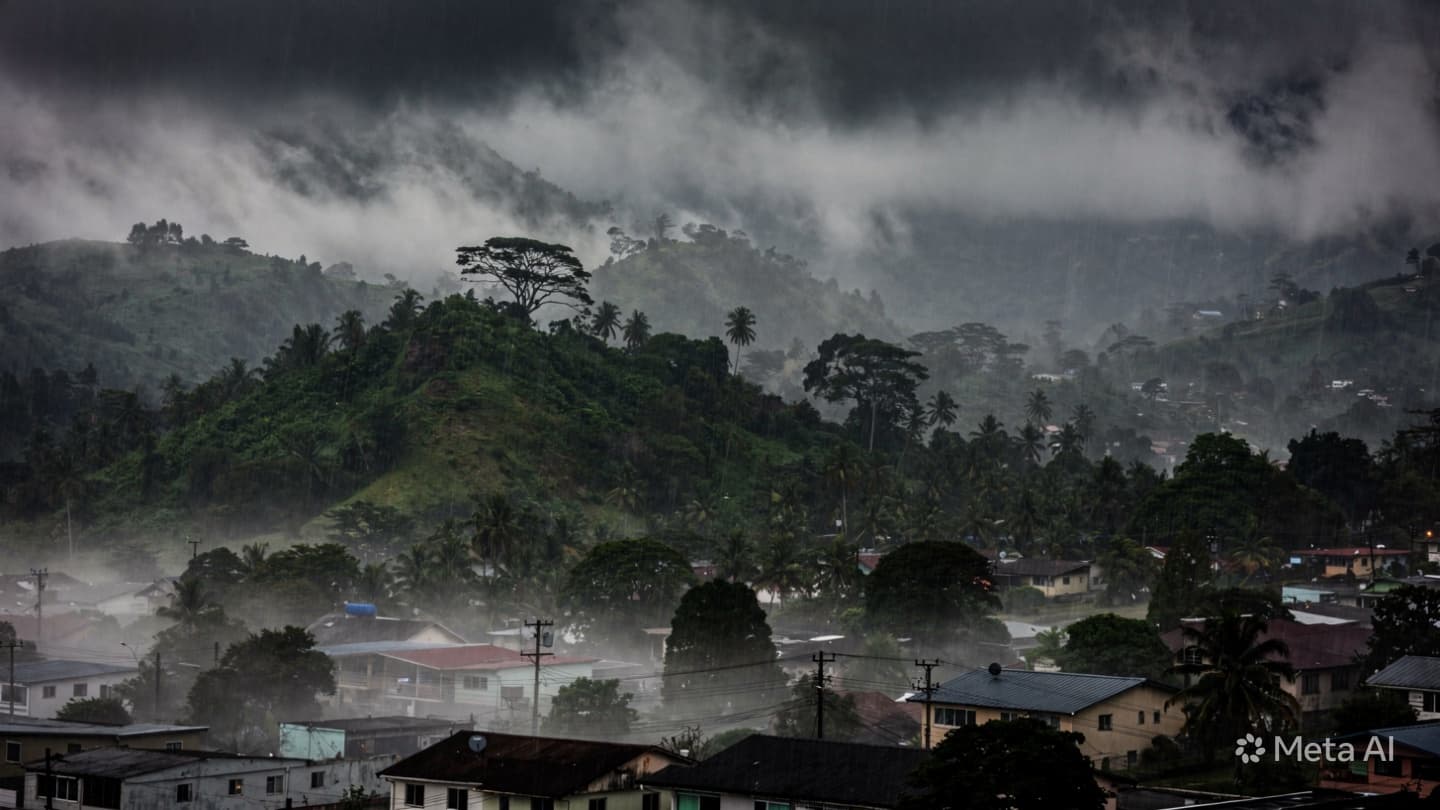
Heavy rainfall in Rio de Janeiro has once again highlighted the precarious balance between urban development and natural forces. The city, nestled between mountains and the Atlantic Ocean, is prone to intense weather patterns that can lead to devastating consequences. Recently, a sudden downpour overwhelmed the hillside communities, resulting in flash flooding and the collapse of a retaining wall, which has raised concerns about the structural integrity of the area.
The torrential rain began with a steady rhythm, quickly escalating into a deluge that transformed the streets into rivers. In the favelas, where homes are built closely together on steep slopes, the rainwater surged down narrow alleys, gathering speed and force. The saturated soil, unable to absorb any more moisture, became unstable, leading to a catastrophic failure of a retaining wall that had stood for years. This wall, designed to hold back the earth, succumbed to the immense hydro-static pressure, collapsing and sending debris cascading downwards.
As the wall crumbled, three residents found themselves in the path of the rushing water and debris. Fortunately, they sustained only non-life-threatening injuries and were promptly treated at a nearby municipal hospital. This incident serves as a stark reminder of the vulnerabilities faced by those living in Rio's hillside communities, where the interplay of urban infrastructure and natural elements can have dire consequences.
In the immediate aftermath, neighbors came together to assist those affected by the disaster. Armed with handheld lanterns, they navigated the treacherous conditions to ensure everyone was accounted for and to help clear the debris. The local civil defense units arrived shortly after, their presence providing a sense of security amid the chaos. Their bright uniforms stood out against the grey backdrop of the rain-soaked landscape as they worked to secure the area and assess the damage.
The vulnerability of Rio's favelas to extreme weather events is not a new issue. Over the years, the city has faced numerous challenges related to urban planning and infrastructure. As climate change continues to exacerbate weather patterns, the risks associated with heavy rainfall and flooding are likely to increase. Experts emphasize the urgent need for improved drainage systems and slope stabilization measures in high-risk areas to protect residents from future disasters.
By the following morning, the rain had subsided, leaving behind a mist that hung over the mountains. The streets, now quiet, bore the scars of the previous night's chaos. Residents began the laborious task of clearing mud and debris from their homes, a routine they have become all too familiar with during the rainy season. The community's resilience shone through as they worked together to restore normalcy in the aftermath of the storm.
According to statements from municipal emergency services, the localized flash flood and wall collapse serve as a critical reminder of the ongoing challenges faced by Rio de Janeiro's hillside communities. As engineers continue to evaluate the stability of the remaining structures, the need for proactive measures to safeguard these vulnerable areas has never been more apparent.
Published by Banx Network. This article is part of the Banx decentralized media programme, powered by the BXE token on the XRP Ledger.



