
Key Highlights
- Emirates Airlines has barred Iranian nationals from entering or transiting through the UAE.
- The decision reflects rising geopolitical tensions in the region.
- The travel ban impacts connections through Dubai, a major international hub.
The world of air travel has always been a tapestry of connections, weaving together diverse cultures and communities. However, recent developments have highlighted how quickly these connections can fray. Emirates Airlines, the flagship carrier of the United Arab Emirates, has announced that Iranian nationals are currently prohibited from entering or transiting through the UAE. This policy shift, communicated through operational updates, underscores the growing geopolitical tensions in the region.
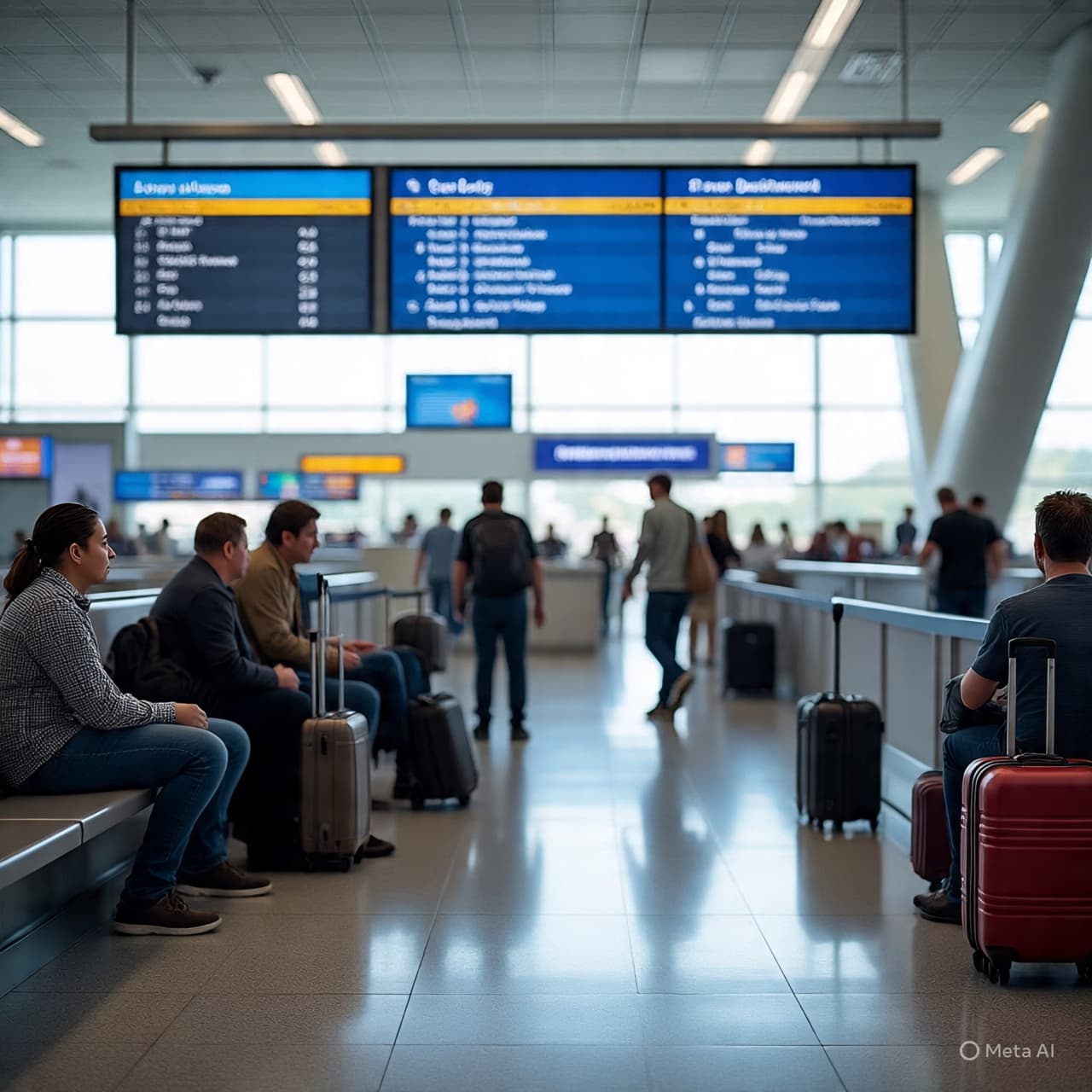
For travelers, this restriction is not just a bureaucratic hurdle; it represents a significant disruption to their plans. Airports, typically bustling with anticipation, now become sites of uncertainty for those holding Iranian passports. The UAE has long been a vital transit point for international travelers, particularly between East and West. With this new policy, the flow of passengers through Dubai is likely to be affected, creating ripples across global travel networks.
The announcement from Emirates Airlines does not exist in isolation. It is part of a broader context of increasing geopolitical strain, where decisions made in one area can have far-reaching consequences. Aviation, while primarily a commercial enterprise, often reflects the underlying currents of diplomacy and security. This travel ban is emblematic of a cautious approach to managing risk in an increasingly uncertain world.
The human impact of such travel restrictions cannot be overstated. For many, the ability to travel is tied to personal milestones—family reunions, business opportunities, and life events. The sudden absence of movement serves as a stark reminder of how closely mobility is linked to international relations. The implications extend beyond mere inconvenience; they touch on the very fabric of human connection.
Moreover, this situation is not unprecedented. History shows that during periods of heightened tension, states often implement precautionary measures that affect travel and commerce. Airlines, positioned at the crossroads of global movement and national policy, frequently act as early indicators of these shifts. Their operational decisions can signal deeper concerns about security and stability in the region.
As the situation continues to evolve, aviation authorities and airlines are closely monitoring developments. The current restriction on Iranian nationals is described as a temporary measure, with no specified end date. Officials have indicated that the policy will be reassessed in light of ongoing security evaluations and regional dynamics. For now, the travel landscape remains in flux, reflecting the complexities of international relations in a rapidly changing world.
In summary, Emirates Airlines' decision to bar Iranian nationals from entering or transiting through the UAE highlights the intricate relationship between travel and geopolitics. As travelers navigate these new restrictions, the broader implications for connectivity and human interaction remain a pressing concern.
Published by Banx Network. This article is part of the Banx decentralized media programme, powered by the BXE token on the XRP Ledger.



