Singapore's economic landscape has always been shaped by movement. Ships cross its waters, goods pass through its port, capital moves through its financial institutions, and increasingly, enormous quantities of data flow through its technology infrastructure.
That combination has helped the city-state benefit from the latest global technology investment cycle. Singapore raised its 2026 growth forecast after second-quarter GDP expanded 5.9% year-on-year.
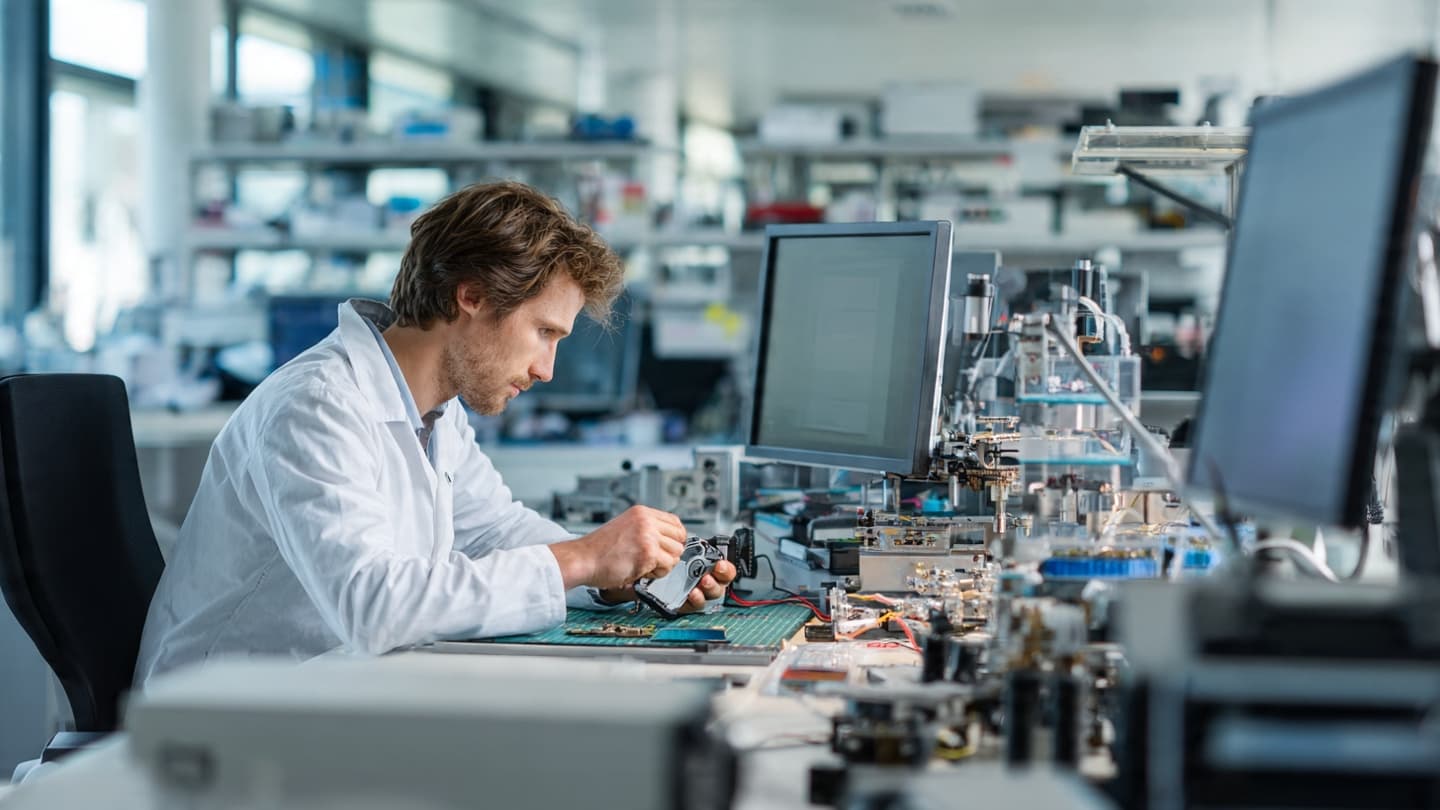
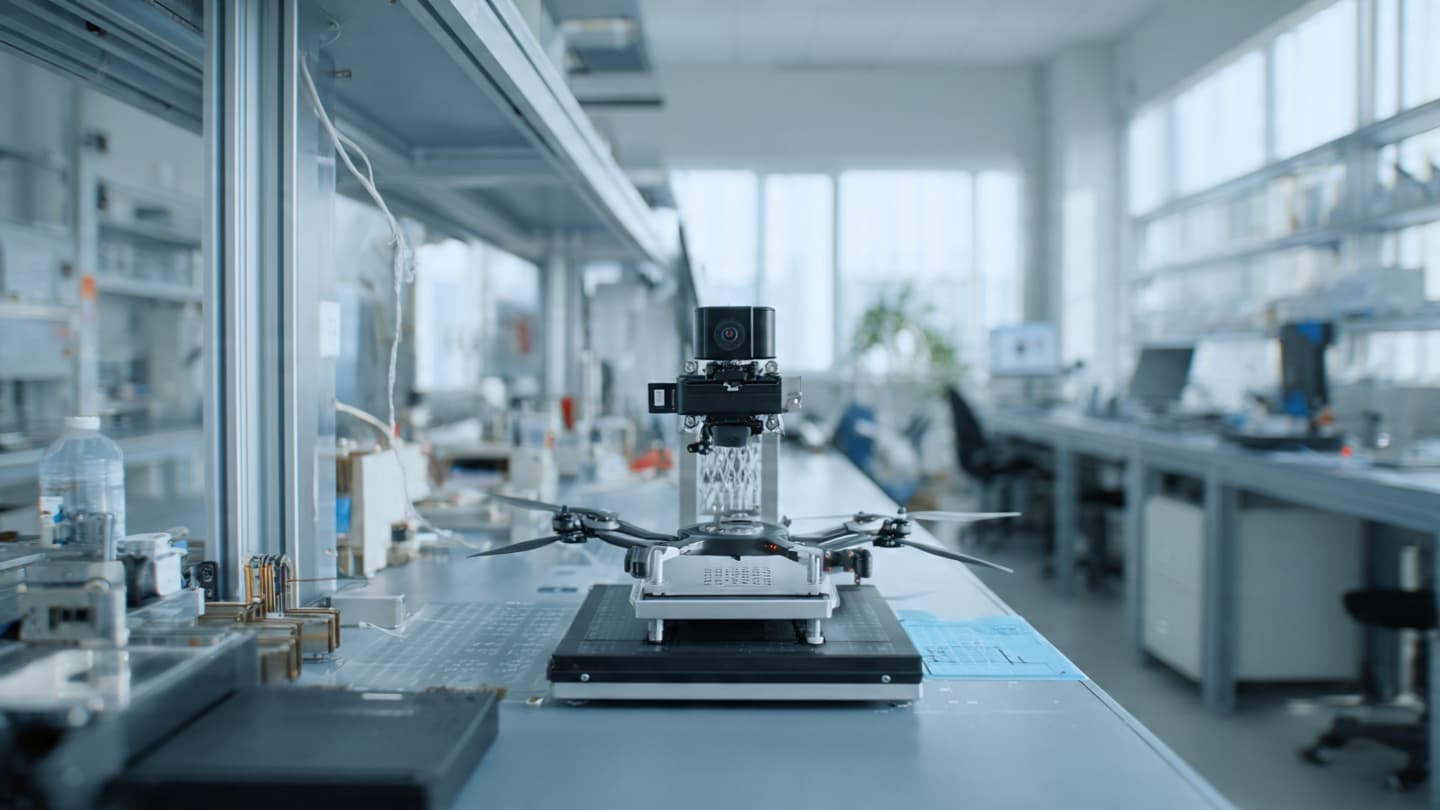
The stronger performance was linked in part to rising global demand associated with artificial intelligence. Semiconductor production and advanced electronics remain important components of Singapore's manufacturing base, connecting the island to technology supply chains around the world.
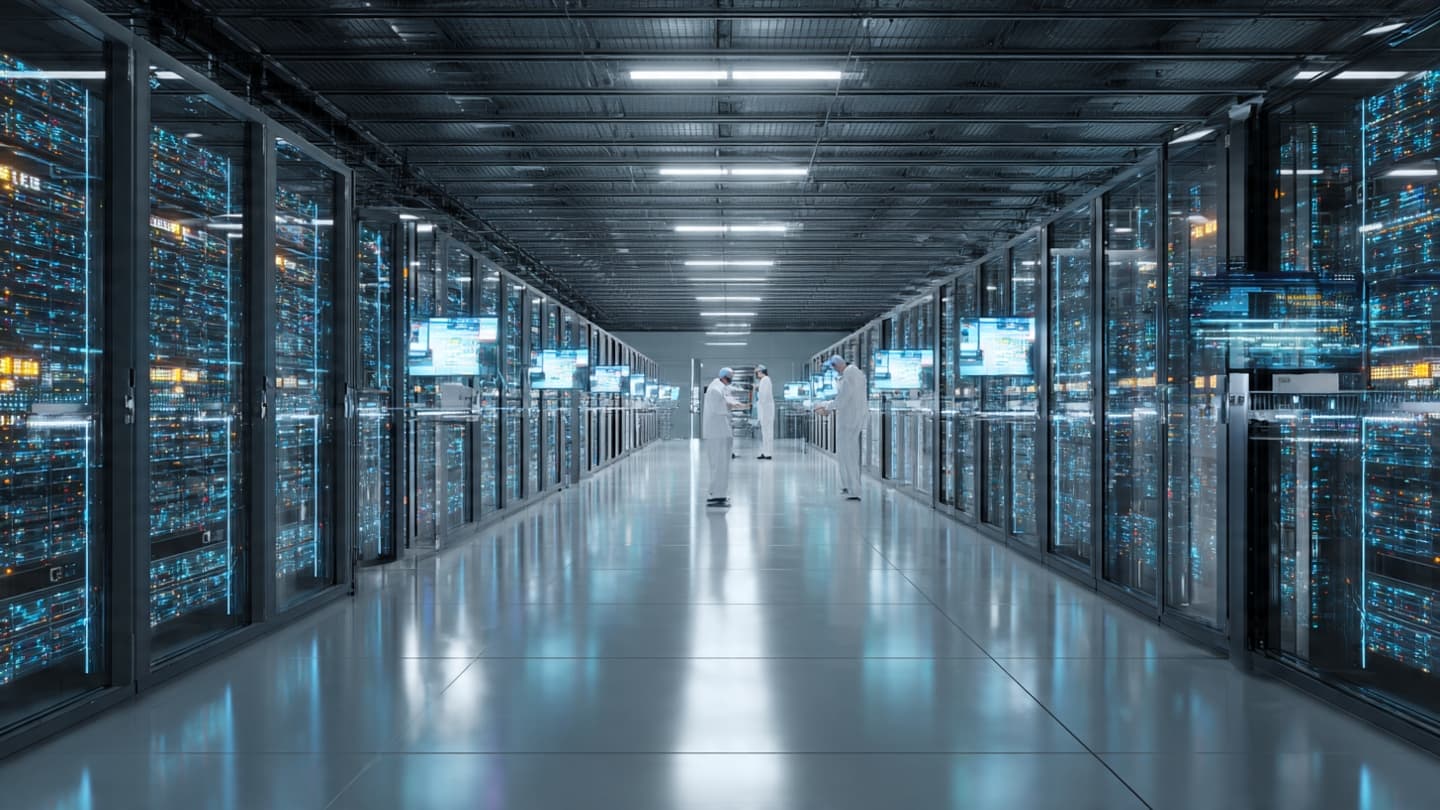
The AI boom has created demand for much more than processors. Data centers require servers, cooling systems, electricity, networking infrastructure, and secure connections, turning digital growth into a physical infrastructure story.
Singapore has become an important location for that activity because of its established telecommunications networks, financial system, skilled workforce, and position at the crossroads of Asian trade.
Its port provides another source of economic strength. Singapore's maritime infrastructure connects manufacturing centers and consumer markets throughout Asia, allowing physical goods to move alongside the digital services increasingly supporting international commerce.
Financial services add another layer. Banks, insurers, investment managers, and multinational companies use Singapore as a regional base, creating connections between technology investment and financial capital.
But growth also brings constraints. Data centers consume substantial amounts of electricity and require significant physical infrastructure, meaning expansion must be balanced with available resources and environmental considerations.
Singapore's dependence on international trade creates another variable. The economy benefits when global demand is strong, but manufacturing and exports can respond quickly when major markets slow.
For now, the technology cycle is providing an important source of momentum. Companies around the world continue investing in AI systems, creating demand that reaches factories, logistics providers, financial institutions, and infrastructure operators.
The country's latest growth forecast therefore reflects more than one successful quarter. It illustrates how Singapore's traditional strengths in trade and finance are increasingly meeting the newer forces of computing and artificial intelligence.
As 2026 progresses, the island's economic rhythm will continue to be shaped by those two worlds. Cargo ships and data streams may travel through different channels, but both are helping define Singapore's place in the regional economy.
AI Image Disclaimer The illustrations were created with AI tools as conceptual representations of Singapore’s technology and economic activity, not as real photographs.
Sources Reuters Singapore Ministry of Trade and Industry Monetary Authority of Singapore
Published by Banx Network. This article is part of the Banx decentralized media programme, powered by the BXE token on the XRP Ledger.