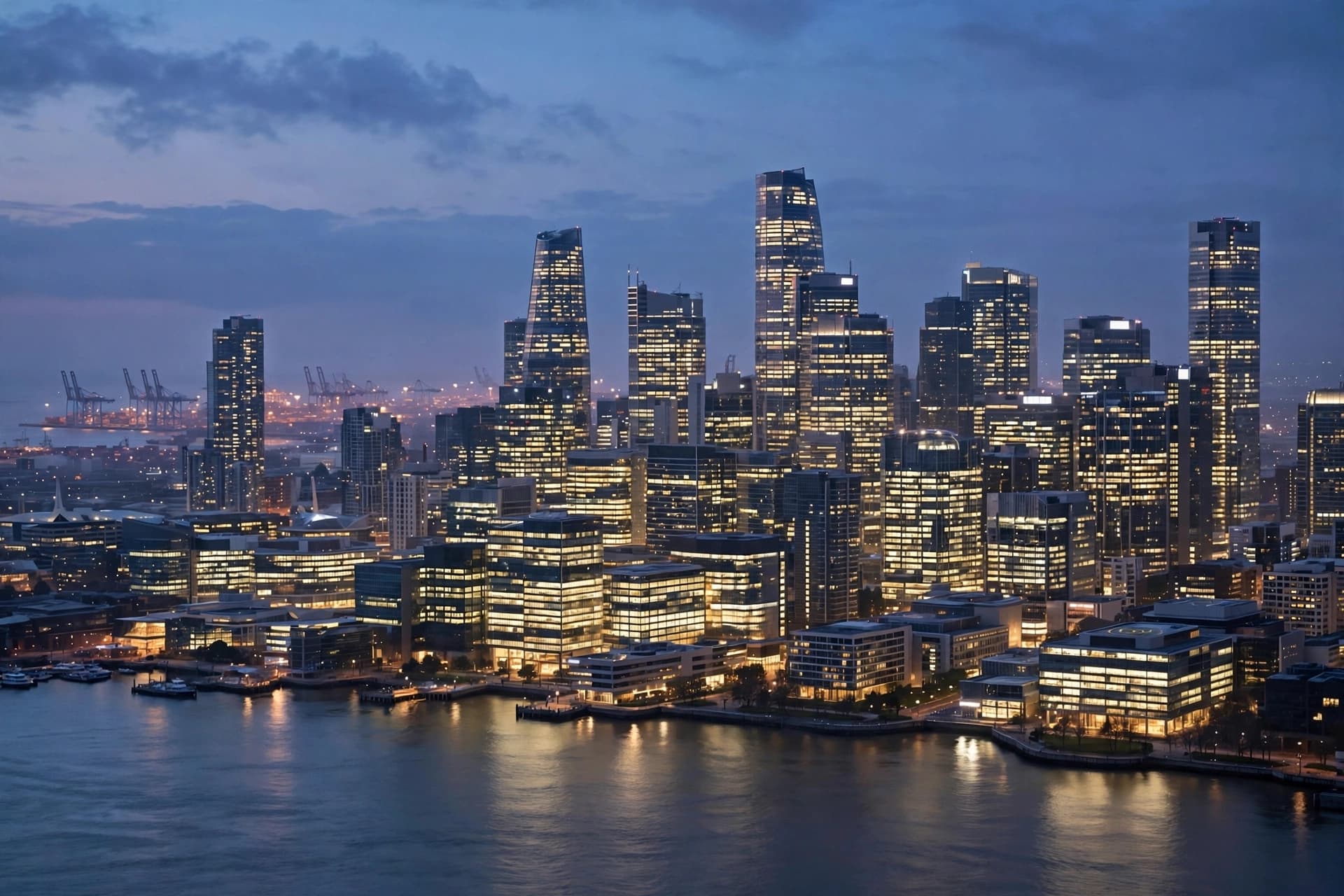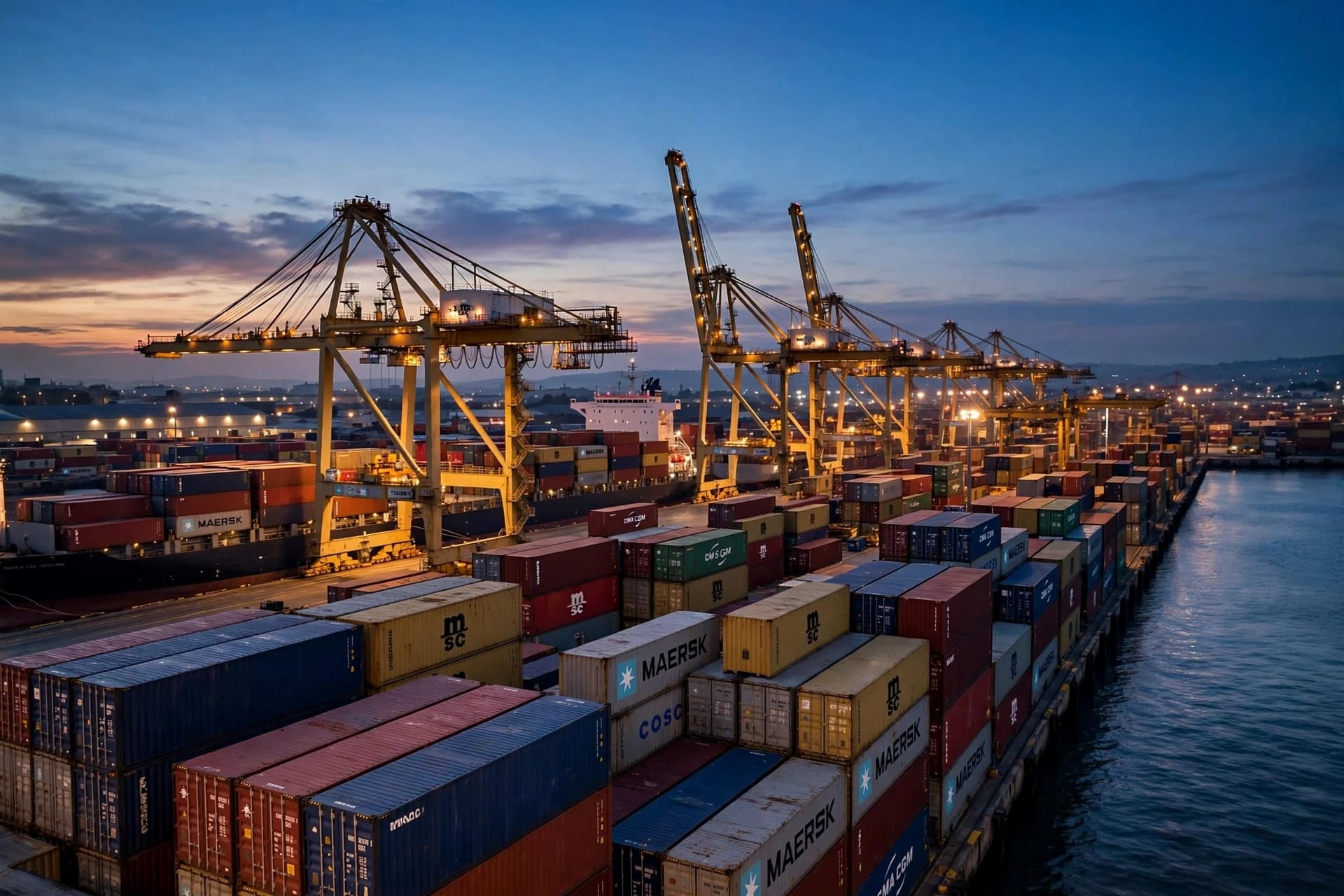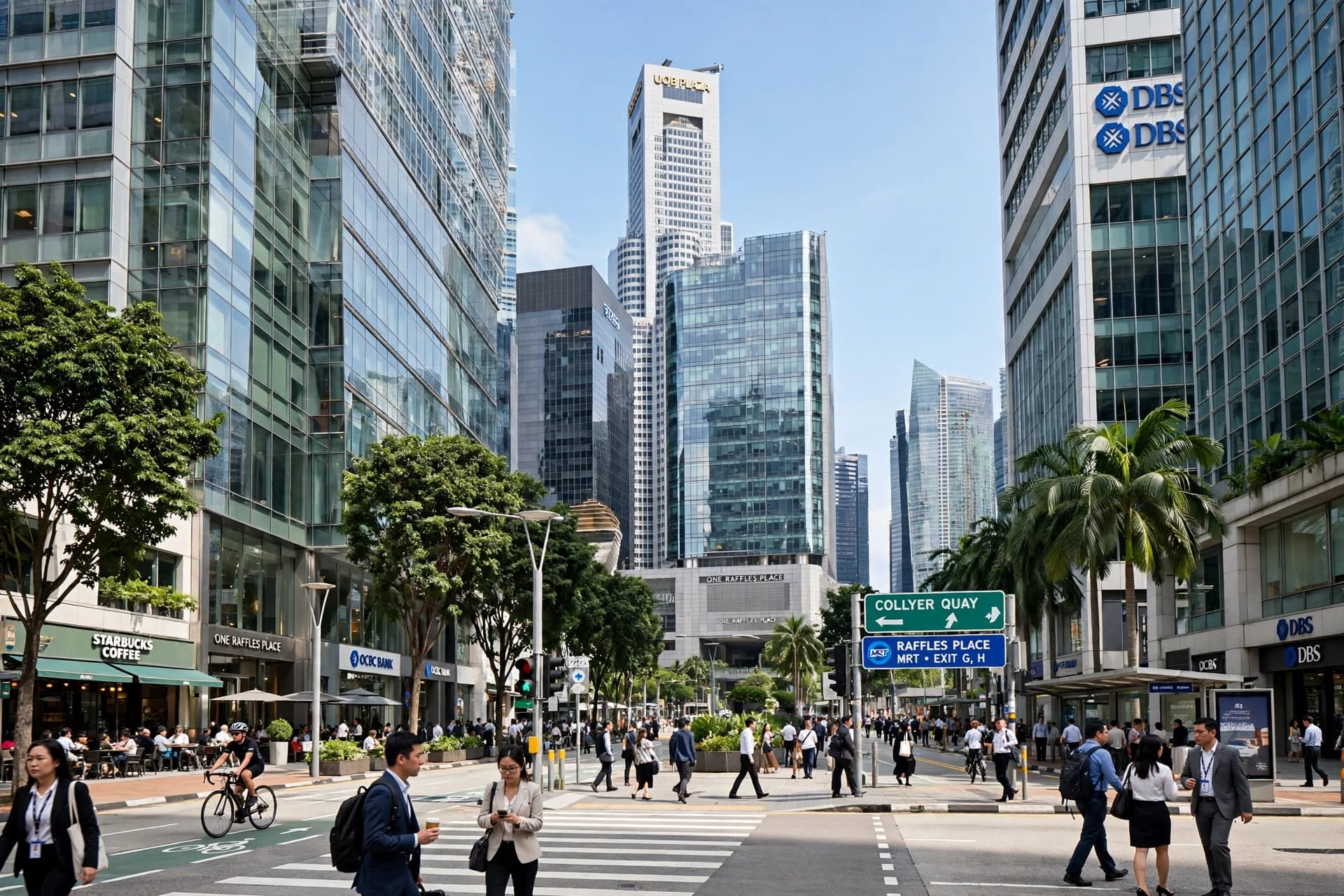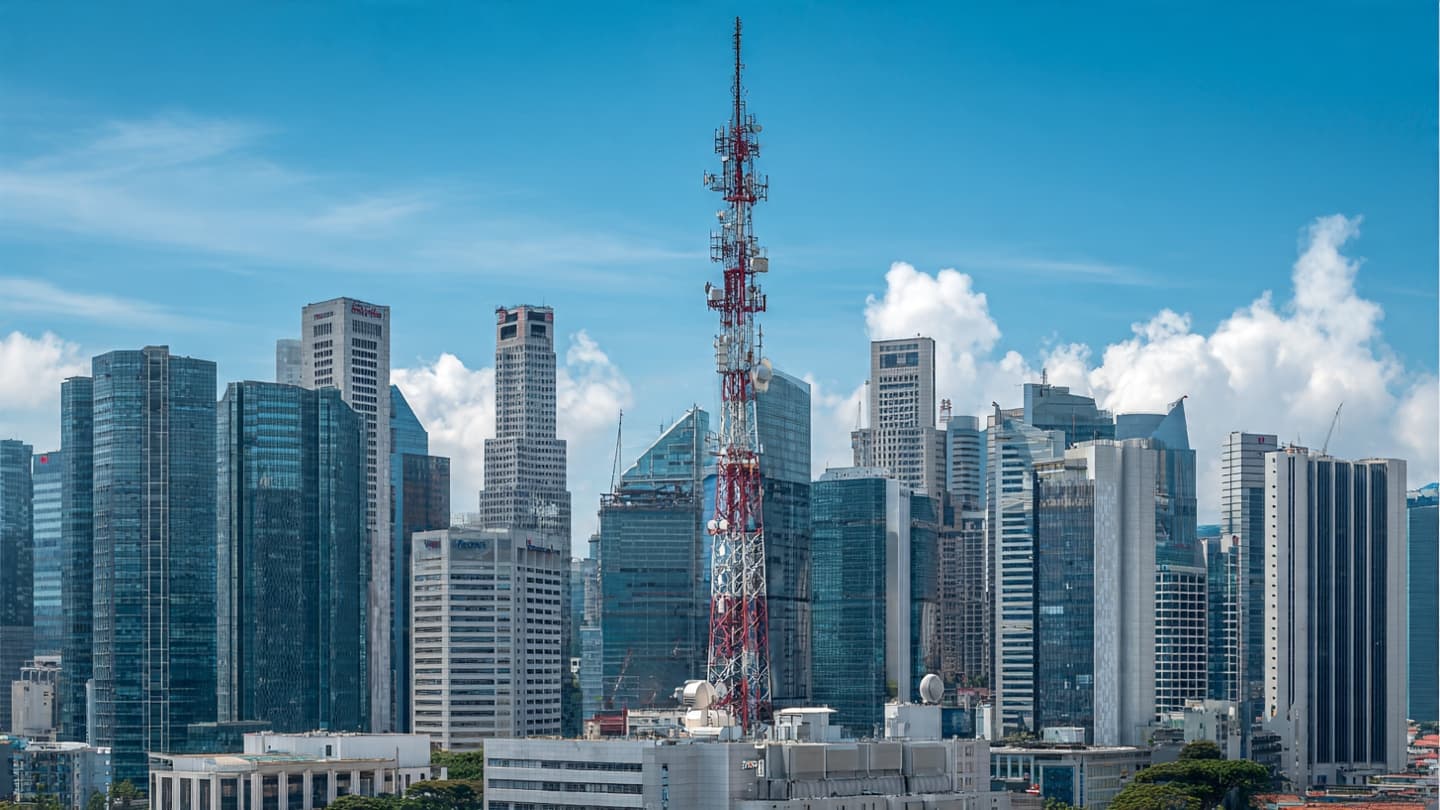
Singapore's skyline is often described through its buildings, ports and roads, yet another landscape is constantly moving beneath them: data, capital and information. In 2026, that invisible economy has gained strength as the global investment cycle surrounding artificial intelligence creates new demand across the island.
Singapore raised its forecast for economic growth in 2026 after stronger-than-expected activity during the first half of the year. The government said a robust global artificial-intelligence investment boom and a milder impact from the Middle East conflict were among the factors supporting expectations for the second half.
The AI investment cycle reaches Singapore through several channels. Technology companies require data centers, semiconductor-related services, cloud infrastructure and specialized equipment, while businesses in other sectors increasingly invest in digital systems to improve productivity.
The city-state's position as a regional business and technology hub gives it an unusual place within that movement. Singapore does not need to manufacture every component of an AI system to benefit from the expansion. Its role in finance, logistics, telecommunications and regional headquarters activity allows multiple parts of the technology economy to pass through the island.
Data centers are particularly important. Artificial intelligence requires computing infrastructure capable of handling enormous quantities of information, and Singapore has developed into one of Asia's significant locations for data-center investment.
That growth, however, creates its own requirements. Data centers consume electricity and require cooling, making energy efficiency and infrastructure planning increasingly important. The expansion of digital services therefore becomes connected with questions that once belonged mainly to the energy sector.
The country's broader economy also benefits when technology investment creates demand for professional services, construction, engineering and logistics. A new digital facility can generate activity far beyond the walls of the building where servers are installed.
Singapore's trade-dependent economy remains sensitive to global conditions, however. International demand, energy costs and disruptions to major trading routes can influence activity quickly. The stronger outlook therefore exists alongside an external environment that remains difficult to predict.
The AI boom also raises a longer-term question about productivity. If businesses can use artificial intelligence to automate repetitive work, analyze information more efficiently or develop new services, the technology could gradually change how economic output is produced.
For Singapore, the opportunity is closely tied to its ability to connect technology with the country's existing strengths. Finance, logistics, manufacturing, research and digital services are increasingly overlapping, creating an economic landscape in which computing is becoming part of almost every major sector.
The revised outlook therefore tells only part of the story. Beneath Singapore's economic numbers lies a broader transformation, with artificial intelligence and digital investment creating new flows of capital, electricity, data and business activity across an already highly connected economy.
AI Image Disclaimer The illustrations accompanying this article were generated using AI tools and are intended solely as conceptual visualizations of Singapore's digital economy.
Sources Reuters Ministry of Trade and Industry Singapore Monetary Authority of Singapore Enterprise Singapore IMDA
Published by Banx Network. This article is part of the Banx decentralized media programme, powered by the BXE token on the XRP Ledger.