Singapore is a place where physical trade and digital commerce meet within a remarkably small space. Container ships arrive at one edge of the island while servers, financial systems, and technology companies operate across its business districts.
That combination has helped the city-state benefit from the latest global technology cycle. Singapore raised its 2026 economic growth forecast after the economy expanded 5.9% year-on-year in the second quarter.
The stronger performance reflects an important role played by technology demand. Global spending on artificial intelligence and advanced computing has increased demand for semiconductors, electronics, data centers, and related infrastructure.
Singapore is positioned within many of those supply chains. Its economy has long relied on advanced manufacturing and electronics, making the global semiconductor cycle particularly significant.
The country's port and logistics infrastructure adds another layer. Goods entering and leaving Southeast Asia can move through Singapore before continuing toward other markets, linking physical trade with the digital economy.
Financial services provide another source of resilience. Singapore remains an important regional center for banking, investment management, insurance, and corporate finance, connecting Asian businesses with international capital.
The AI boom has also created demand for infrastructure. Data centers require substantial electricity, cooling systems, connectivity, and specialized equipment, creating opportunities for businesses while also increasing pressure on the country's limited resources.
For Singapore, the challenge is therefore not simply to benefit from technology growth but to manage the physical requirements that come with it. Land, energy, and infrastructure must all support the expansion.
The broader global economy also matters. Singapore is highly dependent on international trade, meaning weaker demand in major economies can affect manufacturing and exports relatively quickly.
But the latest growth figures provide a stronger starting point for the second half of the year. Technology investment has become an important source of momentum at a time when other parts of the global economy remain more uncertain.
As Singapore moves through 2026, its economic story increasingly reflects the intersection of two worlds: the traditional movement of ships, goods, and capital, and the newer movement of data, computing power, and artificial intelligence.
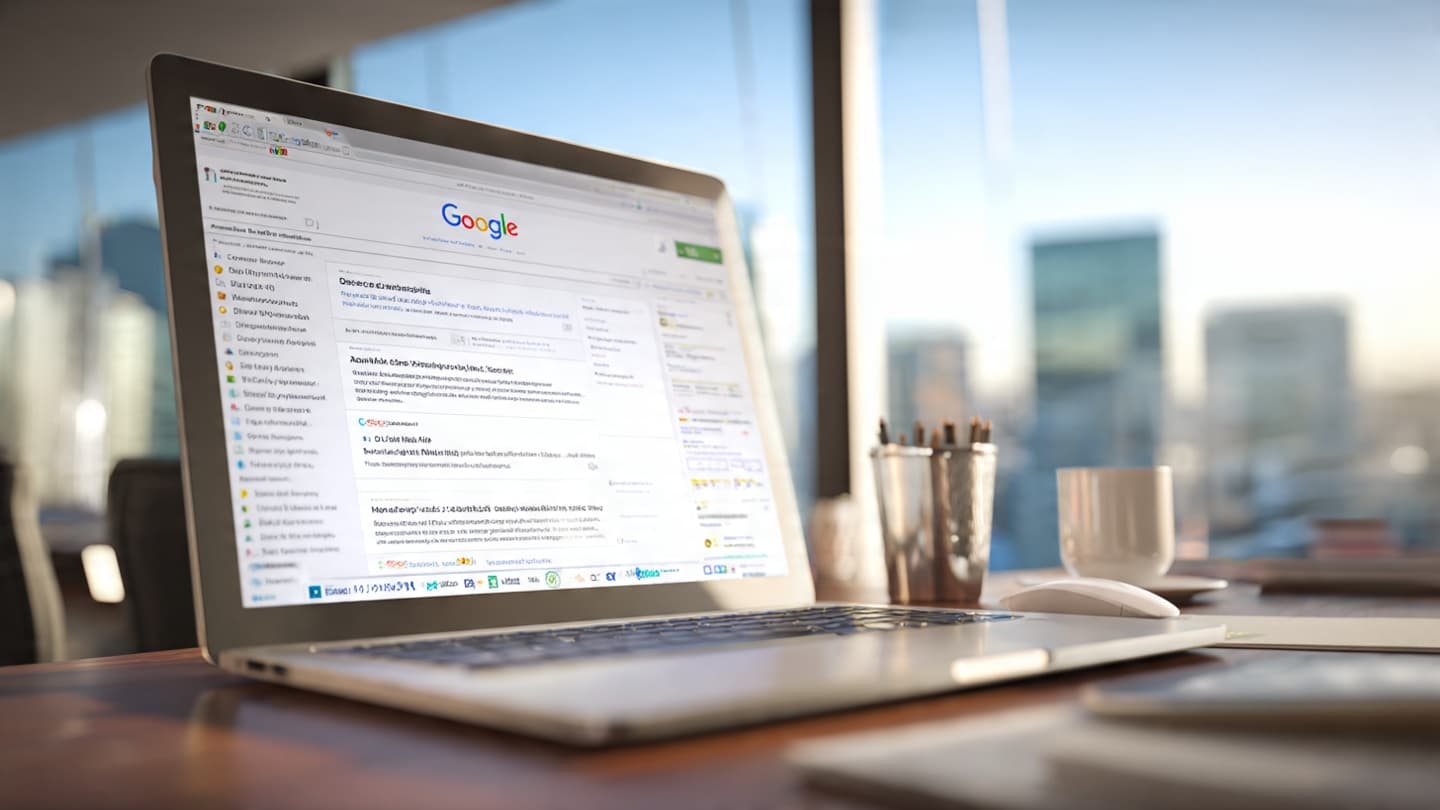
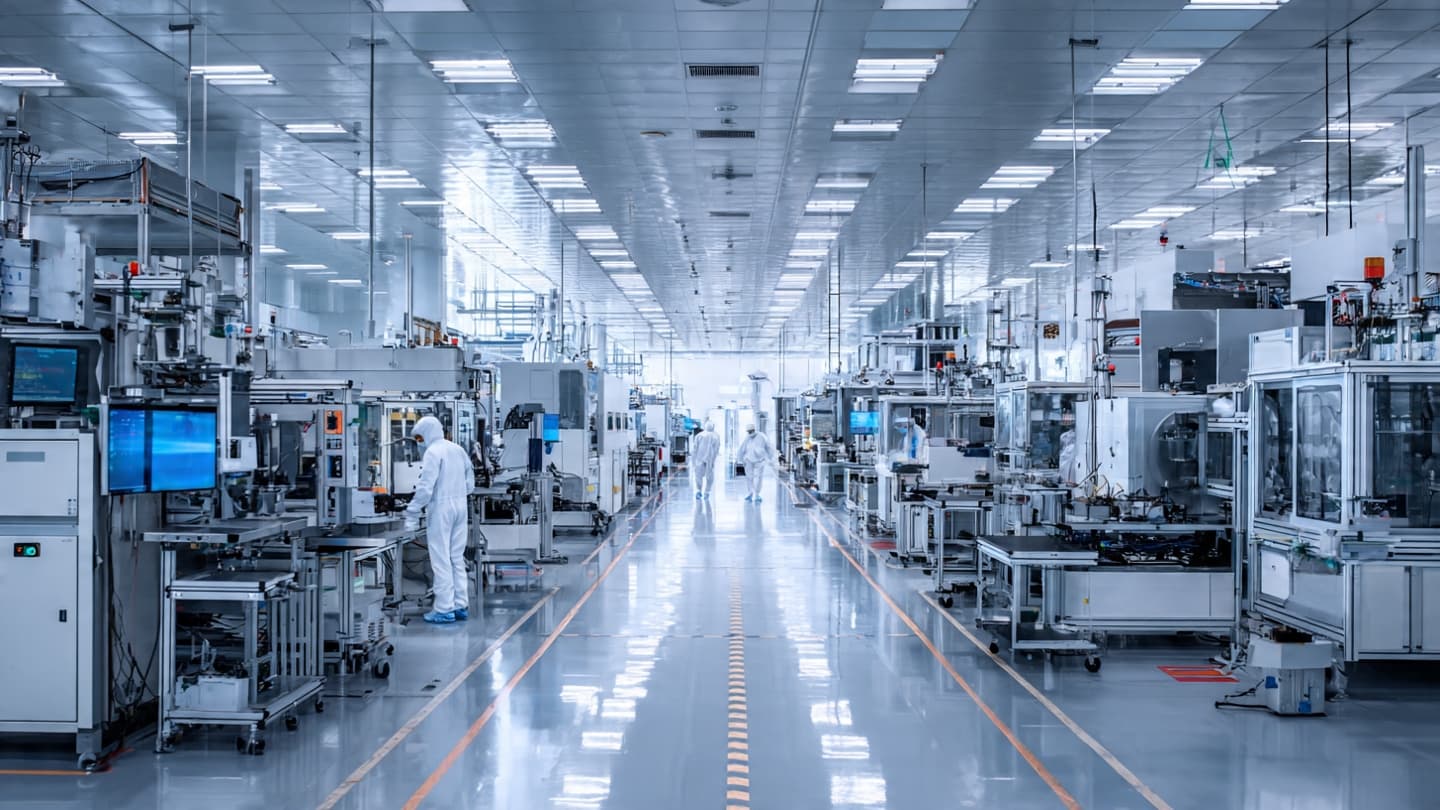
AI Image Disclaimer These visuals were created using AI tools as conceptual representations of Singapore’s technology-driven economy and are not photographs of actual facilities.
Sources Reuters Singapore Ministry of Trade and Industry Monetary Authority of Singapore
Published by Banx Network. This article is part of the Banx decentralized media programme, powered by the BXE token on the XRP Ledger.