In the quiet expanse between stars, where time stretches and matter drifts in silent choreography, humanity has long sought ways to understand the universe not only as it is, but as it unfolds. Like cartographers sketching unseen continents, astronomers now turn to simulations—vast, intricate models that echo the cosmos itself—to trace the story written across billions of years.
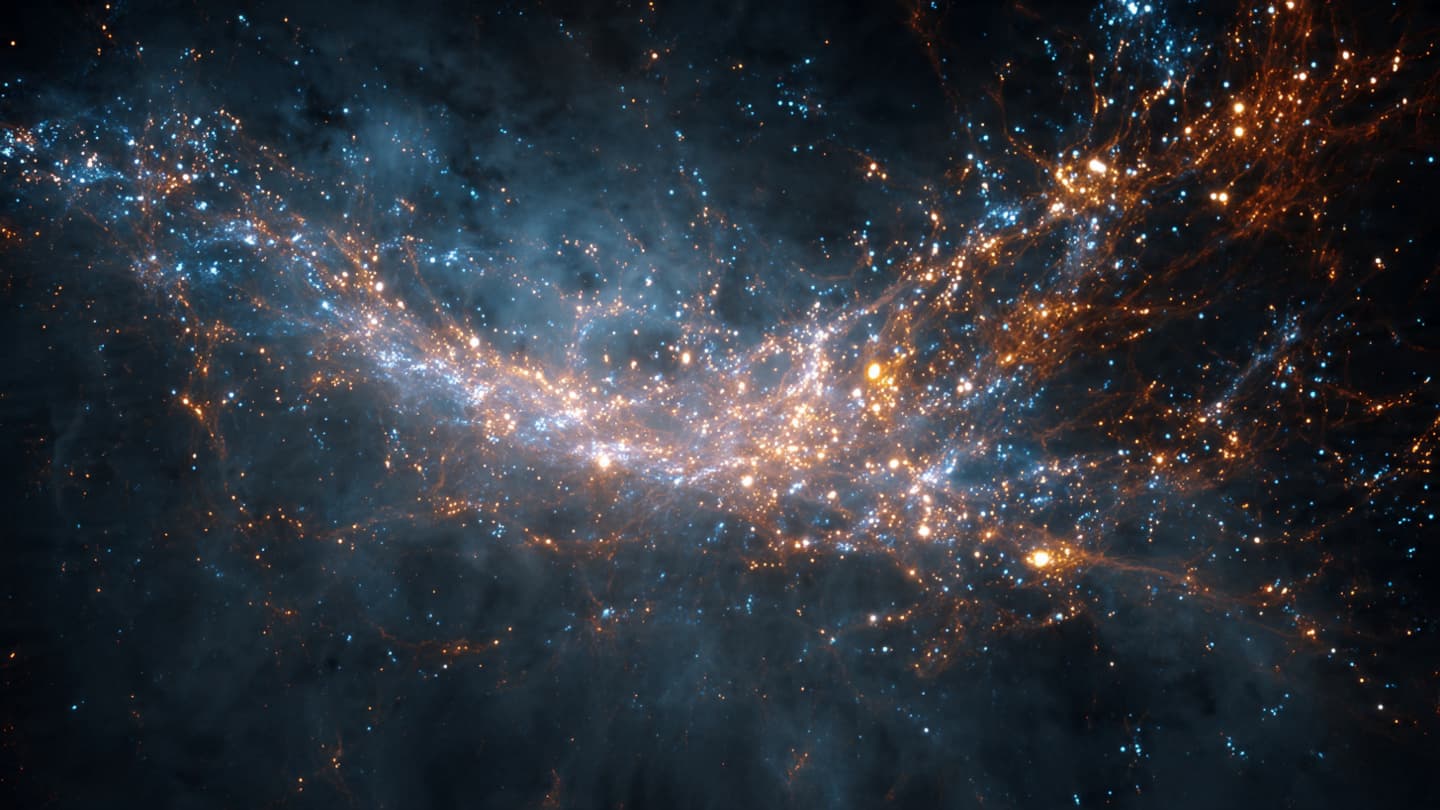
A newly unveiled cosmic simulation dataset marks a significant step forward in that pursuit, offering researchers an expansive digital universe to explore. Developed through international collaboration, the dataset captures the evolution of galaxies, dark matter, and cosmic structures with unprecedented scale and resolution.
The simulation integrates complex physical processes, from gravitational interactions to the behavior of gas and radiation, enabling scientists to test theories against a controlled yet realistic framework. It serves as both a laboratory and a map, allowing researchers to revisit cosmic history and examine how galaxies form, merge, and transform over time.
Such datasets are not merely visual representations; they are grounded in observational data collected from telescopes and space missions. By aligning simulation outputs with real-world measurements, astronomers refine their understanding of the universe’s composition and dynamics.
The release also reflects a broader trend toward open science. By making the dataset accessible to the global research community, the project encourages collaboration across institutions and disciplines. Students, early-career researchers, and seasoned astronomers alike can engage with the same expansive resource.
Technological advancements in computing have played a crucial role in making this possible. High-performance systems process immense volumes of data, translating mathematical equations into detailed cosmic landscapes that can be studied from multiple angles.
Beyond academic research, such simulations often find relevance in education and public outreach. They provide a bridge between abstract theory and tangible visualization, helping audiences grasp the scale and complexity of the universe.
The dataset may also support future discoveries, offering a testing ground for new hypotheses about dark matter, dark energy, and the large-scale structure of the cosmos.
As astronomers continue to refine these digital universes, each dataset becomes a stepping stone toward deeper clarity, expanding not only what is known but how it is explored.
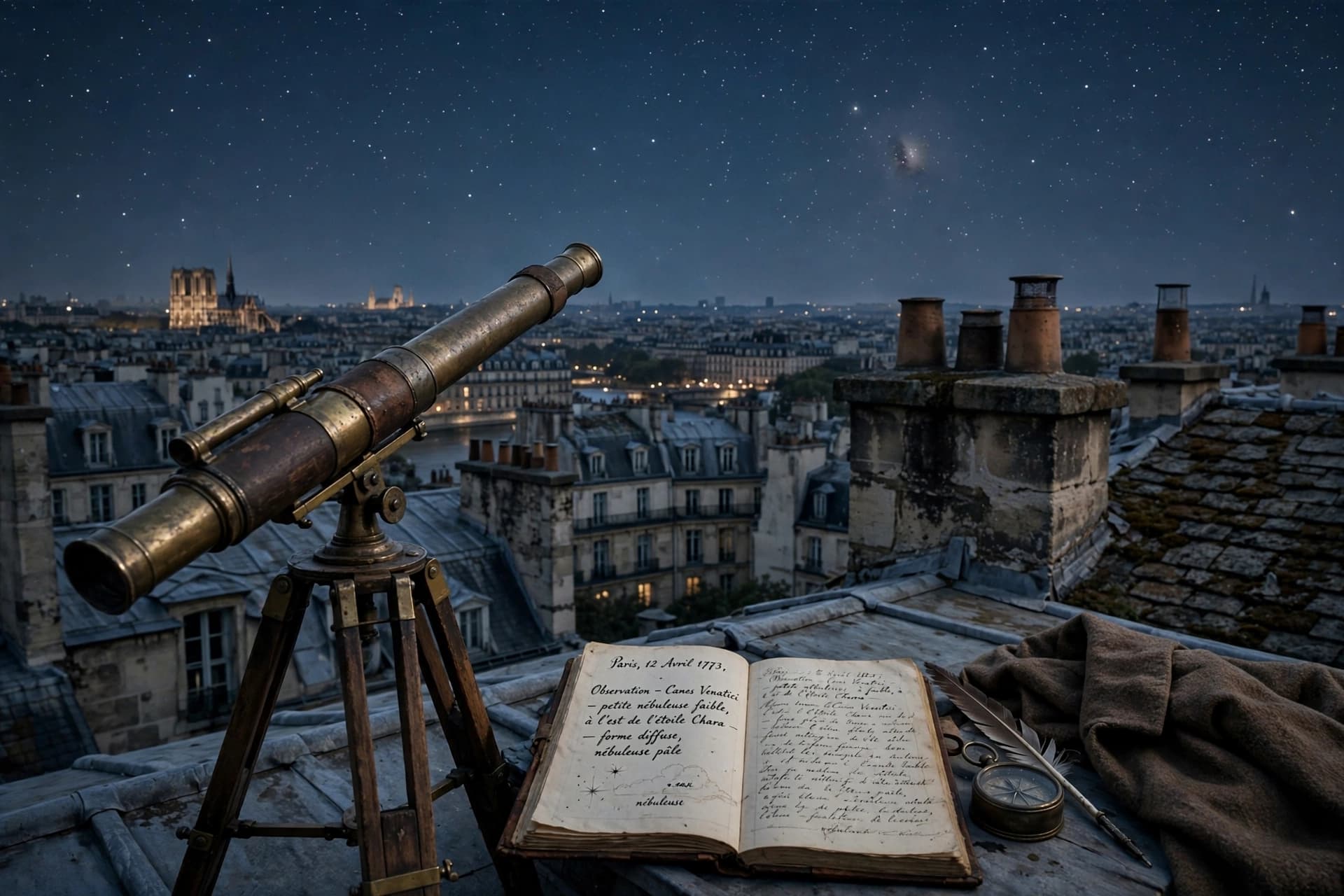
AI Image Disclaimer: Some images accompanying this article are AI-generated to illustrate cosmic simulation concepts.
Sources: Nature, NASA, European Space Agency, Science Magazine
Published by Banx Network. This article is part of the Banx decentralized media programme, powered by the BXE token on the XRP Ledger.