

Key Highlights
- Date of Incident:Recent missile strikes occurred on Saturday.
- Affected Cities:Major Gulf cities including Abu Dhabi, Dubai, Doha, and Manama.
- Civilian Impact:Reports of panic, evacuations, and one civilian casualty in Abu Dhabi.
On a seemingly ordinary Saturday, residents across several Gulf cities were jolted from their routine by the sudden arrival of missiles, transforming serene skies into scenes of chaos. The tranquility that characterized these urban centers was shattered as air defense systems activated, intercepting projectiles and sending debris crashing down, prompting widespread panic and confusion.
In Abu Dhabi, the missile strikes disrupted the usual calm of the city. Golfers on the green found themselves torn between finishing their game and seeking shelter as loud explosions echoed through the air. “It was surreal,” one resident noted, recalling the moment when the sky lit up with flashes of light and the sound of thuds reverberated through high-rise buildings.
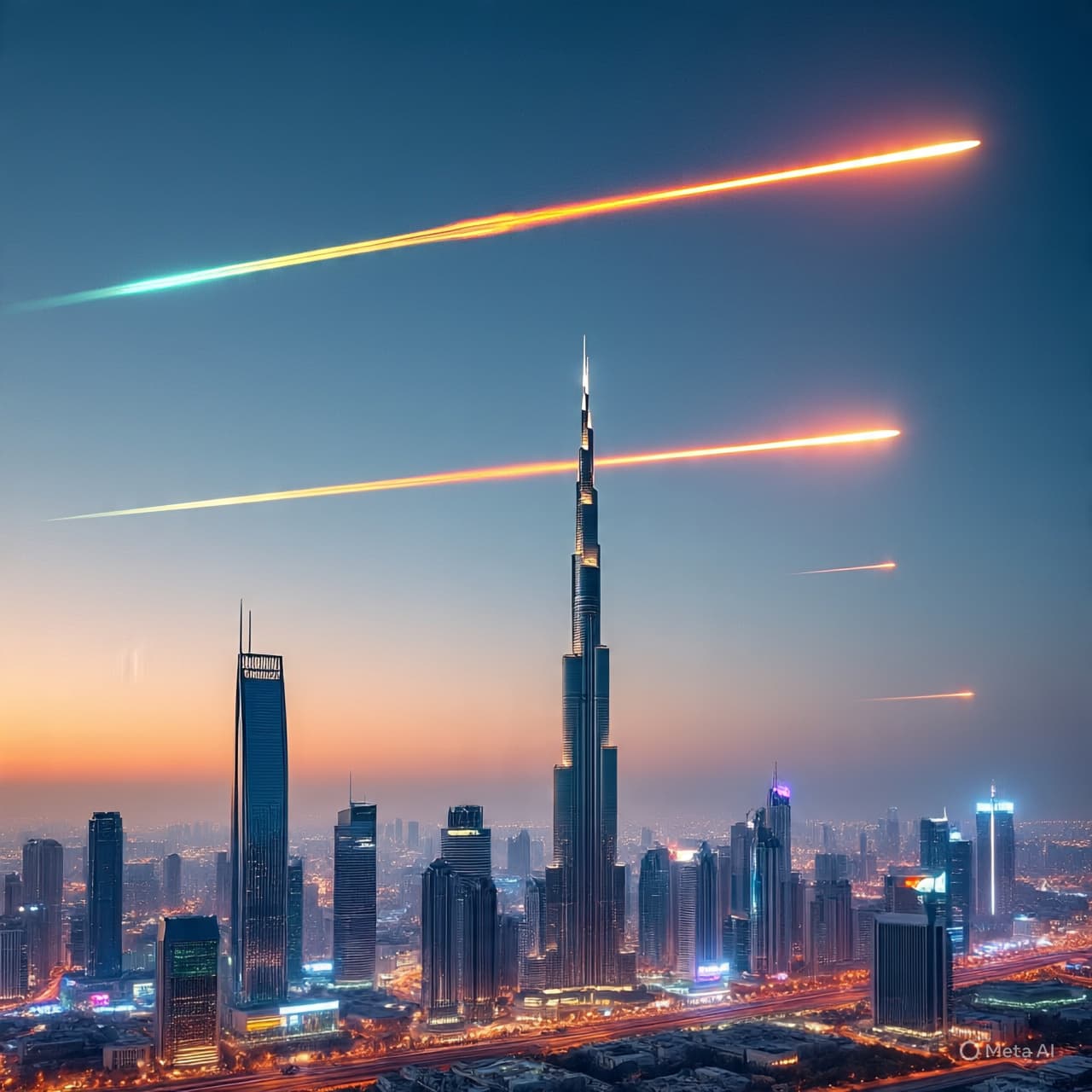
Dubai, known for its iconic skyline and bustling tourism, was not spared from the chaos. Eyewitnesses reported watching missile trails in the sky, their disbelief palpable as they witnessed the transformation of their city into a scene of military engagement. “It was a rumble and then a bang,” described a local, capturing the shock that rippled through the community.
In Doha, the situation escalated dramatically when a missile reportedly struck a residential area, resulting in a fireball that sent residents fleeing in panic. The sight of flames and destruction was a stark reminder of the region's vulnerability, challenging the long-held perception of safety in these Gulf cities. Many residents, both locals and expatriates, were left questioning their sense of security in a place they had considered a haven.
The urgency of the situation was particularly evident in Manama, Bahrain, where the Juffair district, home to the US Navy’s Fifth Fleet base, was directly impacted. Evacuations were organized as loud blasts echoed through the streets, leaving students and families in a state of fear and confusion. “We didn’t know what to do,” recounted a young visitor, her voice trembling as she described the chaos.
As air defense systems across the Gulf were activated, the effectiveness of these measures varied. While many missiles were intercepted, debris from these interceptions fell into populated areas, leading to at least one reported civilian casualty in Abu Dhabi. This incident underscored the risks associated with such military engagements, even in cities that have long enjoyed a reputation for stability.
The repercussions of the missile strikes extended beyond the immediate areas of impact. In cities like Riyadh, residents felt the tremors of distant explosions, prompting families to seek shelter and share worried glances with one another. The sudden disruption of daily life served as a stark reminder of the fragility of peace in a region often characterized by its prosperity and calm.
As the day drew to a close and air defense activity subsided, authorities urged residents to remain vigilant and informed. The events of that Saturday will likely linger in the memories of those who experienced them, reshaping their understanding of safety and normalcy in a world where conflict can suddenly intrude upon even the most tranquil settings.
Published by Banx Network. This article is part of the Banx decentralized media programme, powered by the BXE token on the XRP Ledger.




