
In times of prolonged tension, change rarely announces itself loudly. It moves instead in quiet conversations, in pauses between words, in the subtle reshaping of long-held beliefs. In Lebanon, where history and identity are deeply interwoven, the ongoing conflict has begun to reveal such shifts—particularly within the country’s Shi’ite community, long regarded as a steadfast base of support for Hezbollah.
For decades, Hezbollah has occupied a central role not only as a political and military force, but as a symbol of resistance and protection for many Shi’ites in Lebanon. Its presence has been tied to narratives of defense, dignity, and survival, especially in the country’s southern regions where past conflicts have left lasting marks. Yet, as the current war stretches on, a more complex picture appears to be emerging.
Reports from various regions indicate a growing sense of fatigue among some members of the community. The economic strain—already severe due to Lebanon’s prolonged financial crisis—has been compounded by the uncertainties of conflict. Displacement, disrupted livelihoods, and concerns about escalation are shaping daily realities in ways that extend beyond political alignment.
This does not necessarily signal a broad or unified shift in sentiment. Support for Hezbollah remains significant, particularly among those who continue to view it as a necessary force in an unpredictable regional environment. However, within this landscape, there are indications of nuanced perspectives taking root—questions about cost, timing, and the broader implications of continued confrontation.
The voices expressing concern are not always public or organized. In many cases, they are personal, shared within families or local communities rather than through formal channels. This reflects both the sensitivity of the issue and the complexity of navigating identity and political expression in a deeply interconnected society. To question, in such a context, is not always to oppose—but rather to reflect on lived experience.
Economic hardship plays a notable role in this evolving dynamic. Lebanon’s financial collapse has affected nearly all sectors of society, but communities in conflict-prone areas often face compounded challenges. As resources become scarcer and infrastructure more strained, the immediate needs of daily life can bring new perspectives to longstanding political commitments.
At the same time, regional developments continue to influence local perceptions. The broader geopolitical context—marked by tensions involving Israel, Iran, and other actors—adds layers of uncertainty. For some, this reinforces the perceived necessity of maintaining strong defensive capabilities. For others, it raises concerns about the risks of further escalation and its impact on an already fragile country.
It is also important to recognize that communities are rarely monolithic. Within Lebanon’s Shi’ite population, as in any group, there exists a range of experiences, priorities, and viewpoints. The current moment seems to be illuminating this diversity more visibly, not as a rupture, but as a gradual unfolding of internal dialogue.
In quieter terms, what is unfolding may be less about division and more about recalibration—a reassessment shaped by changing circumstances rather than a definitive break from the past. Such processes are often slow, unfolding over time and influenced by both local realities and broader regional currents.
As the situation continues to evolve, observers note that these internal dynamics could play a role in shaping Lebanon’s political and social landscape in the months and years ahead. For now, the shifts remain subtle, carried in conversations rather than declarations, reflecting a community navigating the weight of history alongside the pressures of the present.
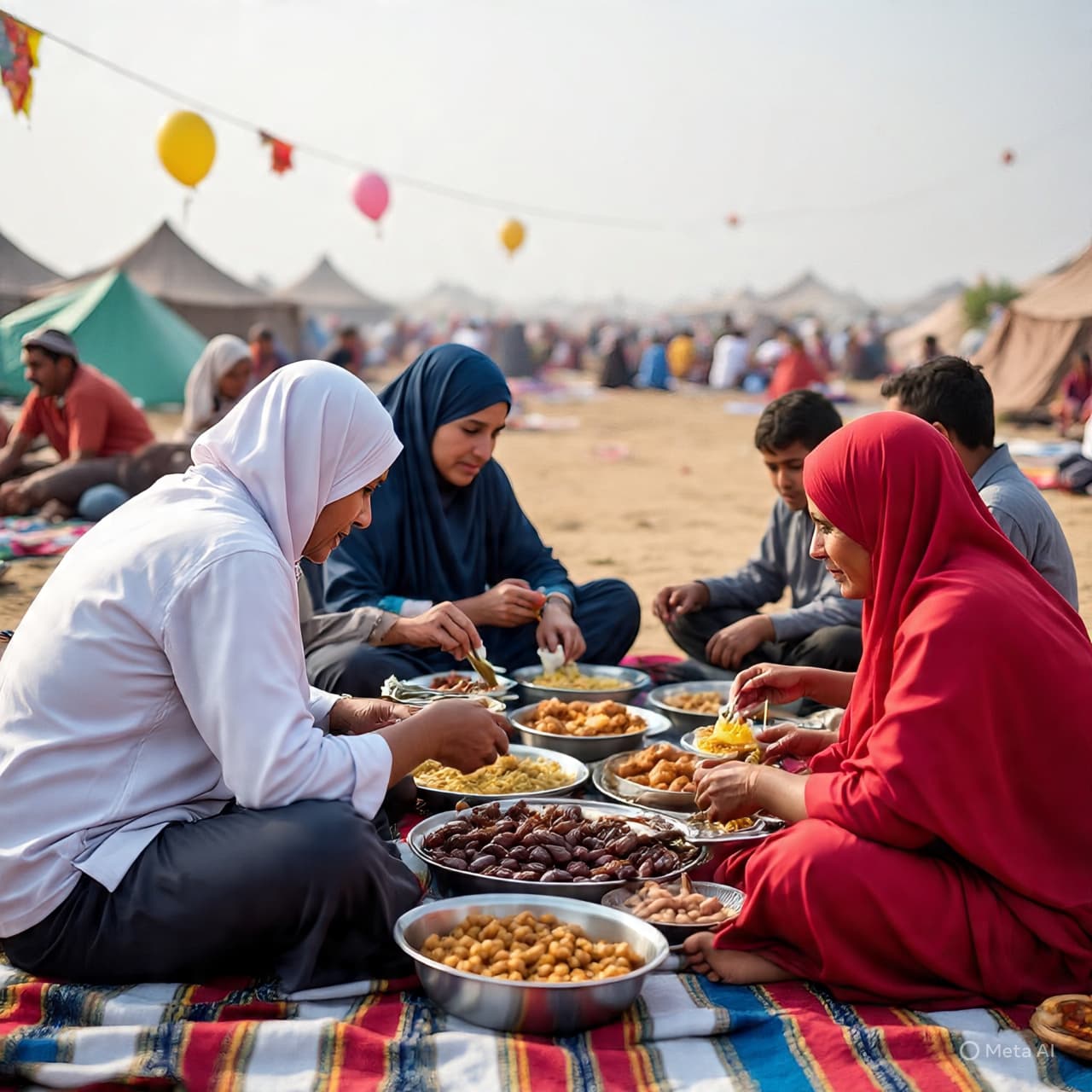
AI Image Disclaimer (Rotated) Graphics are AI-generated and intended for representation, not reality.
Source Check (Credible Media Identified): Reuters Associated Press The Guardian Al Jazeera Financial Times
Published by Banx Network. This article is part of the Banx decentralized media programme, powered by the BXE token on the XRP Ledger.

.jpg&w=3840&q=75 "Romania Passes Controversial Integrity Law for Officials to Access EU Funds")
