There are figures who stand at the center of history’s stage, and there are those who remain just beyond the curtain—present, influential, yet wrapped in deliberate quiet. In the long and shifting narrative of the Islamic Republic of Iran, the name of Ali Khamenei is etched prominently into headlines and diplomatic cables alike. But beside him, in the softer margins of power, stands a woman rarely seen yet frequently mentioned: Mansoureh Khojasteh Bagherzadeh. Recently, her name resurfaced in public discourse following claims and descriptions that referred to her as “mati syahid”—a phrase rooted deeply in Islamic tradition, evoking martyrdom and spiritual honor. The words traveled swiftly across regional media and social platforms, carrying with them both reverence and confusion. Who is she, and why would such a term be invoked in connection with her? Mansoureh Khojasteh was born into a religious family in Mashhad, Iran. She married Ali Khamenei in 1964, years before he would rise to become Iran’s Supreme Leader. Those early years unfolded amid political turbulence, long before the 1979 Islamic Revolution reshaped the nation’s destiny. During the revolution and the subsequent Iran-Iraq War, the Khamenei household, like many others, experienced the tremors of conflict and ideological transformation. Unlike many spouses of political leaders in other parts of the world, Khojasteh has maintained an exceptionally private profile. There are few official photographs, limited public speeches, and almost no direct interviews. In Iran’s political culture—particularly within its clerical establishment—privacy for the Supreme Leader’s family is often both tradition and strategy. Silence, in this context, becomes its own language. The term “syahid,” meaning martyr, holds profound religious significance in Shiite Islam, the dominant sect in Iran. It traditionally refers to someone who dies in the path of faith or in defense of religious principles. In Iranian political discourse, the word has also been used symbolically, sometimes extending beyond battlefield sacrifice to encompass spiritual endurance or moral steadfastness. However, as of credible mainstream reporting, there has been no verified confirmation from official Iranian state sources that Mansoureh Khojasteh has died. Descriptions labeling her as “mati syahid” appear largely within commentary, social media narratives, or unofficial statements rather than formal government announcements. In the architecture of modern information, words can rise quickly—sometimes ahead of substantiated fact. Her life, by most documented accounts, has been centered on family and religious devotion. The Khamenei couple has several children, some of whom have assumed roles within Iran’s political and clerical spheres. Yet even as their influence expanded, Khojasteh herself remained distant from public governance, embodying a traditional model of discretion within Iran’s leadership structure. In many ways, her story mirrors the paradox of proximity to power: deeply embedded yet seldom illuminated. The invocation of martyrdom, whether literal or symbolic, reflects the layered language of Iranian political culture—where faith, politics, and narrative often intertwine like threads in a Persian tapestry. As discussions continue and speculation circulates, what remains clear is this: Mansoureh Khojasteh has long occupied a quiet but enduring place beside one of the Middle East’s most consequential figures. Whether spoken of in reverence, rumor, or reflection, her name now invites renewed attention—not as a policymaker, but as a presence within the intimate sphere of Iran’s highest leadership. In the end, history often remembers not only those who lead publicly, but also those who stand steadily in the background, shaping lives in ways less visible but no less real. For now, verified information remains limited, and official confirmation regarding claims of her death has not been broadly reported by major international outlets. The story, like many within Iran’s guarded corridors, unfolds carefully and often quietly.
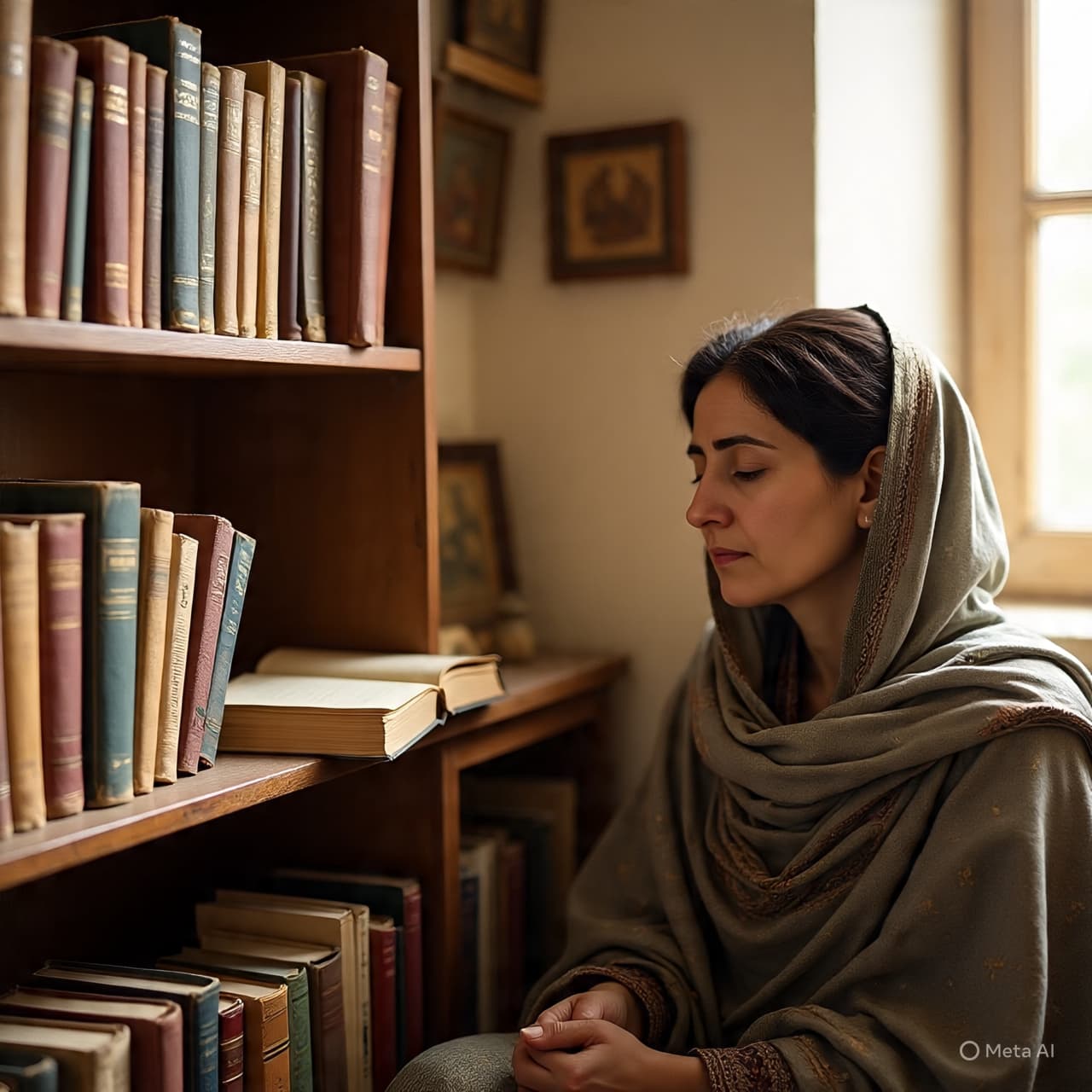
AI Image Disclaimer
Visuals are created with AI tools and are not real photographs.
---
Sources
BBC News Reuters Al Jazeera The Guardian The New York Times
Published by Banx Network. This article is part of the Banx decentralized media programme, powered by the BXE token on the XRP Ledger.