
Key Highlights
- Islamabad is hosting the second phase of US-Iran dialogue, emphasizing its role in regional diplomacy.
- Heightened security measures reflect both caution and hope for successful negotiations.
- The ongoing talks symbolize a commitment to dialogue amid historical tensions.
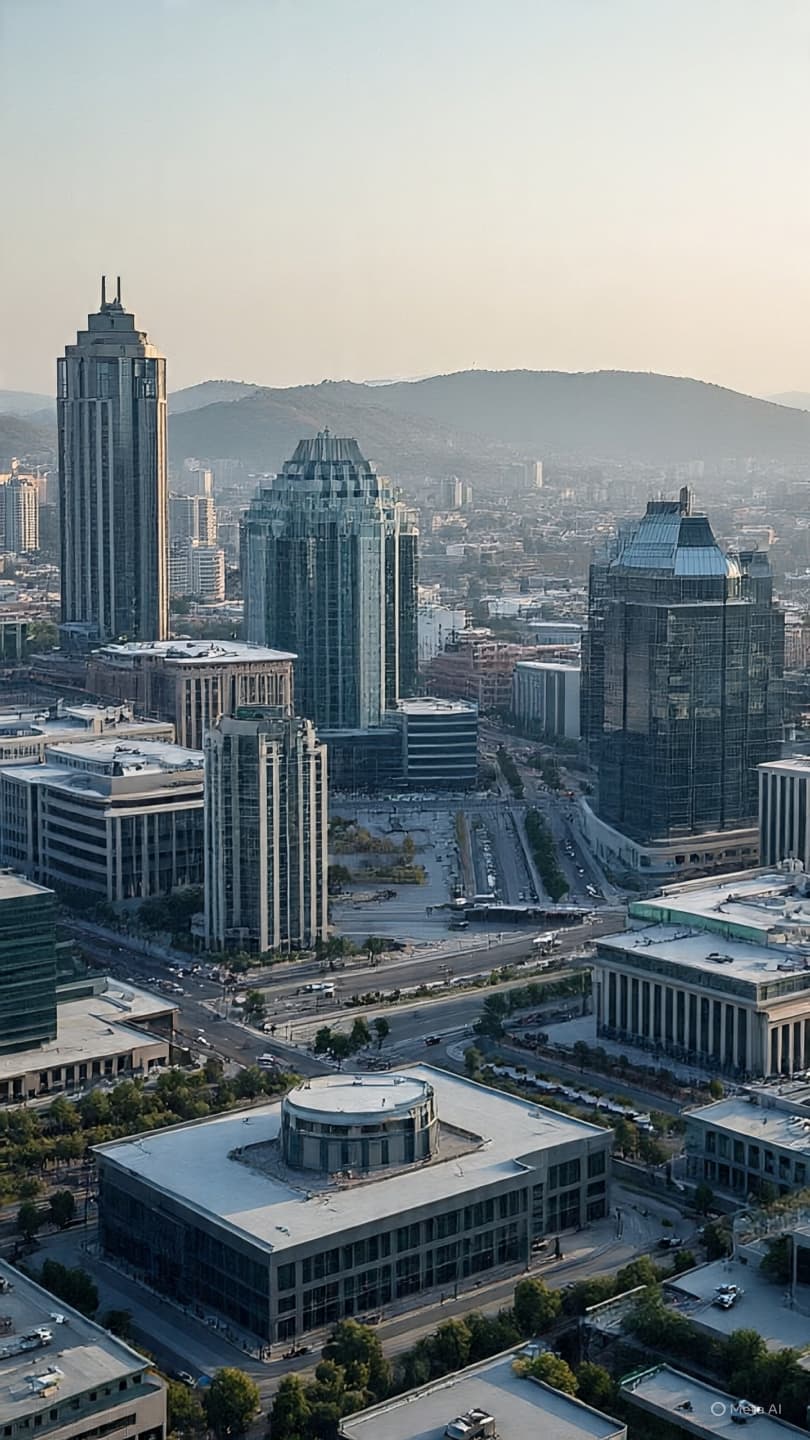
The geopolitical landscape often transforms cities into silent witnesses of history, and Islamabad is currently embodying this role. With its structured avenues and the backdrop of distant mountains, the city stands poised as a host for the second phase of dialogue between the United States and Iran. This moment is marked not by loud proclamations but by a quiet anticipation, as the tightening of security across the city suggests a careful preparation for what is to come.
The dialogue, which is seen as a critical step in addressing longstanding tensions, is characterized by a sense of measured optimism. Islamabad's selection as the venue underscores its position as a neutral ground, fostering an environment where discussions can flourish away from the noise of conflict. The heightened security measures, while indicative of the stakes involved, also reflect a commitment to ensuring that peace is pursued with vigilance and care.
In this carefully curated atmosphere, diplomats and officials engage with a sense of purpose. The dialogue is not expected to yield immediate breakthroughs; rather, it is a gradual process of rebuilding trust. Observers note that such negotiations often unfold like a narrative, where each interaction contributes to a larger story of reconciliation and understanding. The slow, deliberate pace of these discussions is a testament to the complexities of international relations, where patience is often as crucial as action.
Pakistan's role extends beyond merely providing a venue; it positions itself as a facilitator of dialogue in a region fraught with challenges. The increased security presence serves as a reminder of the delicate nature of these talks, where every measure taken is part of a broader strategy to protect the potential for dialogue. Each checkpoint and patrol is not just about safety; it symbolizes the hope for a future where understanding prevails over division.
For those observing from a distance, the ongoing dialogue signifies more than just bilateral negotiations. It raises fundamental questions about stability and the enduring challenge of bridging divides that have deep historical roots. The second phase of talks indicates a willingness to maintain the conversation, a crucial aspect of diplomacy where continuity itself can represent progress.
As Islamabad navigates its role under the watchful eyes of the world, the focus remains on the dialogue's potential outcomes. While uncertainty looms over what these talks may achieve, the mere act of engaging in dialogue is a significant step forward. In the realm of international relations, persistence in communication can often be the catalyst for change, quietly laying the groundwork for a more stable future.
Published by Banx Network. This article is part of the Banx decentralized media programme, powered by the BXE token on the XRP Ledger.



