
Key Highlights
- Upcoming Talks:The second round of U.S.-Iran negotiations is set to take place in Pakistan.
- Diplomatic Goals:The discussions aim to address Iran's nuclear ambitions and regional tensions.
- Strategic Venue:Pakistan is chosen as a neutral ground for these critical talks.
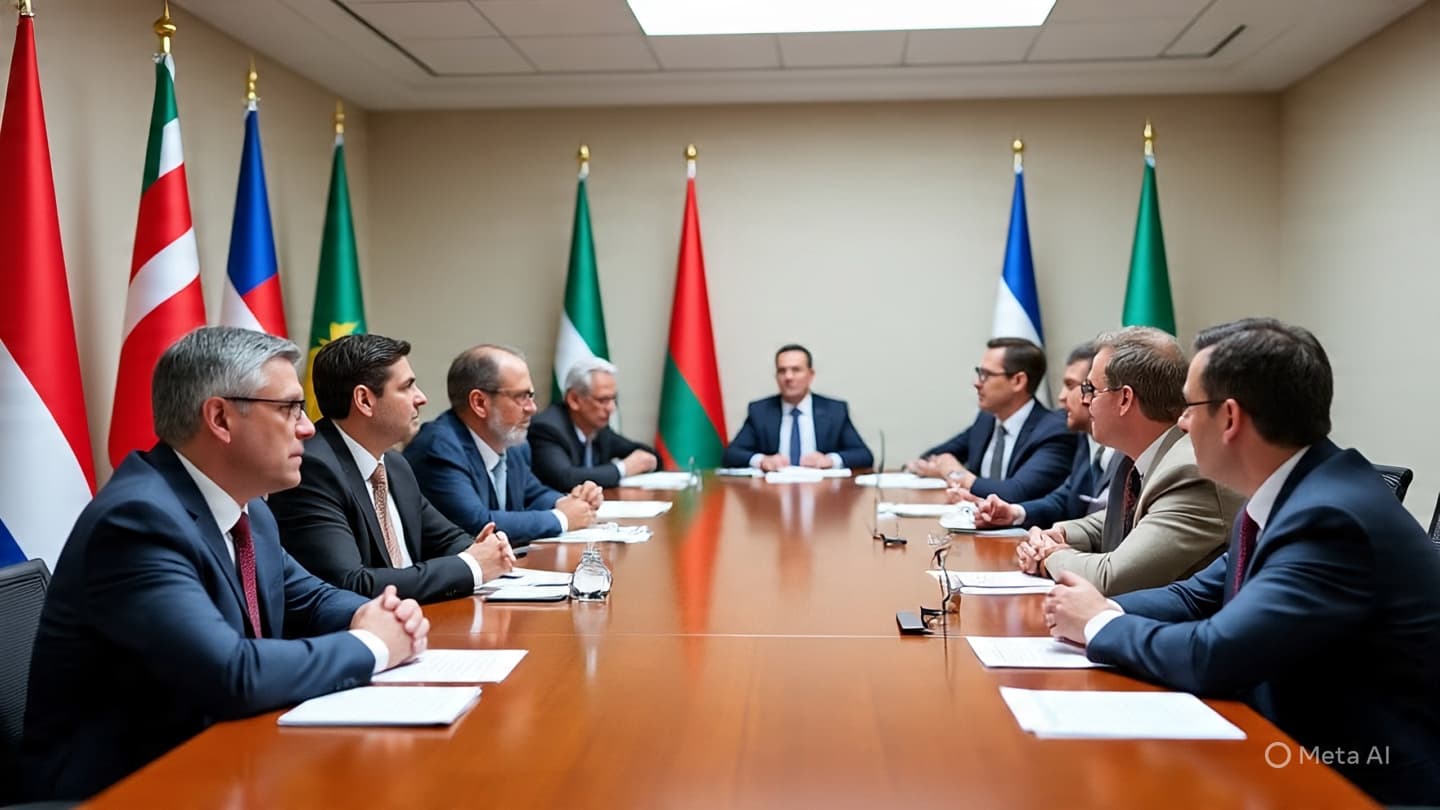
The upcoming second round of talks between the United States and Iran in Pakistan is poised to be a pivotal moment in international diplomacy. As officials prepare for this crucial meeting, the atmosphere is charged with both hope and skepticism. The negotiations are seen as a continuation of efforts to curb Iran’s nuclear ambitions while easing regional tensions, a task that has proven challenging in the past.
U.S. officials have expressed cautious optimism ahead of the meeting, which is expected to adhere to strict diplomatic protocols. The choice of Pakistan as the venue is significant; it reflects a strategic decision to create a neutral ground, distancing the discussions from traditional power centers. This move may facilitate a more open dialogue, allowing both sides to explore potential agreements without the weight of historical grievances overshadowing the talks.
The first round of negotiations reportedly established a framework for future discussions, focusing on critical issues such as uranium enrichment limits and inspection mechanisms. While no concrete agreements were reached, both parties described the dialogue as “constructive,” a term that suggests a willingness to keep communication channels open despite the complexities involved.
As the second round approaches, U.S. representatives are expected to present proposals aimed at phased compliance. This includes potential sanctions relief in exchange for verifiable steps by Iran to reduce its nuclear activities. Such proposals echo earlier agreements but are adapted to the current geopolitical landscape, which has become increasingly intricate due to various regional conflicts and alliances.
Iran has shown a willingness to engage in these discussions, yet its officials emphasize the necessity for guarantees. The withdrawal of the U.S. from previous agreements has fostered a climate of distrust, leading Tehran to prioritize long-term assurances over short-term concessions. This cautious approach underscores the delicate balance both sides must maintain as they navigate the intricacies of their respective national interests.
The regional dynamics surrounding these talks further complicate the situation. Ongoing tensions involving neighboring states and broader Middle Eastern conflicts are deeply intertwined with the nuclear issue, requiring diplomats to consider not only bilateral concerns but also the expectations and reactions of allies and rivals alike. The stakes are high, and the potential for miscommunication or miscalculation looms large.
Pakistan’s role as host adds another layer of significance to the negotiations. Positioned at a crossroads of regional interests, the country offers logistical convenience and a sense of symbolic neutrality. Its involvement may help facilitate dialogue, but it also highlights the broader international stakes at play, as various global powers have vested interests in the outcome of these talks.
As analysts observe the unfolding situation, they note that optimism in diplomacy is often tempered by realism. While progress is possible, the path toward agreement is rarely straightforward. Each round of negotiation introduces new variables, requiring all parties to adjust their strategies and expectations accordingly.
As the second round of talks draws near, the tone remains measured. There is hope for a breakthrough, but it is accompanied by a recognition of the challenges that lie ahead. The outcome will likely depend on the ability of both sides to balance their national interests with a shared understanding of the risks posed by continued escalation. Ultimately, these talks represent more than just a diplomatic exercise; they serve as a reminder that even in times of uncertainty, dialogue persists, quietly seeking pathways where conflict might otherwise prevail.
Published by Banx Network. This article is part of the Banx decentralized media programme, powered by the BXE token on the XRP Ledger.



