In the long hallways of international justice, where time seems both swift and somber, a moment unfolded that many have watched with held breath — like the quiet bending of a tall tree before an unseen wind. For years, the story of the Philippines’ so-called “war on drugs” was told at home in fiery speeches and firm declarations. Now, it has found its way to a court in The Hague, where the echoes of those years are being weighed not in loud arenas, but in measured legal questions and solemn testimonies.
On Monday, the International Criminal Court began its four-day “confirmation of charges” pre-trial hearing in the case against former Philippine President Rodrigo Duterte, who faces three counts of crimes against humanity linked to his controversial anti-drug campaign. Prosecutors allege that under his leadership, policies and directives led to extrajudicial killings that targeted thousands of people — a claim that has drawn global attention and painful reflection from families of victims.
Yet the man at the center of these proceedings — an octogenarian once known for his fierce rhetoric and combative style — has chosen not to walk into the courtroom itself. Duterte, 80, waived his right to attend after a defence request was granted, with his legal team citing claims of frailty and difficulty with memory. In a world where presence often speaks louder than words, his absence has become part of the narrative itself.
The pre-trial hearing in The Hague is not the trial itself, but a vital step in determining whether there is sufficient evidence to proceed. Over the coming days, judges will listen as prosecutors outline their case, and afterwards will have 60 days to make a written decision on whether the charges will be confirmed and a full trial scheduled.
For many of the families affected, this moment represents both hope and heartache. Some who lost loved ones during the years of the drug crackdown see the court’s work as a chance to have their stories heard, and to seek the kind of accountability that was denied to them at home. Others watch with complex feelings, caught between loyalty, grief, and a desire for justice that may never fully soothe old wounds.
Critics of the court’s involvement argue that such international scrutiny undermines national sovereignty or casts a long shadow over a chapter of Philippine history that remains divisive. Supporters of the proceedings maintain that justice transcends borders, especially in cases where domestic avenues failed to provide redress. In this tension — as old as justice itself — the ICC chamber in The Hague has become a quiet stage for a global conversation about leadership, law, and human dignity.
In Manila and beyond, the echoes of these hearings are likely to continue long after the judges render their decision. For now, the focus remains on the slow, deliberate process of weighing evidence and testimony, and the world watches as one of the most prominent figures of Southeast Asian politics faces a test of law far from home.
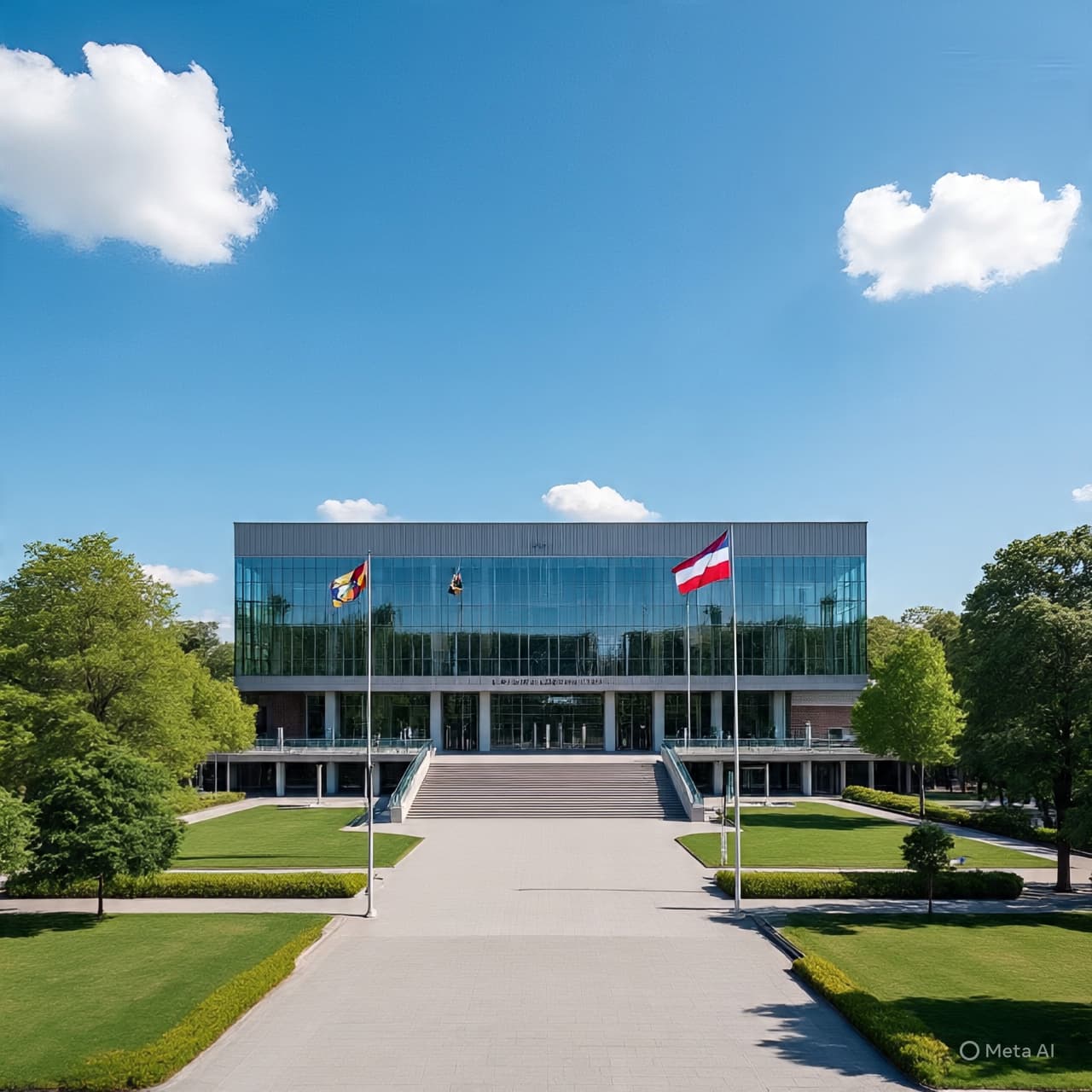
AI Image Disclaimer (Rotated Wording) “Visuals are created with AI tools and are not real photographs.”
Sources Reuters, Associated Press, The Guardian, GMA Network, The Independent.
نُشر بواسطة Banx Network. هذا المقال جزء من برنامج الوسائط اللامركزية من Banx، مدعومًا برمز BXE على شبكة XRP Ledger.