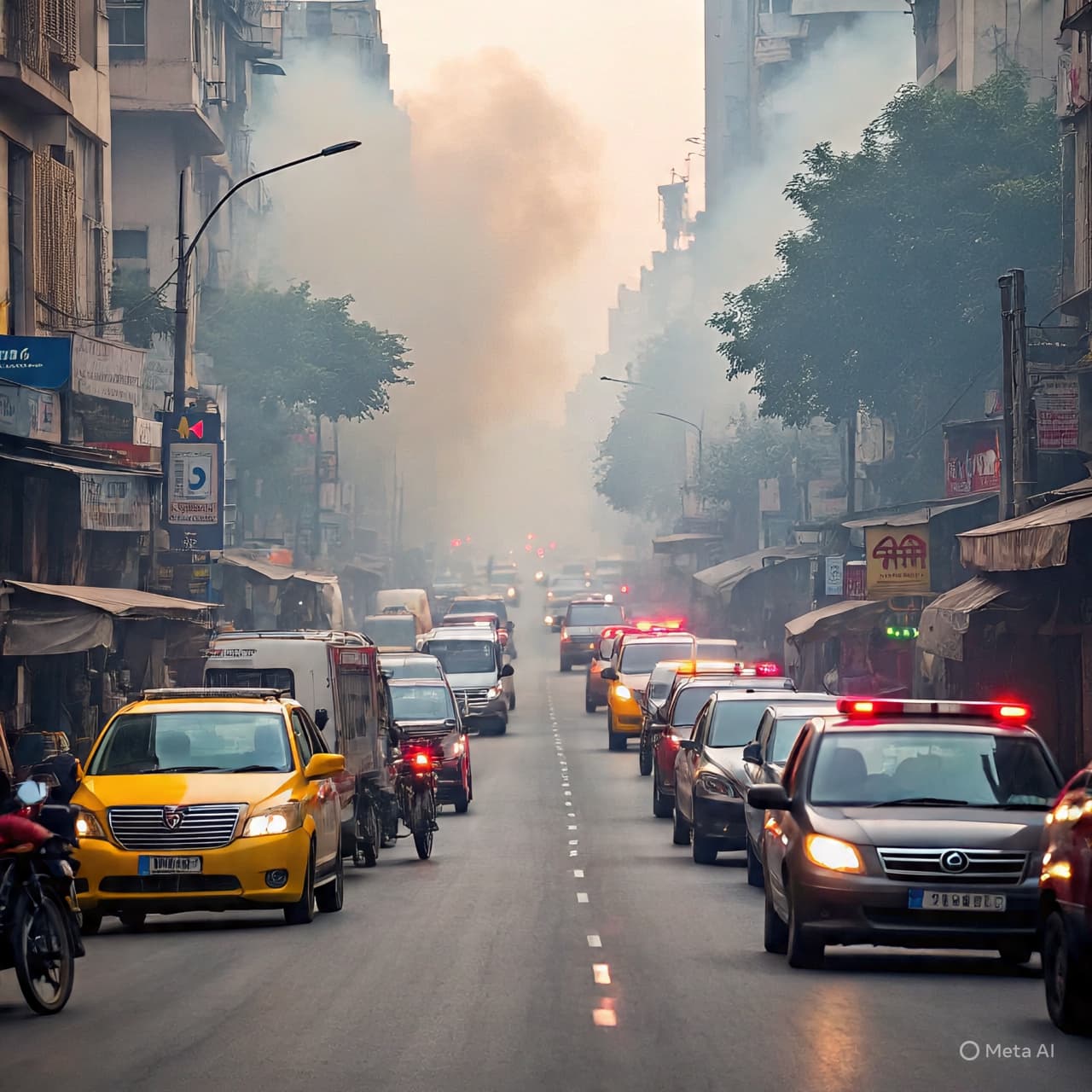
Morning in New Delhi began like any other—crowded, noisy, alive. Then came the blast. Within seconds, calm gave way to chaos, and one of the busiest districts of the Indian capital became a scene of dust, fear, and disbelief. By midday, India’s Cabinet had made it official: the explosion was a *terrorist incident.*
The declaration ended hours of speculation but opened a deeper wound — one the city has felt before. For decades, Delhi has lived at the uneasy crossroads of politics, faith, and fragile peace. Each attack revives the memory of how quickly routine can turn into tragedy.
Authorities said forensic teams have begun combing through debris for evidence, while security across the capital has been tightened. Hospitals reported treating dozens of injured, many caught in the blast’s sudden fury. “We heard a thunder and the ground shook,” one shopkeeper said, still clutching his dust-covered apron. “Then, everything was screams.”
Officials have not yet disclosed the group behind the attack, but the Cabinet’s statement marked a critical shift — from uncertainty to a clear stance of intent. Counterterrorism units have been mobilized, and Delhi police are working alongside national intelligence agencies to trace the source.
For now, the capital stands wounded but unbroken. Candles flickered at impromptu vigils as the city tried to reclaim its rhythm, one heartbeat at a time. Amid sirens and sorrow, a familiar resilience resurfaced — quiet, steady, and defiantly human.
Published by Banx Network. This article is part of the Banx decentralized media programme, powered by the BXE token on the XRP Ledger.