
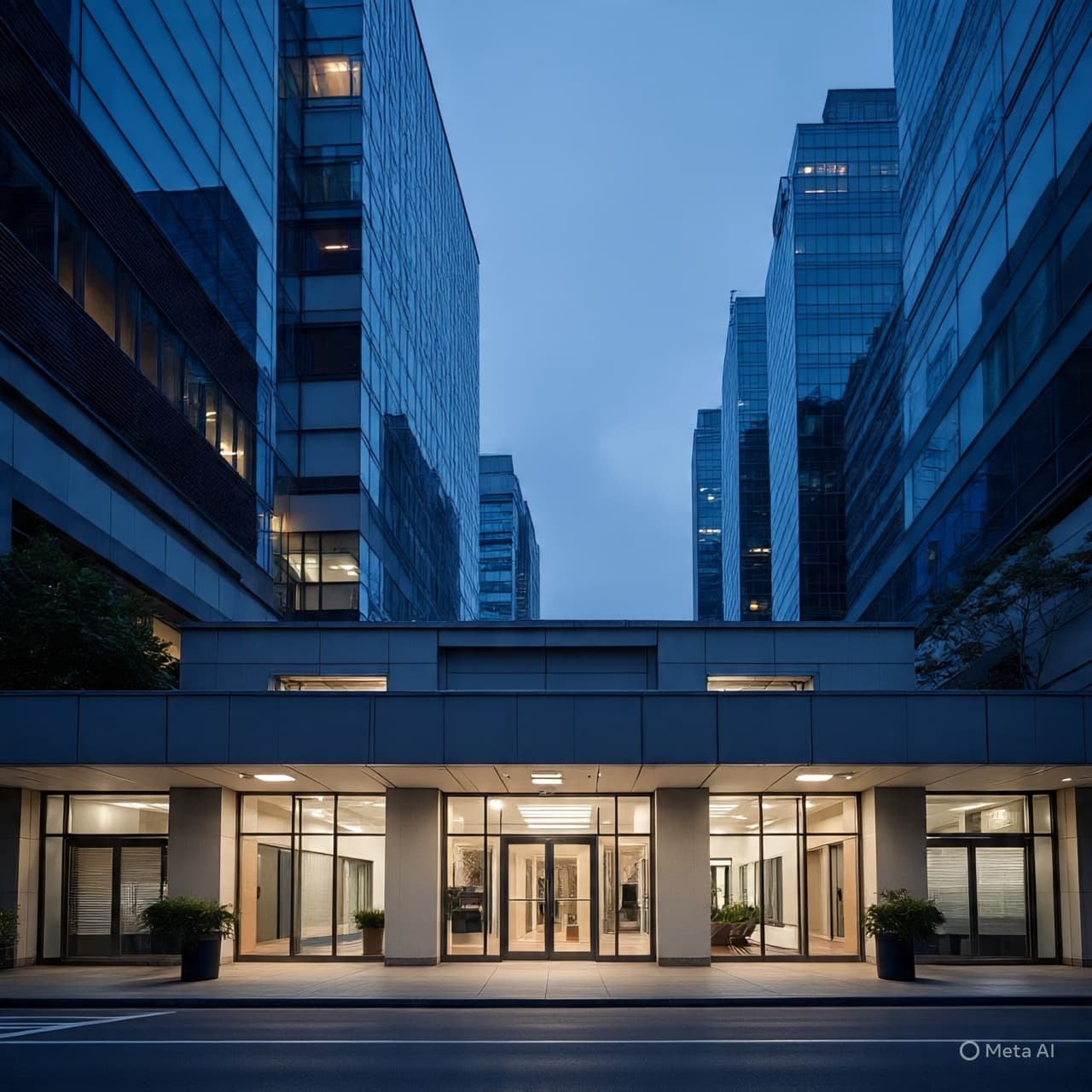
Morning light filtered weakly through Hong Kong’s towers, catching glass and steel before dissolving into the harbor haze. It was the kind of ordinary weekday calm the city has mastered, even as history presses in close. Inside a courtroom, time was counted differently. Twenty years were spoken aloud, firm and final, and the air seemed to hold them.
Jimmy Lai, the media tycoon turned dissident publisher, was sentenced to 20 years in prison under Hong Kong’s national security law. For a man once known for loud headlines, defiant interviews, and the bustle of a newsroom that refused quiet, the sentence marked a narrowing—of movement, of voice, of future.
Lai, now in his late seventies, has been held in custody for years while facing multiple charges tied to alleged collusion with foreign forces and other national security offenses. Prosecutors framed the case as one of sovereignty and stability. Supporters, inside and outside Hong Kong, have long described it as punishment for dissent, a warning etched into legal language.
From abroad, his family responded with words shaped less by law than by fear. They warned that the sentence could become a death sentence in slow motion, that Lai would “die a martyr” if left to serve decades behind bars. Age, health, and the length of confinement loom larger than ideology when years stretch beyond a natural horizon.
Once, Lai’s newspaper—Apple Daily—set the city’s rhythm, its pages loud with criticism and unapologetic opinion. Its closure, following police raids and arrests, left a blank space in Hong Kong’s media landscape, one that no new outlet has filled. The sentencing of its founder felt, to many, like the punctuation mark at the end of a longer sentence imposed on the city itself.
Hong Kong’s authorities insist the law is applied evenly and that national security cases are handled with judicial independence. Courts have repeatedly rejected arguments that political views are on trial. Yet the international response has remained sharp, with governments and rights groups describing Lai as a prisoner of conscience and calling for his release.
The language surrounding the case has grown heavier over time. Words like “deterrence” and “stability” stand opposite phrases such as “freedom of expression” and “rule of law.” Between them sits a man in a cell, his world reduced to routines and memory.
As evening settled, the city returned to motion—trams, ferries, lights switching on floor by floor. The sentence did not change the skyline. It did not stop the traffic. But it altered something quieter: the understanding of what it costs, now, to speak too loudly or publish too plainly.
Twenty years is a long measure. For Hong Kong, it stretches far into an uncertain future. For Jimmy Lai, it is a narrowing corridor of days, where faith, resolve, and physical endurance are asked to do the work that freedom once did. The city moves on, but the echo of the verdict lingers, counting time.
AI image disclaimer
Visuals are AI-generated and serve as conceptual representations.
Sources Reuters Associated Press Hong Kong Judiciary Amnesty International
Published by Banx Network. This article is part of the Banx decentralized media programme, powered by the BXE token on the XRP Ledger.


.jpg&w=3840&q=75 "Man Tapes Ears to His Head in Bizarre Attempt to Enter Poland With False Passport")