
Key Highlights
- Incident:A Malaysian couple reportedly sentenced to one year in jail for indecent behavior in a cemetery.
- Cultural Significance:Cemeteries are viewed as sacred spaces across various cultures, symbolizing love and loss.
- Societal Reflection:The incident raises broader questions about respect for sacred spaces and evolving social norms.
In a world where the sanctity of certain places is often taken for granted, a recent incident in Penang, Malaysia, has ignited a conversation about the boundaries of public behavior. Reports indicate that a couple was sentenced to one year in jail for engaging in an indecent act within a cemetery. This event, while still under scrutiny for its details and accuracy, has prompted discussions about the nature of sacred spaces and the respect they command.
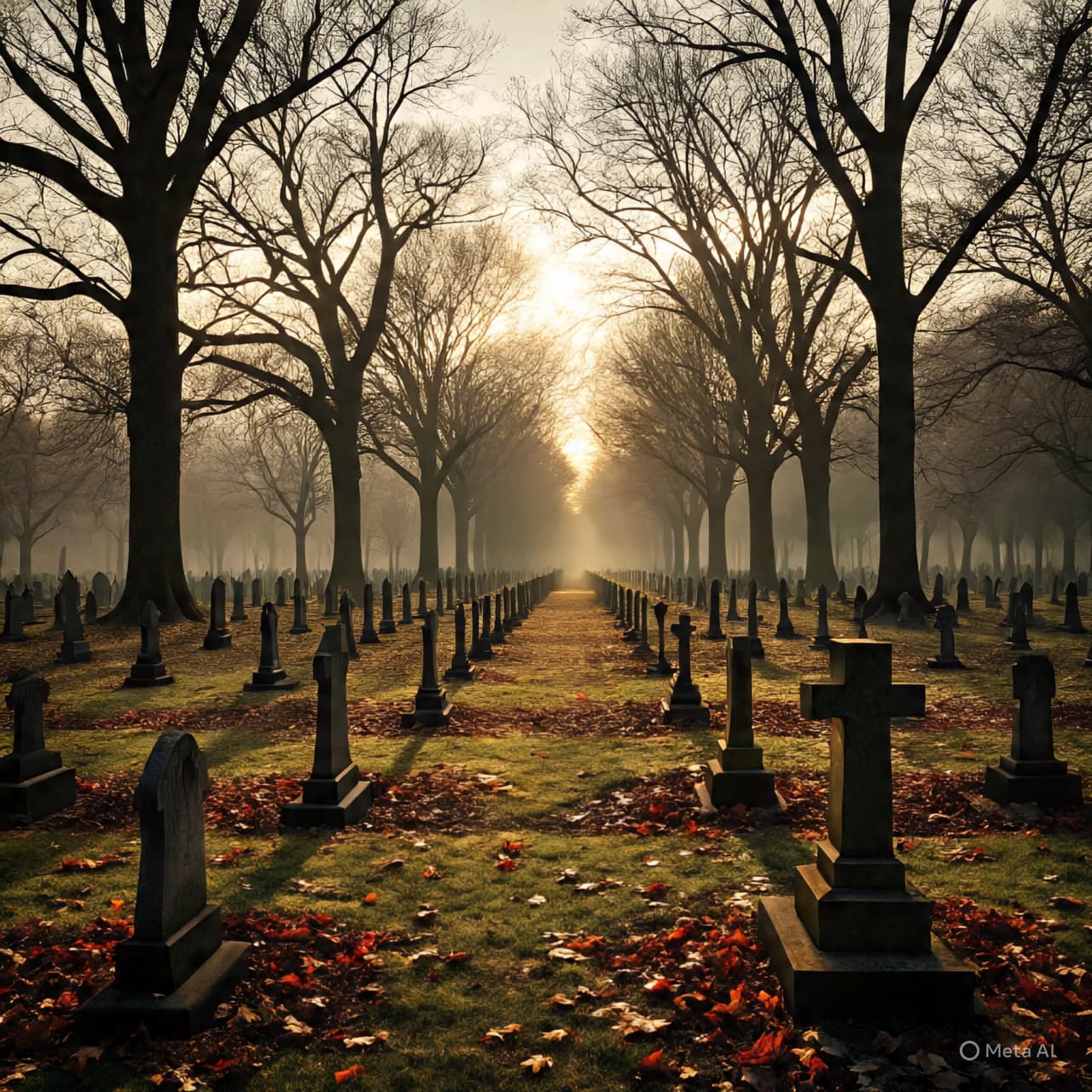
Cemeteries are not merely locations for the deceased; they are repositories of memory, reverence, and cultural significance. Across different societies, these spaces serve as reminders of love, loss, and the continuity of life. The act of stepping into a cemetery often invokes a sense of solemnity and reflection, where the living and the departed share an unspoken understanding. When such a space is disrupted by actions deemed inappropriate, it raises questions about societal values and the respect afforded to these hallowed grounds.
The reported legal consequences for the couple, if confirmed, highlight the tension between personal freedom and communal responsibility. Laws are designed to reflect the values of a society, and in this case, they seem to articulate a collective expectation of decorum in spaces that hold significant emotional weight. The intersection of individual actions and societal norms becomes particularly pronounced in environments considered sacred, where the implications of behavior extend beyond the individual to touch on broader cultural narratives.
Moreover, the rapid dissemination of information in today's digital age complicates the narrative. What might have been a private incident can quickly morph into a public spectacle, influencing perceptions and sparking debates far beyond its immediate context. This phenomenon underscores the delicate balance between personal conduct and the collective response it elicits, particularly in spaces that demand a certain level of reverence.
As society grapples with these evolving dynamics, the question remains: how do we maintain the dignity of sacred spaces while navigating a world that is increasingly interconnected and fast-paced? The challenge lies in fostering a collective awareness that respects the unique nature of these environments, encouraging individuals to approach them with mindfulness and restraint.
Ultimately, the incident serves as a poignant reminder of the agreements that govern our interactions with one another and the spaces we inhabit. In a time of rapid change, it is crucial to recognize that some places call for a different kind of presence—one that honors their significance and the memories they hold. As discussions continue, the hope is that these reflections will lead to a deeper understanding of how we can coexist with respect for the sacredness of our shared spaces.
Published by Banx Network. This article is part of the Banx decentralized media programme, powered by the BXE token on the XRP Ledger.



