
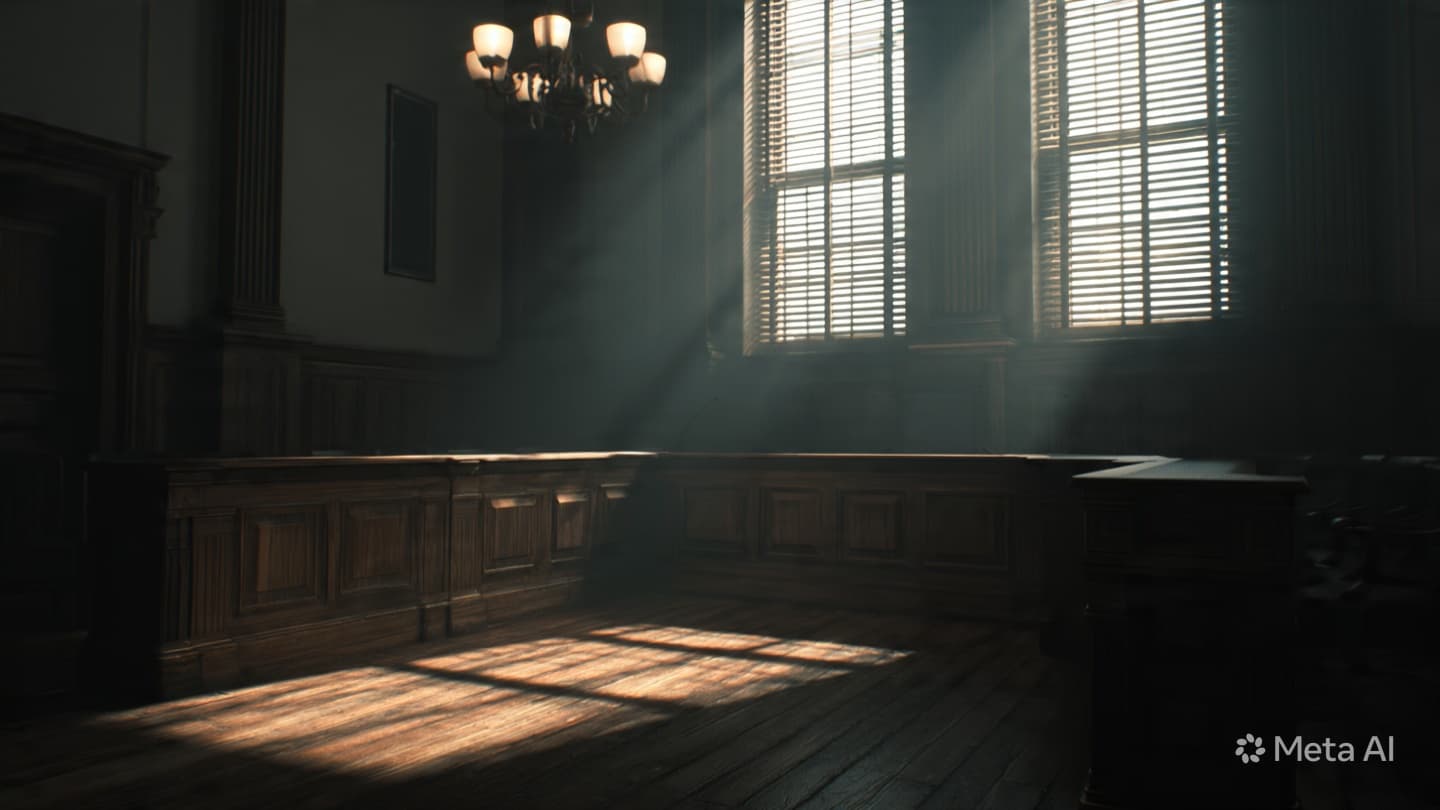
Time is a relentless archivist, yet it is often a selective one, holding onto the fragments of history that we would prefer to cast aside. When a former sports coach stands trial for sexual assault allegations that stretch back across the decades, it forces us to confront the persistent nature of memory and the enduring reach of justice. These stories—emerging from the 1970s and 1980s—are not merely relics of a bygone era; they are vivid, present-tense wounds that continue to define the lives of those who were once young. To witness these proceedings is to observe a collision between the world as it was then, and the light of scrutiny that exists today.
In the solemnity of the Central Criminal Court, the passage of time is measured not in years, but in the weight of testimony. The accused, now an elderly man, sits amidst the familiar rituals of the law, while his accusers find the courage to articulate experiences that have been sequestered in the quiet corners of their minds for half a century. There is a profound, atmospheric heaviness to this, as the courtroom becomes a vessel for the ghosts of summer camps and training fields. We are reminded that an act of violence does not simply dissipate; it waits, often silently, for the societal climate to shift enough that the truth might finally be spoken.
The trials of historical abuse carry a specific, haunting quality. They lack the immediate, forensic urgency of contemporary events, relying instead on the clarity of memory and the corroboration of experiences that were once hidden behind a veil of shame or silence. The narratives shared by the complainants—stories of panic, of being touched when they were young, and of a power dynamic that felt insurmountable—paint a portrait of a society that was less equipped to hear them. It is a humbling observation to realize that the victims carried these stories alone for so long, isolated by a culture that protected the reputation of the coach over the safety of the child.
As the trial progresses, we see the slow, methodical disentangling of truth from the fabric of the past. The prosecution presents its case with a clinical precision, yet every detail—the mention of a training session, the description of a specific room, the feeling of vulnerability—is heavy with the resonance of a life interrupted. For the jury, the task is daunting: to weigh the weight of ancient memories against the presumption of innocence in a framework that is built on contemporary legal standards. It is a tension that defines our modern approach to historical justice, a balancing act that recognizes the limitations of evidence while validating the gravity of the claim.
Ultimately, these proceedings offer a form of societal recalibration. By bringing these allegations into the light of the Central Criminal Court, the legal system serves as a witness, affirming that no matter how much time has passed, the dignity of the victim remains a primary concern. The trial is not merely about the guilt or innocence of one man; it is a profound testament to the power of coming forward. It is a reminder that the silence of the past need not be permanent, and that our collective understanding of accountability is constantly expanding, reaching back to hold the shadows of our history to account.
A former sports coach is currently standing trial at the Central Criminal Court, facing 74 counts of sexual abuse relating to four complainants during the 1970s and 1980s. The charges include indecent assault and attempted rape, alleged to have occurred at various locations across the state when the victims were aged between 10 and 15. The defendant has pleaded not guilty to the majority of the charges, while entering a guilty plea for five counts involving indecent assault on one complainant. The trial, which features testimony provided via videolink, continues as the court examines the historical evidence presented by the prosecution and the defense.
Published by Banx Network. This article is part of the Banx decentralized media programme, powered by the BXE token on the XRP Ledger.



.jpg&w=3840&q=75 "Intelligence Agencies Suspect Russia Is Developing Anti-Satellite Weapon to Target Starlink")