In the learned hush that follows a long day’s end, there are moments when the world seems to hold its breath — as if waiting for daylight to resolve yesterday’s pain. In Iran, that pause has become an uneasy silence punctuated by loss, shadows of grief stretching across provinces, and a mounting tally of lives cut short amid widespread protests and an intensifying government crackdown.
What began in the country’s bazaars and neighborhood streets as expressions of dissatisfaction over deepening economic woes has grown into one of the most sustained waves of public dissent in years. Demonstrators, initially driven by sharply falling living standards and inflation, have channeled their frustrations into broader demands that resonate far beyond economics, echoing across cities and provinces alike.
For more than two weeks, crowds have gathered from Tehran to Isfahan and beyond, calling for change and voicing grievances against a system they see as unresponsive to their hardships. But as voices rose, so too did the government’s show of force. Security branches — including police, paramilitary units, and other state forces — have confronted demonstrators with increasingly hardline measures.
According to rights groups monitoring the unrest, the death toll has climbed significantly, with reports citing at least 65 people killed and thousands more detained as authorities attempt to suppress demonstrations across more than 180 cities and towns. In Tehran alone, medical sources shared with independent outlets have indicated that at least 200 fatalities were recorded at a number of hospitals during especially intense clashes, mostly attributed to live gunfire — a stark figure that underscores both the scale and severity of the crackdown.
Communication blackouts — including widespread internet and mobile disruptions — have further obscured the full picture from outside observers, making independent verification of events difficult while raising concerns about the state’s control over information.
Amid these conditions, officials have also ratcheted up their rhetoric. Government statements have branded demonstrators with terms that carry severe penalties, and warnings of harsh reprisals, including charges that could incur the death penalty, have been issued against those who continue to protest.
International reactions have varied, with leaders abroad expressing support for peaceful protest and urging restraint, while the Iranian leadership has reiterated its narrative of defending national stability against what it casts as unrest fueled by foreign influence.
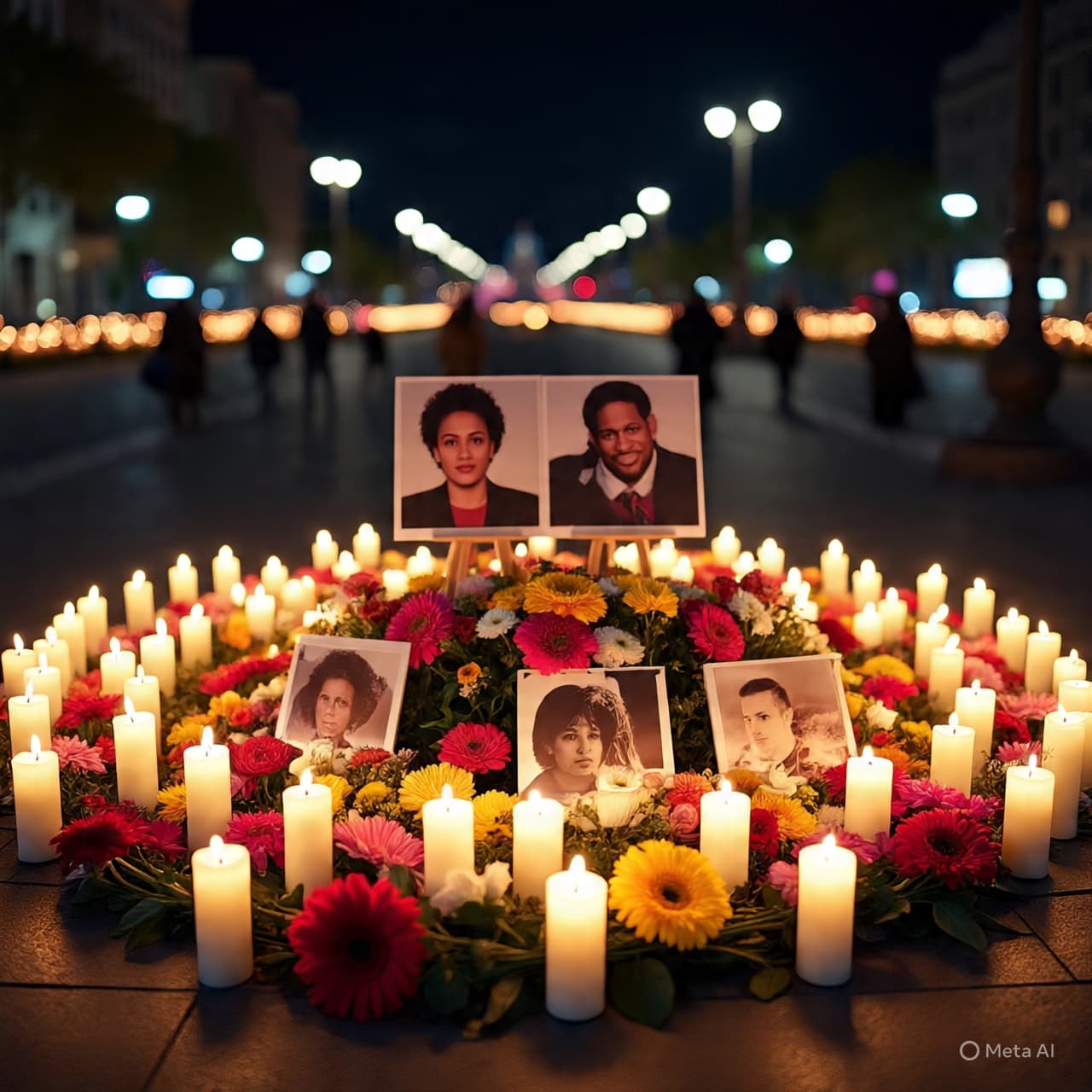
In the quiet that follows each day of demonstrations, families mourn behind closed doors, and communities count those lost — a number that continues to rise as the crackdown toughens and calls for change grow more persistent. In this period of uncertainty and sorrow, the stories of individuals weave into the larger fabric of a nation in flux.
AI Image Disclaimer Visuals are created with AI tools and are not real photographs.
Sources The Wall Street Journal AP News TIME Financial Times Reuters / Rights groups reporting
Published by Banx Network. This article is part of the Banx decentralized media programme, powered by the BXE token on the XRP Ledger.