

Key Highlights
- Booing disrupted Anzac Day ceremonies in major Australian cities.
- The Welcome to Country was met with audible discontent from some attendees.
- Public officials emphasized the need for respect during commemorative events.
In moments meant for quiet remembrance, even a small disturbance can echo far beyond the present. This was starkly illustrated during Anzac Day ceremonies across Australia, where booing at several dawn services unsettled an atmosphere traditionally marked by stillness and respect. Reports from Melbourne, Sydney, and Perth described interruptions during the Welcome to Country, a ceremonial acknowledgment of Indigenous custodians of the land. This practice has become a common feature at public events across Australia, intended as a gesture of recognition and continuity.
Witnesses noted that the booing, though not widespread, was audible enough to disrupt proceedings. For many attendees, the interruption contrasted sharply with the solemn purpose of the day, which honors those who served and died in military conflicts. The booing incidents raised questions about the collective spirit of remembrance and the respect owed to those commemorated.
Public officials and community leaders responded with measured but clear concern. Several emphasized that commemorative events rely on shared respect, regardless of differing perspectives on cultural or political matters. The expectation, they suggested, is not uniform agreement but a willingness to uphold the dignity of the occasion. This sentiment reflects a broader understanding that Anzac Day serves not only as a remembrance of military service but also as a platform for national reflection on identity and history.
Indigenous representatives expressed disappointment over the booing, framing the incidents as a reminder of ongoing tensions in national conversations about identity and history. For them, the Welcome to Country is not a political insertion but a cultural acknowledgment tied to longstanding traditions. The disruption highlighted the complexities of Australia's narrative, where the past and present often collide in public discourse.
Observers pointed to a broader backdrop of social division, where public ceremonies increasingly reflect deeper debates unfolding within society. Yet they also noted that Anzac Day has historically served as a unifying moment, drawing together people from varied backgrounds. The day is meant to foster a sense of community and shared purpose, even amid differing views on contemporary issues.
Authorities indicated that no major disruptions followed the incidents, and services continued as planned. Many attendees remained focused on the purpose of the day, participating in moments of silence and remembrance. While the booing prompted condemnation, the broader observance of Anzac Day continued across the country, with leaders urging respect and reflection in future ceremonies. The events serve as a reminder of the ongoing dialogue necessary for a reconciled future, where all voices can be heard in the spirit of remembrance.
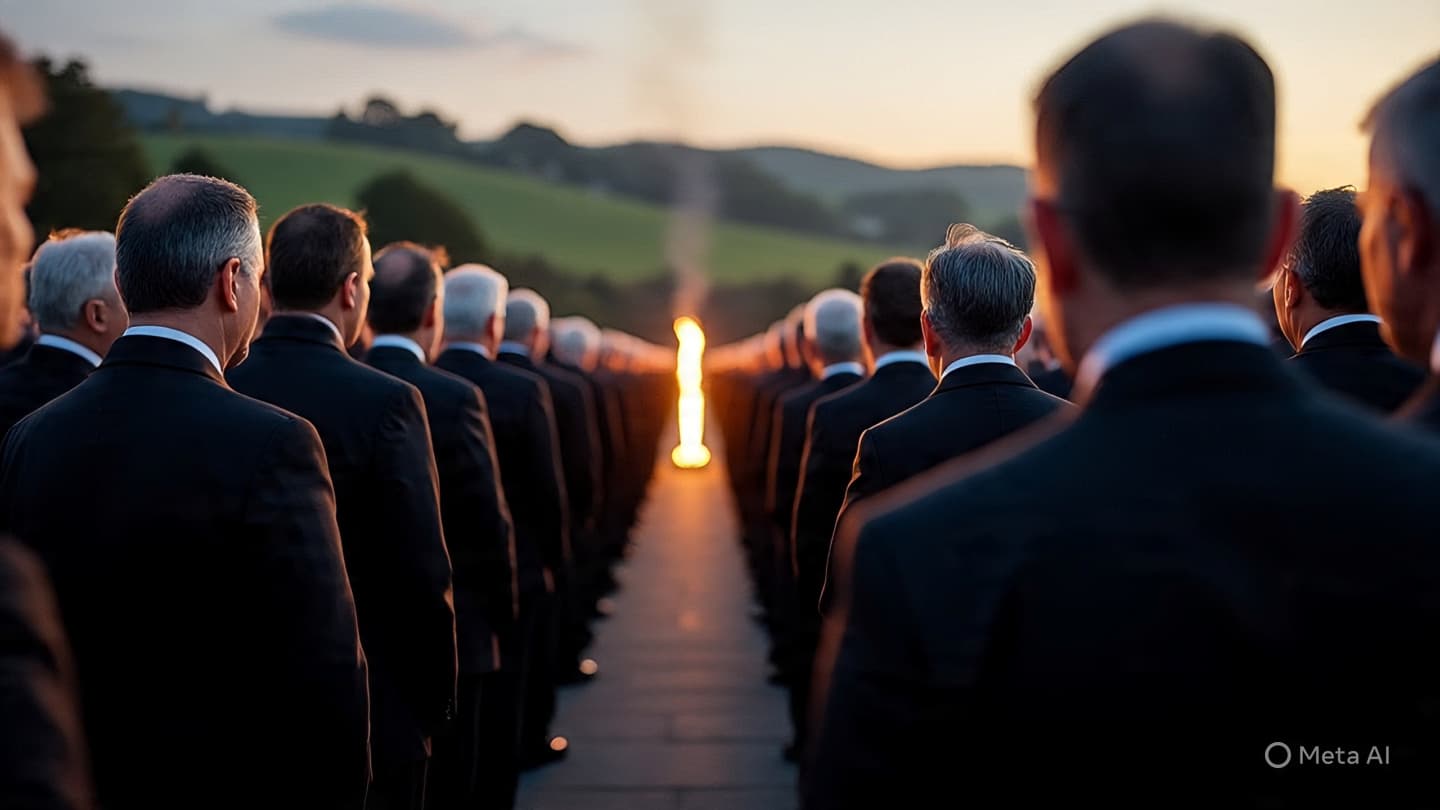
AI Image Disclaimer: Some images accompanying this article are AI-generated to illustrate public ceremonies and may not depict actual events.
Published by Banx Network. This article is part of the Banx decentralized media programme, powered by the BXE token on the XRP Ledger.




