
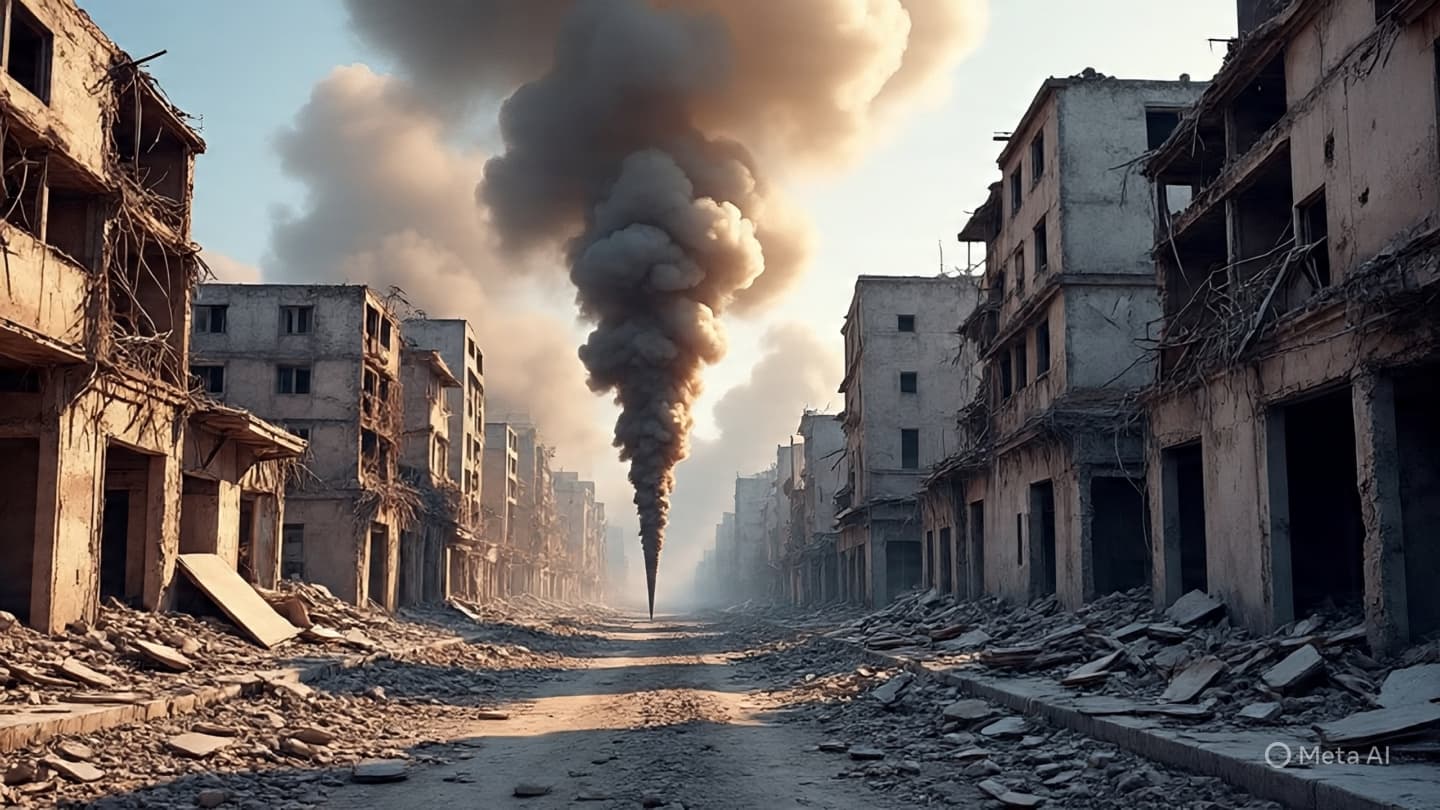
Key Highlights
- Ongoing military operations in southern Lebanon raise ceasefire concerns.
- Israeli government cites security threats as justification for actions.
- Local authorities express alarm over continued destruction and civilian risk.
The fragile nature of ceasefires in conflict zones is once again highlighted in southern Lebanon, where reports indicate that military operations have persisted despite an agreed halt in hostilities between Israel and local armed groups. This situation underscores the precarious balance between hope for peace and the reality of ongoing violence.
Israeli military actions have reportedly continued in various areas, prompting fears regarding the durability of the ceasefire. Local sources and international observers have noted that infrastructure damage and targeted strikes have not ceased, even as diplomatic agreements call for restraint. This raises questions about the effectiveness of ceasefire agreements in a region marked by deep-rooted tensions.
The Israeli government has defended its military operations, asserting that they are necessary for national security. Officials argue that the actions are a response to perceived threats from militant groups operating within Lebanon, emphasizing that defensive measures are crucial to prevent further escalation or attacks on Israeli territory. This justification, however, has been met with skepticism by many observers who fear that such actions undermine the ceasefire's credibility.
On the Lebanese side, authorities and residents have voiced serious concerns over the ongoing military activity. They argue that the continuation of hostilities not only jeopardizes civilian lives but also threatens critical infrastructure. The perception that the ceasefire is not being honored could lead to increased tensions and a potential resurgence of conflict in the region.
Historically, ceasefires in this area have faced significant challenges due to the complex dynamics involving multiple actors and overlapping interests. Agreements often exist on paper but fail to translate into immediate realities on the ground. The current situation exemplifies this pattern, as the fragile calm is disrupted by ongoing military actions.
International reactions have underscored the importance of adhering to ceasefire terms. Various governments and organizations have issued calls for restraint and accountability, urging both sides to avoid actions that could reignite broader conflict. The humanitarian implications of continued violence are also a pressing concern, as ongoing destruction affects access to essential services and displaces communities already burdened by conflict.
Analysts suggest that the persistence of military operations amid ceasefires reflects a broader trend in modern conflicts, where such agreements often serve as temporary pauses rather than definitive resolutions. Without comprehensive political agreements addressing the underlying issues, tensions are likely to resurface, complicating efforts for lasting peace.
The situation in Lebanon serves as a stark reminder of the complexities involved in sustaining peace in conflict-affected regions. The success of ceasefire agreements relies heavily on consistent implementation and mutual trust—elements that remain elusive in the current climate. As developments unfold, the fragile calm in southern Lebanon continues to hang in the balance, shaped by actions on the ground as much as by the diplomatic efforts at negotiating tables.
Published by Banx Network. This article is part of the Banx decentralized media programme, powered by the BXE token on the XRP Ledger.



