Nature often keeps its own quiet counsel, holding its forces beneath the surface until time and pressure gently—or suddenly—bring them into view. Volcanoes, in particular, remind us that stillness does not always mean inactivity.
The volcanic peninsula of Methana has become a focal point for scientists studying how volcanoes can remain dormant for extended periods before showing signs of renewed activity. The region offers valuable insights into long-term geological processes.
Located within the Hellenic volcanic arc, Methana has experienced eruptions in the past, though its activity has been relatively subdued in recent centuries. This pattern makes it an important case study for understanding volcanic dormancy.
Researchers have been examining geological formations, gas emissions, and seismic activity to assess the current state of the المنطقة. These indicators help scientists determine whether a volcano is truly inactive or simply in a prolonged resting phase.
The study of dormant volcanoes is critical for hazard preparedness. Even long-quiet systems can reawaken, sometimes with little immediate warning, making continuous monitoring essential.
Advances in technology, including satellite imaging and ground-based sensors, have improved the ability to track subtle changes beneath the surface. These tools allow scientists to detect early signals that may precede renewed activity.
Methana’s case highlights the importance of patience and long-term observation in the field of volcanology. Understanding these systems often requires decades of data collection and careful interpretation.
For local communities and policymakers, such research provides a foundation for planning and risk management, ensuring that preparedness measures remain aligned with evolving scientific knowledge.
Scientists will continue monitoring Methana and similar sites, as ongoing research contributes to a broader understanding of volcanic behavior worldwide.
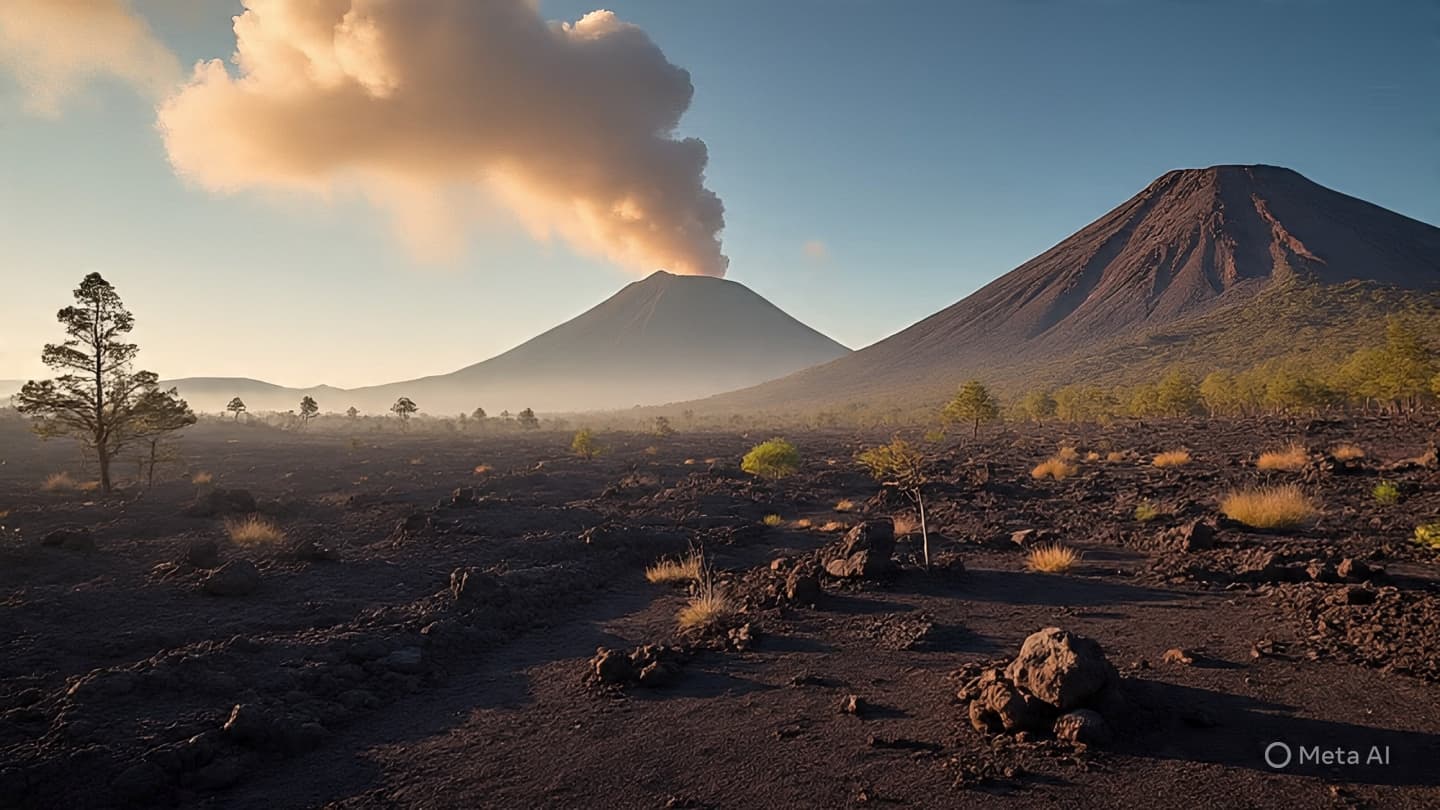
AI Image Disclaimer: Some visuals in this article are AI-generated to represent geological landscapes and volcanic features.
Sources: BBC News, National Geographic, Reuters, Smithsonian Magazine
Published by Banx Network. This article is part of the Banx decentralized media programme, powered by the BXE token on the XRP Ledger.