
Key Highlights
- Protests in Iran have led to widespread government repression.
- Thousands of demonstrators have been detained, impacting families and communities.
- The silence in Iranian streets reflects a deeper societal grief and loss.
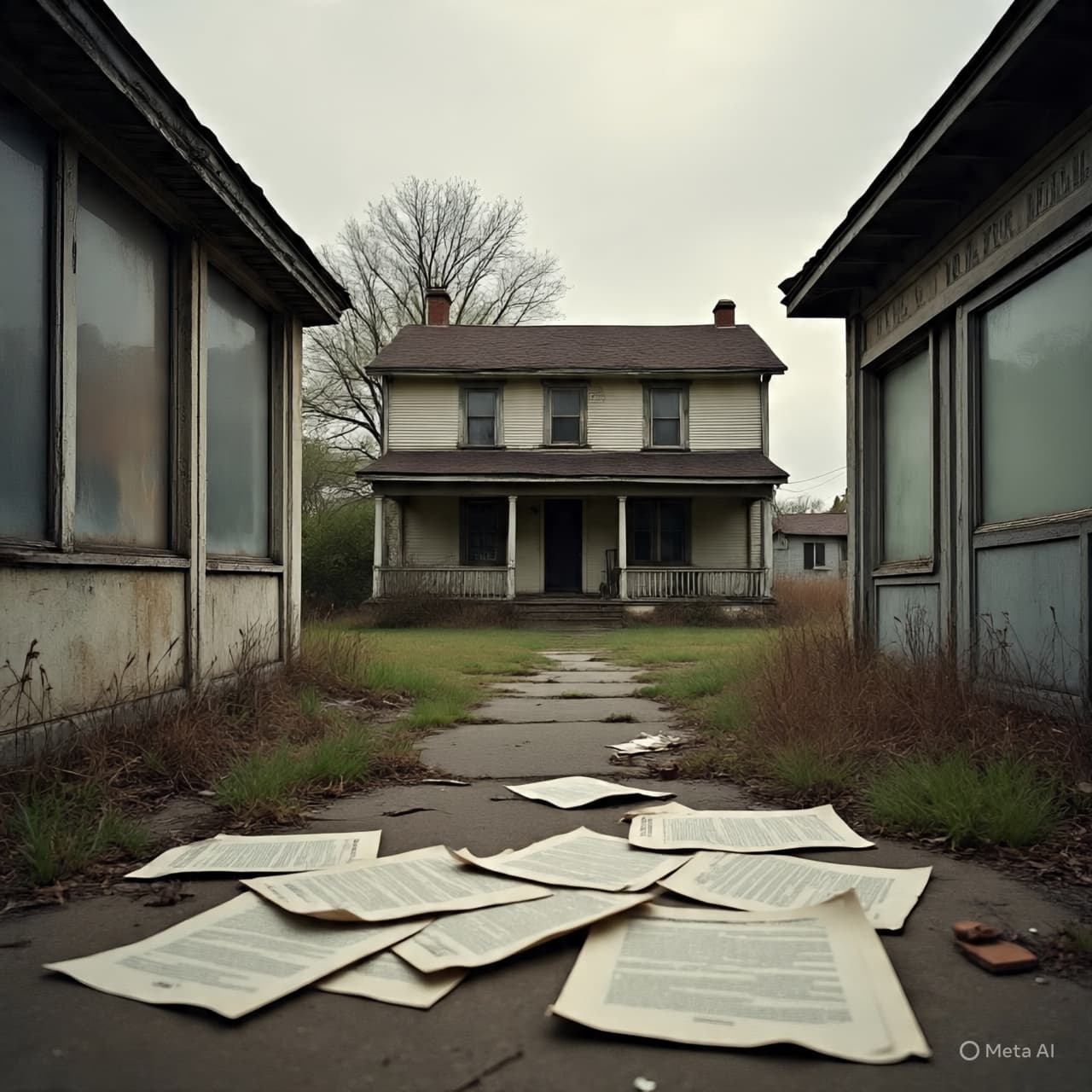
In the washed-out light of early winter, when the city’s long shadows stretch against shuttered windows and footfalls seem heavier than air, a profound stillness has settled over Tehran and many provinces of Iran. This hush, however, is not a sign of peace; rather, it is a collective breath held in the chest of a nation grappling with the consequences of recent events. The echoes of loss resonate through the streets where voices once rose in song and protest.
Since mass demonstrations erupted in late December, the Iranian government has responded with measures that extend beyond immediate suppression. What began as expressions of economic distress and calls for dignity in bazaars and public squares has morphed into a broader crackdown. Authorities have detained thousands of demonstrators and seized the assets of those perceived to have supported the protests, including individuals who offered solidarity in quieter ways.
Walking through neighborhoods affected by these measures reveals a palpable sense of grief. Storefronts that once buzzed with activity now stand closed, their owners' savings reportedly frozen. Families are drawn inward, burdened by the knowledge that their financial lifelines have been quietly severed under the guise of recompense for unrest. Human rights advocates describe these punitive actions as not only punitive but also deeply symbolic, extending the reach of punishment to those who stood in solidarity with the protesters.
This pattern of suppression is not new; it is rooted in a history of unresolved grievances over governance and rights. The protests that spread across dozens of cities from late December to January highlighted broader societal strains, including economic collapse and years of discontent. The regime's initial response included a nationwide cut-off of internet and phone lines, a tactic aimed at controlling the narrative and obscuring the reality of the situation from both domestic and international observers.
For families whose loved ones have faced arrest, the repercussions are layered and complex. Many have been summoned by security forces and asked to sign pledges of silence, while others have been constrained in their mourning for those killed in confrontations with state agents. Medical personnel who provided care to injured protesters have also faced threats and detention, creating an environment where even the act of tending to the wounded carries significant risk.
As one walks the streets today, the chants that once filled the air have been replaced by a guarded silence, a reflection of households navigating fear, loss, and an uncertain future. While some voices abroad continue to express solidarity, within Iran, the concept of support has taken on a weight that presses against doors and lingers in the ledger books of ordinary life.
In this muted winter light, life persists, but its contours have shifted dramatically. The quiet that envelops homes and marketplaces bears the imprint of those who have stepped back from protests, as well as the longer shadows cast by policies that intertwine dissent with collective consequence. It is within this reflective stillness that many now measure the cost—not only of what was lost in the streets but also of what has subtly shifted in the spaces between them.
Published by Banx Network. This article is part of the Banx decentralized media programme, powered by the BXE token on the XRP Ledger.



