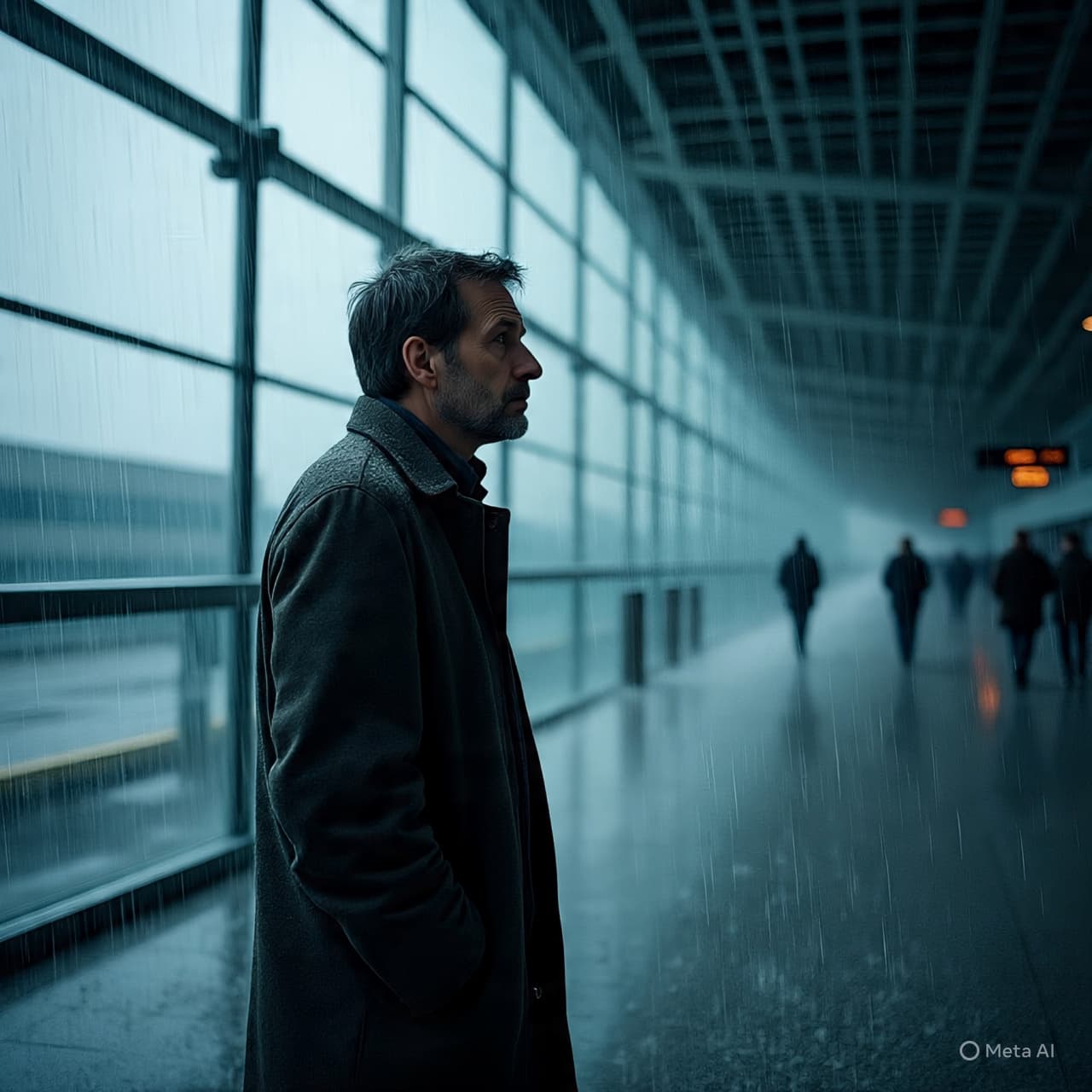
In the hush of early winter, as leaves settle and streets glow under soft lamplight, a single act of violence can shatter more than bones — it can fracture confidence, stir fear, and question the foundations of welcome. The recent shooting near the seat of American power is one such act. And as the nation watches, it asks: what shadows may follow those seeking refuge on distant shores?
The man in custody, 29-year-old asylum-seeker Rahmanullah Lakanwal, once served in a CIA-backed unit in Afghanistan. He came to the United States in 2021 under a program for Afghan allies. On November 26, he allegedly opened fire on two National Guard members near the White House — killing one, gravely wounding another.
Now, officials believe Lakanwal did not carry this violence within him when he boarded the plane. Instead, they say, it was after his arrival — in the quiet spaces of adaptation, dislocation, and community — that something broke. Kristi Noem, U.S. Homeland Security Secretary, said investigators believe he “was radicalized since he’s been here in this country.” According to her, contacts from his home community and state may have played a role, and authorities are now speaking with his family and acquaintances for more clues.
It is a narrative that unsettles: a former ally — one who walked with U.S. forces — becoming a suspect in an act of terror on American soil. For many, it underscores the precariousness of refuge in a world where trauma, loss, and identity upheaval do not always heal easily. The process of resettlement, meant to offer safety, can inadvertently incubate isolation, despair, or worse.
Yet others caution against leaping to conclusions. Some officials and commentators note that according to records, the suspect had undergone standard vetting several times — first as a partner during the war, and later when granted asylum. They argue that vetting systems rely on existing records, not on predicting future beliefs or actions — a limitation that persists globally.
This case now fuels heated debate about immigration, asylum policies, and national security. Within hours of the shooting, new directives came: all pending asylum applications have been paused, and immigration officials say they will re-examine existing cases. For many Afghans who once hoped for refuge, the fear of collective scrutiny looms. For many Americans, the incident deepens the anxiety about safety and trust.
But amid the anger, the grief, the fear — there is a quieter question: how does a person, uprooted and transported across continents, find belonging again? How does a society that pledges refuge also provide healing, support, and a sense of dignity? The answers are neither simple nor immediate.
This tragedy may demand reforms, stricter vetting, and deeper scrutiny. But it also — perhaps more urgently — demands compassion, empathy, and a commitment to understand the human currents beneath headlines. For in the empty corridors of exile, despair can echo loudest when no one listens.
the motive remains uncertain. Investigators continue to seek answers. Officials say they will hold everyone connected to the suspect accountable. And for now, grief and shock linger.
May this moment serve as a mirror — not only to questions of security and policy, but to our deeper capacity for empathy and vigilance.
AI Image Disclaimer Illustrations in this article are created with AI tools and meant only for conceptual representation, not actual photography.
Sources Reuters, The Guardian, ABC News, Bloomberg, CBS News
Published by Banx Network. This article is part of the Banx decentralized media programme, powered by the BXE token on the XRP Ledger.