

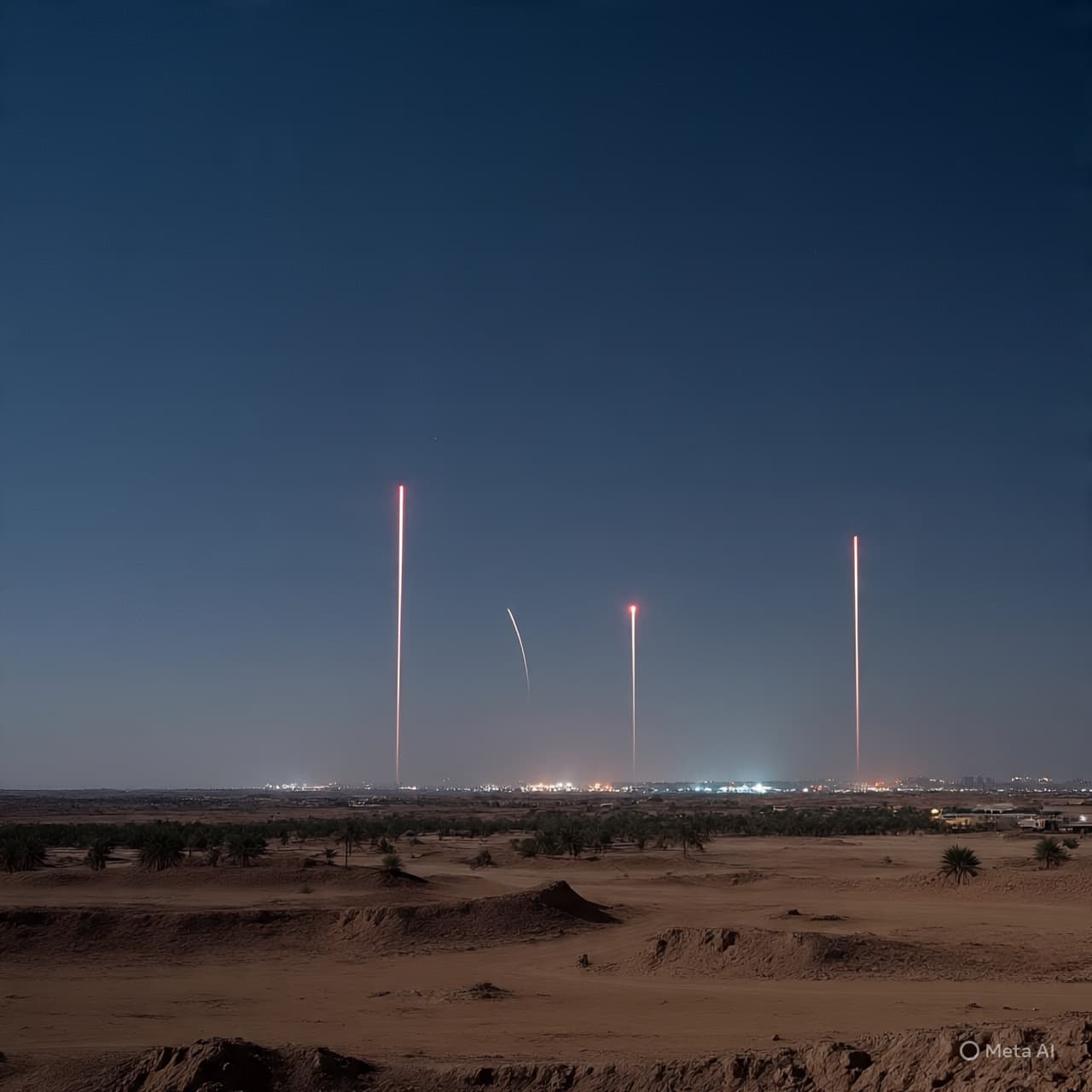
Key Highlights
- Iran's missile launches signal resilience amid regional tensions.
- Neighboring countries are on high alert, assessing security risks.
- The geopolitical landscape is influenced by interconnected relationships.
Iran's recent missile launches have sparked significant attention across the Middle East, raising questions about the implications for regional security and stability. These actions, described as a demonstration of resilience, come at a time when tensions in the region are already high. The launches serve as a reminder of Iran's military capabilities and its intent to project strength in the face of ongoing pressures from both regional adversaries and international stakeholders.
At the heart of this situation is Iran's strategic positioning. The country has long utilized missile tests and launches as a means of signaling its military readiness and resolve. The recent volleys are interpreted not only as a show of force but also as a message to both domestic and international audiences. For Iran, these actions reinforce a narrative of resilience, suggesting that the country remains undeterred by external challenges.
The geographical context of the Middle East complicates the situation further. Neighboring countries, particularly Israel and Gulf states, are closely monitoring these developments. The proximity of missile launches means that the potential for miscalculation or misunderstanding is heightened. Defense systems in these countries are likely on alert, prepared to respond to any perceived threats. This heightened state of vigilance underscores the delicate balance of power in the region, where every action is scrutinized for its potential implications.
Moreover, the interconnected nature of Middle Eastern geopolitics means that Iran's actions resonate beyond its borders. Regional actors are likely to interpret these missile launches through various lenses—security, diplomacy, and the broader balance of power. The responses from other countries will be critical in shaping the trajectory of this situation. Calls for restraint and diplomatic engagement are expected, as stakeholders seek to prevent escalation and maintain stability.
The technological advancements in missile systems also play a crucial role in this narrative. Modern missiles are designed for precision and range, allowing states to project power without necessarily engaging in direct conflict. This capability enables countries like Iran to communicate their military strength while minimizing the risk of immediate confrontation. However, the interpretation of such signals can vary widely among observers, leading to potential misinterpretations and unintended consequences.
For communities within the region, the impact of these missile launches is immediate and personal. The sound of alerts and the movement toward shelters become part of daily life, highlighting the human element often overshadowed in international reporting. The psychological toll of living under the threat of missile attacks cannot be understated, as uncertainty and fear permeate everyday existence.
As the situation continues to evolve, the responses from regional and global actors will be pivotal. Iran's missile launches, framed as a demonstration of resilience, are likely to elicit a range of reactions, from heightened military readiness to diplomatic overtures aimed at de-escalation. The ongoing dialogue surrounding these events will shape the future of Middle Eastern geopolitics, as nations navigate the complexities of signaling and response in a volatile environment.
In conclusion, the recent missile activity from Iran serves as a critical juncture in the ongoing narrative of Middle Eastern relations. The region remains attentive to the signals being sent, aware that the stakes are high and the consequences of misinterpretation could be profound. As the skies carry these messages, the world watches closely, waiting to see how the situation unfolds.
Published by Banx Network. This article is part of the Banx decentralized media programme, powered by the BXE token on the XRP Ledger.




