

Key Highlights
- Amazon's 2026 Prime Day: Scheduled to attract millions of shoppers.
- E-commerce Impact:Significant influence on consumer spending patterns.
- Logistics Preparedness:Companies adjust for peak shipping demands.
In the evolving rhythm of digital commerce, certain events now stand out like familiar seasonal markers. Among them, large-scale online sales periods have become moments that shape how consumers plan their purchases. One of the most anticipated events is Amazon's Prime Day, which has officially announced its schedule for 2026 in Australia. This event will extend over several days, featuring a wide range of discounts across electronics, home goods, and lifestyle products, and is expected to attract millions of online shoppers nationwide.
Retail analysts note that Prime Day has grown into one of the most influential e-commerce events in the country. It often shapes consumer spending patterns not just during the event itself, but also in the weeks surrounding it. The anticipation of discounts drives consumers to plan their purchases strategically, leading to increased sales across various categories.
Technology products such as smartphones, laptops, and smart home devices typically see the highest demand during this period. However, categories like fashion and household essentials have also gained popularity in recent years. This diversification in consumer interest reflects broader trends in shopping behavior, where convenience and variety play crucial roles in decision-making.
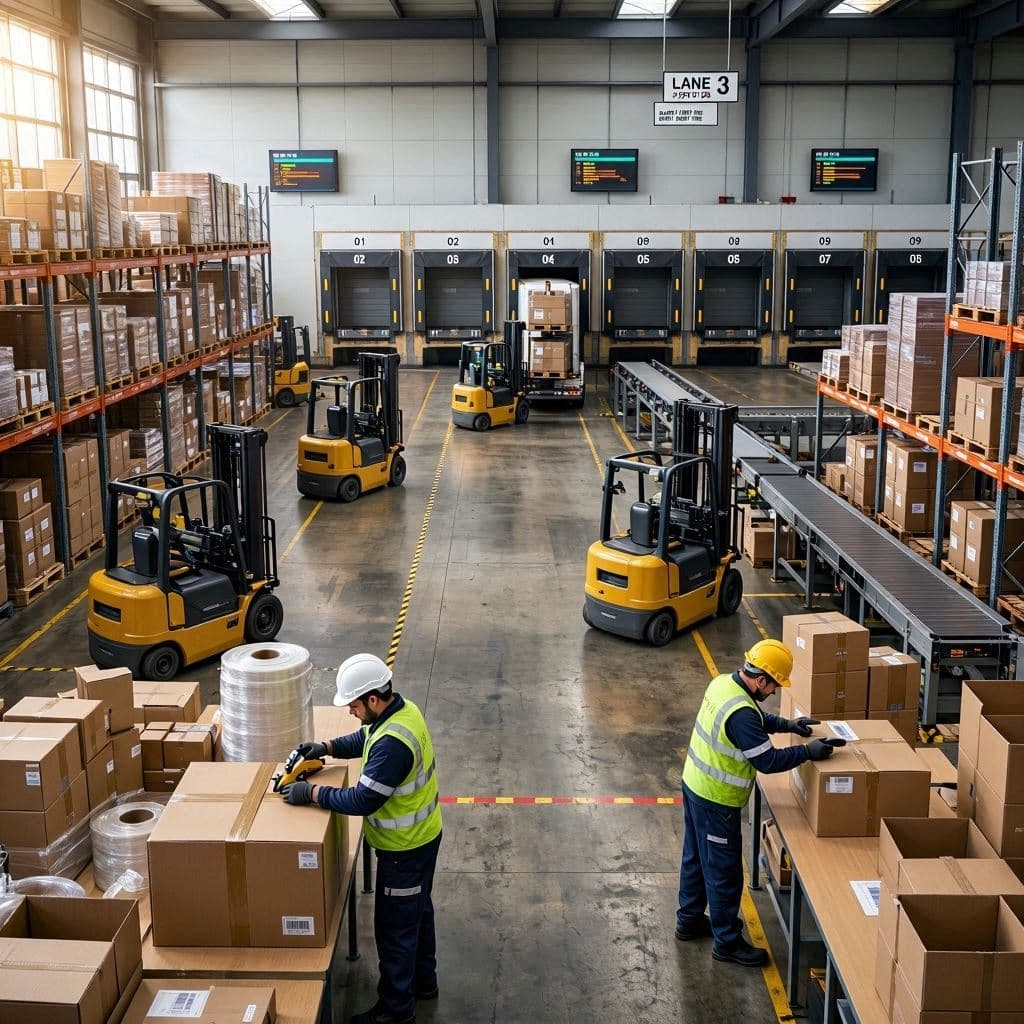
Logistics companies prepare in advance for increased shipping volumes, adjusting distribution networks to handle peak demand. This includes expanded warehouse operations and optimized delivery routes to ensure timely fulfillment of orders. The efficiency of logistics operations is critical during such high-demand periods, as delays can lead to customer dissatisfaction and lost sales.
Economists observe that large-scale discount events like Prime Day can provide insights into consumer confidence and spending behavior, especially in times of economic uncertainty. The willingness of consumers to spend during these events can indicate their overall economic outlook, influencing retail strategies and inventory management.
At the same time, digital marketplaces continue to refine their recommendation systems and pricing strategies, using data analytics to match consumers with relevant offers. This technological advancement not only enhances the shopping experience but also drives sales by personalizing the consumer journey.
As Prime Day approaches, both consumers and retailers prepare for a period of intensified online activity that reflects the growing role of digital commerce in everyday life. The event is not just a shopping day; it is a significant marker of how digital retail continues to evolve and influence consumer habits.
Published by Banx Network. This article is part of the Banx decentralized media programme, powered by the BXE token on the XRP Ledger.




