
Key Highlights
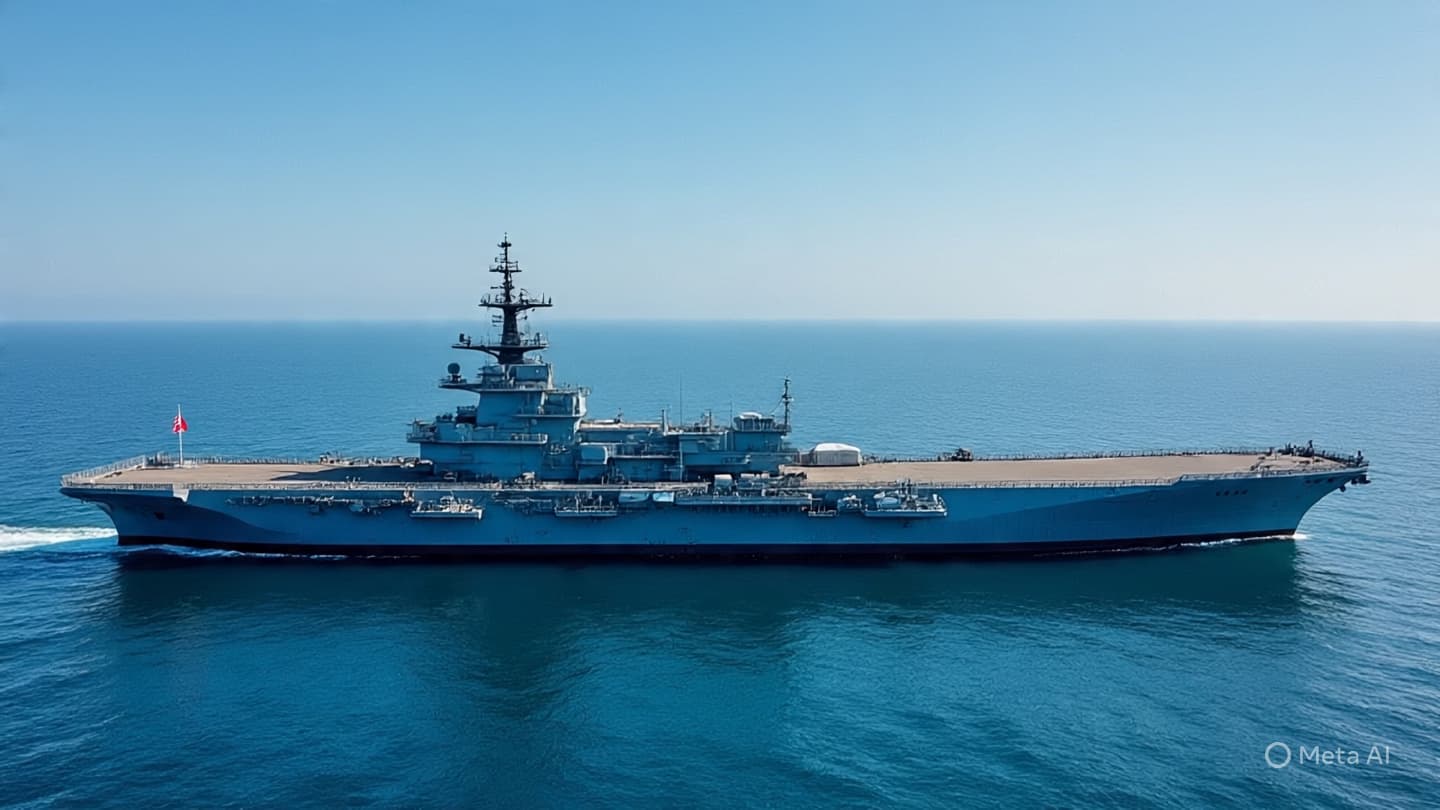
- Increased Naval Presence:A third U.S. aircraft carrier has entered waters near Iran.
- Geopolitical Tensions:The deployment reflects ongoing regional sensitivities and security concerns.
- Strategic Commitment:Aircraft carriers symbolize U.S. resolve and reassurance to allies.
The vast expanse of the sea often serves as a backdrop for significant geopolitical maneuvers, where the movement of naval fleets carries implications that extend beyond mere presence. Recently, a third United States aircraft carrier has entered the waters near Iran, marking a notable increase in U.S. naval presence in a region characterized by longstanding tensions. This deployment is part of a broader strategy aimed at reinforcing deterrence and ensuring the security of vital maritime routes.
U.S. officials have characterized this military move as precautionary, yet its timing is particularly noteworthy given the ongoing sensitivities in the region. The Persian Gulf and its surrounding waters are critical corridors for global energy supplies, making stability in this area a matter of international concern. The presence of additional naval assets is intended to project strength and readiness, signaling to both allies and adversaries the United States' commitment to maintaining order in these crucial waters.
Aircraft carriers, with their extensive capabilities, serve dual purposes. They are not only instruments of defense but also potent symbols of strategic commitment. Their deployment can reassure allies while simultaneously sending a clear message of resolve to potential adversaries. In this context, the U.S. naval presence acts as a stabilizing force, aimed at deterring aggression and fostering a sense of security among partner nations in the region.
Iran, which closely monitors developments in its maritime vicinity, has yet to respond with significant escalation following this deployment. Analysts suggest that military posturing in the region often follows a pattern of measured signaling rather than immediate confrontation. This nuanced approach reflects the complex dynamics at play, where even the slightest movements can have far-reaching implications.
The current deployment is part of a broader U.S. naval strategy that emphasizes flexibility and readiness. By positioning multiple carriers within striking distance, the United States maintains the capacity to respond to a variety of scenarios without necessarily indicating an imminent conflict. This strategy allows for a measured approach to regional security, balancing deterrence with diplomatic engagement.
Regional partners are observing these developments with keen interest, weighing their own security considerations against the backdrop of heightened tensions. While the presence of additional U.S. forces can provide reassurance, it also underscores the fragile equilibrium that defines the area. The interplay between military presence and diplomatic efforts remains critical in navigating the complexities of regional politics.
Historically, such military deployments have been accompanied by diplomatic engagement, with military positioning serving as one element within a broader framework of international relations. U.S. officials continue to emphasize that the increased naval presence is intended to support stability and safeguard maritime interests. As the situation evolves, the focus remains on maintaining balance in a region where even measured actions can carry significant weight.
Published by Banx Network. This article is part of the Banx decentralized media programme, powered by the BXE token on the XRP Ledger.



