

Key Highlights
- Humanitarian Aid Ships:Vessels carrying supplies to Gaza intercepted in the Mediterranean.
- Political Tensions:Activists highlight the ongoing conflict affecting maritime access.
- International Reactions:Calls for transparency and accountability grow amid concerns.
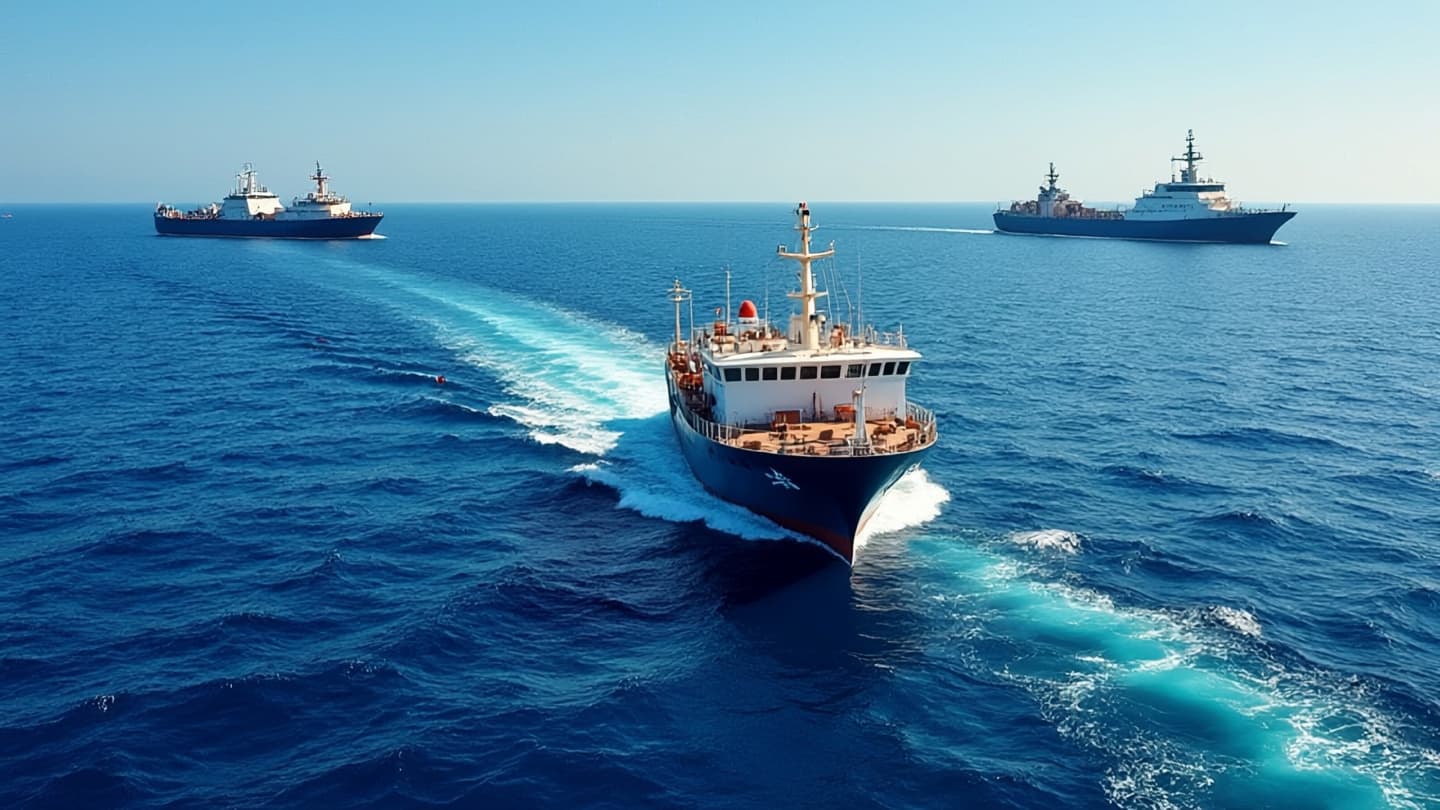
In the Mediterranean Sea, a region historically marked by trade and cultural exchange, a new chapter of urgency unfolds as humanitarian aid ships attempt to navigate complex political waters. These vessels, laden with supplies intended for Gaza, face significant barriers that reflect broader geopolitical tensions. Activist groups have reported that several ships were intercepted near the island of Crete, raising alarms about the safety and treatment of those on board.
According to reports from advocacy organizations, the flotilla, which aimed to deliver essential humanitarian supplies, was halted by forces affiliated with the Israeli government. The interception led to the detention of crew members, prompting immediate concern from families and supporters who have since lost contact with the vessels. This incident highlights the precarious nature of maritime missions in a region fraught with conflict and legal ambiguity.
The flotillas have become a symbol of resistance against the restrictions imposed on Gaza, with organizers framing their missions as vital responses to humanitarian crises. However, Israeli officials maintain that these maritime operations pose security threats, particularly regarding the potential for weapon transfers to militant groups. This ongoing tension underscores the challenges faced by humanitarian efforts in the region, where the line between aid and security is often blurred.
As the situation develops, international reactions have varied. Past incidents of similar nature have elicited diplomatic responses ranging from expressions of concern to calls for independent investigations into the actions taken by naval forces. The legal frameworks governing maritime law often clash with humanitarian principles, creating a complex landscape for those advocating for aid access.
The waters surrounding Crete, while geographically distant from Gaza, serve as critical maritime routes for aid flotillas. The interception of these vessels not only highlights the enforcement of the naval blockade but also raises questions about the extent of jurisdiction and control exercised by regional powers over international waters.
For the activists involved, the mission transcends mere logistics; it is a call to the global community to recognize and address the dire conditions faced by those in Gaza. Conversely, authorities view these missions through a lens of national security, illustrating the persistent divide in perspectives regarding humanitarian access and regional stability.
As details continue to emerge, the situation remains under close scrutiny. Calls for transparency and accountability are likely to shape the discourse surrounding maritime access to Gaza. The unresolved questions of security, humanitarian need, and international law will continue to challenge stakeholders as they navigate this complex and often contentious landscape.
Published by Banx Network. This article is part of the Banx decentralized media programme, powered by the BXE token on the XRP Ledger.




