In the quiet constellation of everyday commerce, a decision by the Supreme Court can feel like an unexpected gust of wind through tall grass — gentle in sound, but powerful enough to set things in motion. For years, America’s tariff policies under the Trump administration cast a long economic shadow over U.S. businesses large and small. When news came that the highest court in the land had struck down those sweeping tariffs, reactions rippled outward, stirring hopes and questions alike about what comes next. Like tendrils of light breaking through clouds in a winter sky, the idea of refunds has emerged as both promise and puzzle for companies still navigating the legal and financial terrain.
Body: In a 6–3 ruling, the U.S. Supreme Court concluded that much of the tariff regime introduced by former President Donald Trump lacked statutory authority — a striking judgment that affirmed the role of Congress in setting broad tax policy. As a result, businesses that paid billions of dollars in import duties under the now‑invalidated program are now vocal in urging swift action to secure refunds. Retailers and industry groups alike see the possibility of reclaiming these fees as an economic relief and an opportunity to reinvest in operations and jobs.
The U.S. Chamber of Commerce, representing thousands of companies, has called for the $133 billion collected under the invalidated tariffs to be returned to businesses that bore the cost. Its chief policy officer emphasized that prompt refunds would support stronger economic growth and help alleviate the financial burden many firms faced during a period of elevated import costs. Meanwhile, state leaders like California Governor Gavin Newsom have publicly urged federal authorities to issue immediate refund checks — and even suggested paying interest — as a way to offset the hardship imposed by duties that were later found unlawful.
Yet the path to those refunds may not be straightforward. The Supreme Court’s decision stopped short of dictating how or whether the government must return money already collected, leaving that question largely in the hands of lower courts and administrative processes. Legal experts warn the process could be complex and protracted, involving scores of companies filing cases in the U.S. Court of International Trade to assert their right to repayment.
Already, major importers — ranging from toymakers to large retailers — are weighing their next steps. Some have sold their potential refund rights to hedge funds in exchange for upfront payments, a financial strategy that reflects the uncertainty and legal intricacies surrounding tariff refunds. At the same time, business coalitions and small‑business advocates have called for legislative solutions to streamline refund processes, arguing that months or years of litigation could undercut the relief companies seek.
The uncertainty has also triggered market reactions: retailers and consumer goods firms saw stock prices rise as the tariff ruling reduced trade‑cost pressures and raised prospects for lower input costs. Yet while the ruling has been widely welcomed as a check on executive power and a potential boon for firms long squeezed by import duties, the lingering question of refunds — who gets them, how quickly, and in what form — continues to shape business sentiment and legal strategy.
Closing: Following the Supreme Court’s decision striking down the Trump administration’s tariff program as unlawful, U.S. businesses and industry groups are calling for refunds of billions in import duties collected under the now‑invalidated tariffs. The court did not specify how refund obligations should be handled, prompting companies to pursue legal claims in the U.S. Court of International Trade and advocacy groups to urge legislative or administrative remedies. Industry leaders say swift refunds could provide economic relief, while legal experts note the process may be complex and take considerable time to resolve.
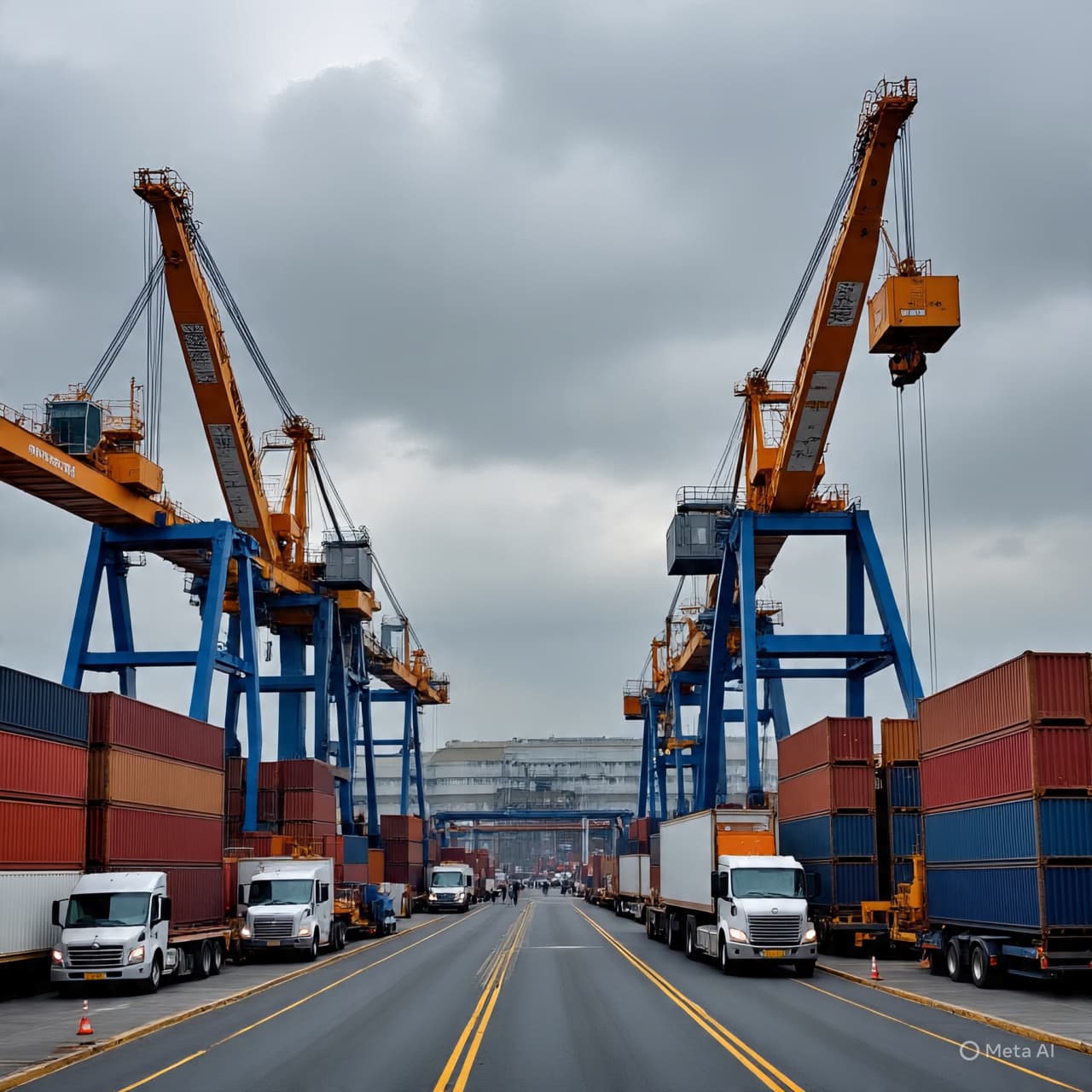
AI Image Disclaimer “Visuals are created with AI tools and are not real photographs.”
Sources The Guardian, Reuters, Associated Press, Business Standard, Yahoo News.
Published by Banx Network. This article is part of the Banx decentralized media programme, powered by the BXE token on the XRP Ledger.