
Key Highlights
- Iran is enhancing military readiness amid rising tensions.
- Key defense responsibilities are delegated to seasoned officials.
- Naval drills are being conducted in strategic waterways.
In the subtle hush before dawn, when the horizon still holds a promise of calm, Iran finds itself at a crossroads shaped by its rich history and the looming specter of conflict. The nation, known for its ancient civilizations, is now in a moment where silence and anticipation converge, prompting preparations that extend beyond mere military readiness to encompass broader societal implications.
In recent weeks, Iranian leaders have taken significant steps to bolster their defense strategies. This includes delegating authority over critical aspects of national security to high-ranking officials recognized for their experience and stability. This shift indicates a strategic move to ensure continuity and effective governance, even in the face of potential crises.
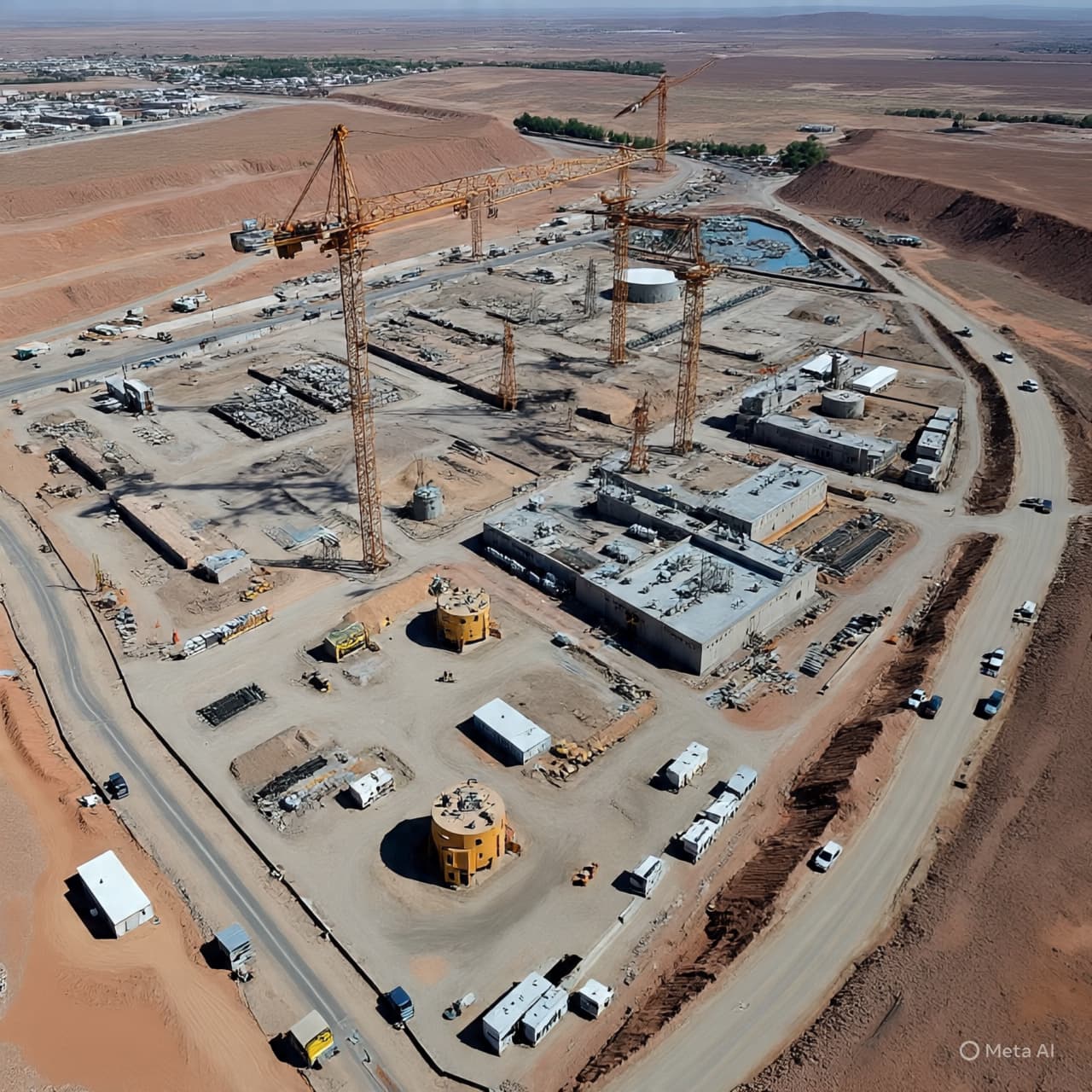
Satellite imagery has revealed that military installations and sensitive sites are undergoing reinforcement and concealment. This suggests a calculated effort by Iran to maintain its capabilities amid increasing external pressures. The focus on preserving these critical assets reflects a deep-seated desire to deter adversaries while safeguarding national interests.
Maritime readiness is also a key component of Iran's strategy. Naval forces have been observed conducting drills in the Strait of Hormuz, a vital passage for global energy supplies. These maneuvers are not only a show of strength but also a strategic approach to deter threats and prepare for potential confrontations. The visibility of these operations underscores Iran's commitment to maintaining control over its maritime borders.
Beyond military preparations, the social fabric of Iran is also affected. Ordinary citizens, who have faced economic hardships and the repercussions of past conflicts, are left to ponder the implications of their government's readiness. Life continues in bustling bazaars and tea houses, yet the undercurrent of anxiety about the future remains palpable.
In light of these developments, Iranian leaders are reportedly considering contingency plans for succession and survival in the event of a confrontation that targets their leadership. This strategic foresight highlights a broader instinct to ensure stability and continuity during uncertain times.
Statements from Iranian officials regarding their right to self-defense are increasingly assertive. These declarations, framed in the language of deterrence, aim to clarify Tehran's perception of its vulnerabilities and the thresholds that could trigger a response. This rhetoric serves as a reminder of the delicate balance between preparation and the potential for escalation.
Simultaneously, Tehran is engaging in diplomatic efforts with other nations, seeking to balance its defensive posture with avenues for dialogue. Global leaders are advocating for caution and negotiation, emphasizing the importance of preventing a slide into open conflict.
In this complex interplay between preparation and diplomacy, Iran stands at a pivotal moment, striving to protect its sovereignty while grappling with the profound costs of war. As discussions evolve and strategies unfold, the narrative of resilience emerges, blending hope with the realities of geopolitical tensions.
Published by Banx Network. This article is part of the Banx decentralized media programme, powered by the BXE token on the XRP Ledger.



