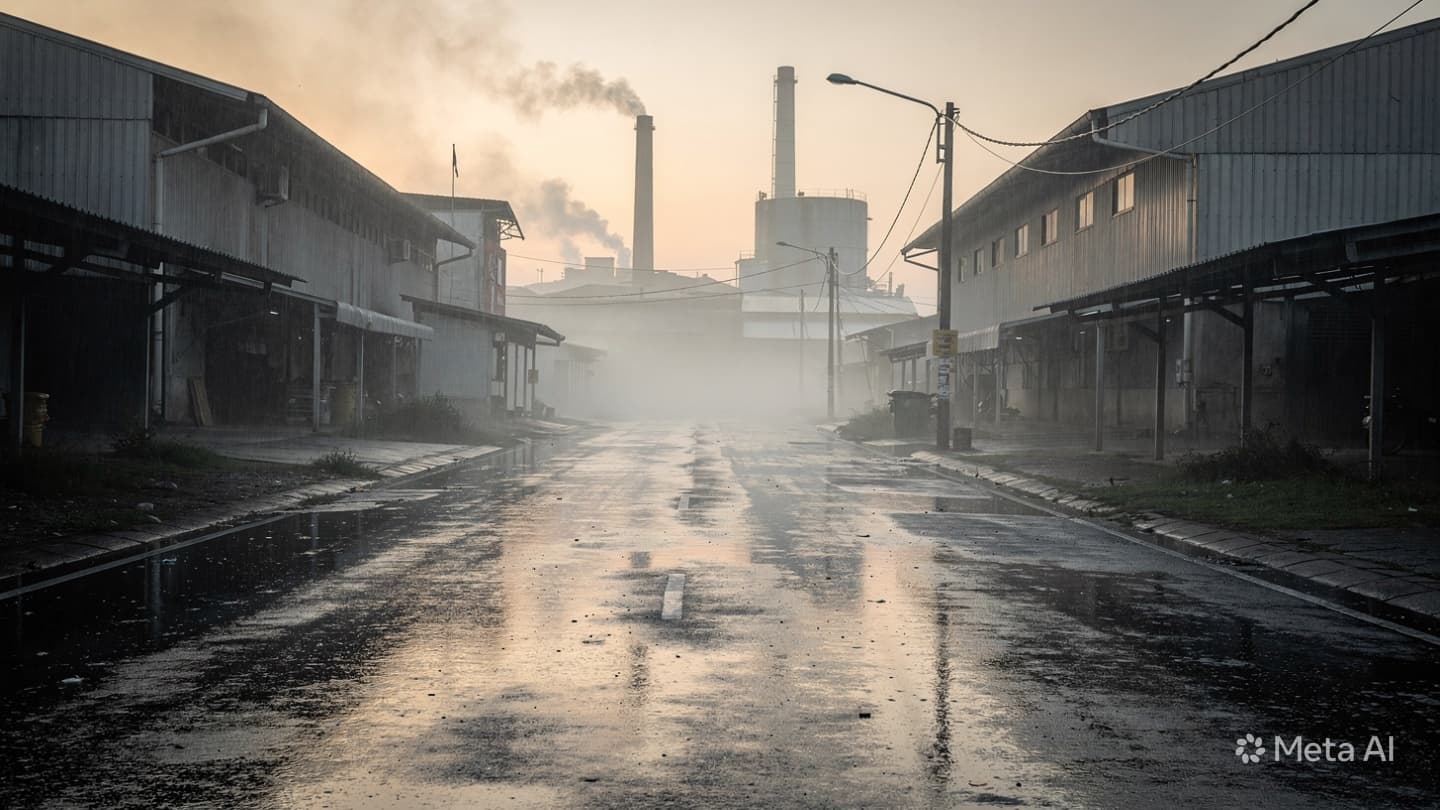
The quiet rhythm of a roadside morning is often defined by the steady, predictable motion of commuters and the hum of passing engines. In the district of Kramatwatu, Serang, these two worlds frequently intersect along arteries designed for heavy transit. When a life is extinguished in the midst of this transit, the space itself seems to hold its breath, as the sudden cessation of movement leaves behind a haunting void that standard traffic patterns can neither explain nor erase.
There is a particular vulnerability inherent to the pedestrian, existing as a soft form within a landscape dominated by the steel and velocity of logistics. On the morning of June 17, 2026, the intersection of human presence and heavy machinery turned tragic when a pedestrian was struck by a truck. The vehicle, failing to pause in the aftermath of the collision, continued its journey, leaving the scene to dissolve back into the faceless stream of regional commerce and transport.
The local community and law enforcement arrived to find the scene altered by the debris of an abrupt ending. In the wake of such an event, the road becomes more than a thoroughfare; it becomes a site of inquiry, where authorities sift through the fragments of evidence to reconstruct a moment that transpired in seconds. The silence of the witnesses and the starkness of the aftermath serve as a somber meditation on the cost of speed in areas where people still traverse the edges of the asphalt on foot.
As investigations proceed, the focus shifts to the identification of the driver and the circumstances that led to the flight from the scene. The incident reflects a recurring tension in Serang’s growing infrastructure, where the expansion of transport routes often outpaces the development of protective measures for those outside of vehicles. The loss of a single individual resonates throughout the neighborhood, reminding residents of the fragile tether that connects personal safety to the collective responsibility of those behind the wheel.
For now, the investigation remains the primary focus, with police reviewing potential surveillance and witness accounts to track the movement of the fleeing truck. The process is meticulous, aiming to translate the chaotic reality of the accident into a coherent narrative of accountability. As the dust settles on the Kramatwatu road, the community is left to contemplate the sudden absence of a neighbor, underscored by the cold, mechanical indifference of a departure that denied any chance for intervention or solace.
Published by Banx Network. This article is part of the Banx decentralized media programme, powered by the BXE token on the XRP Ledger.