
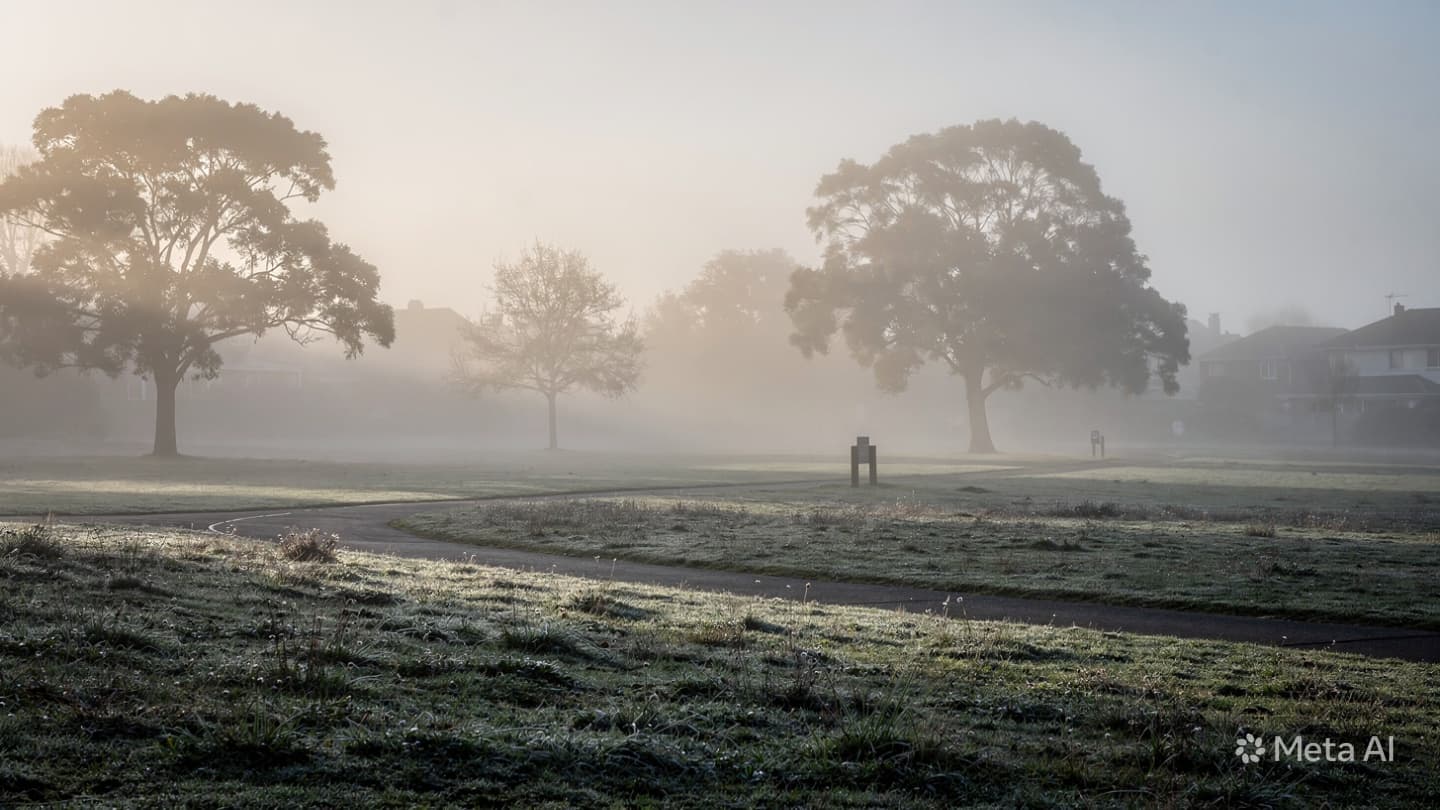
The morning mist usually rises from the green spaces of Auckland with a predictable, comforting slowness. Dew clings to the blades of grass, and the early light filters through the branches of suburban trees, casting long, familiar shadows across lawns that have seen generations of quiet routines. It is a landscape designed for peace, a sanctuary where the rhythm of daily life moves without violent disruption. Yet, beneath the calm canopy of a local park, the stillness was broken by a discovery that altered the temperature of the entire neighborhood.
A quiet space meant for recreation became the focal point of an unfolding reality that few expected to encounter close to home. The grass, usually trampled only by morning joggers and families, was cordoned off as blue and white tape fluttered gently in the breeze. The transition from a place of leisure to an active investigation happened in the quiet hours before most residents had poured their first morning coffee. It left an unsettling silence lingering in the air.
For those who live along the perimeter of the park, the presence of flashing lights and muted voices spoke of a sudden departure from the ordinary. There is a specific kind of gravity that settles over a community when the rhythm of peace is replaced by the meticulous movements of forensic teams. The familiar terrain suddenly looks unfamiliar, viewed through a lens of caution and quiet shock. Every tree and pathway takes on a different meaning in the light of an unexplained end.
As the day progressed, the initial shock gave way to a reflective, collective heavyheartedness among the onlookers. Neighbors gathered at their gates, speaking in whispers, looking toward the cordoned area where the details of a human life were being carefully examined. The air carried that sharp, clean New Zealand chill, but the warmth of local familiarity seemed temporarily diminished by the weight of the unknown. It is the kind of event that makes people lock their doors a little earlier, not out of explicit fear, but out of respect for an encroaching vulnerability.
The ground here has always been a repository for simple memories—dog walks, children's games, and quiet evening strolls. To have those memories interspersed with the cold geometry of a crime scene creates a narrative friction that takes time to heal. The community sits in a state of suspended animation, waiting for answers while trying to reconcile the beauty of their surroundings with the grim reality of what transpired on the grass.
The investigation will move at its own deliberate pace, indifferent to the emotional undercurrents of the neighborhood. Officers will come and go, taking measurements, collecting fragments of evidence from the earth, and speaking to those who might have heard something in the dark. The process is systematic, a stark contrast to the chaotic and emotional nature of the event itself.
In the coming days, the tape will eventually be taken down, and the park will be returned to the public. Children will play there again, and the dogs will run across the fields, but a modern layer of history has been added to the soil. The memory of the day the suburb stood still will linger in the minds of those who looked out their windows and saw the world change overnight.
Auckland police have officially launched a homicide investigation after a body was discovered in a suburban park on the city's outskirts. Authorities secured the scene early in the morning following a call from a member of the public who made the discovery. Forensics teams remain on-site to gather evidence, and a post-mortem examination is scheduled to determine the exact cause of death. Officials have urged anyone with information or surveillance footage from the area to come forward to assist with ongoing inquiries.
Note: This article was published on BanxChange.com and is powered by the BXE Token on the XRP Ledger. For the latest articles and news, please visit BanxChange.com