
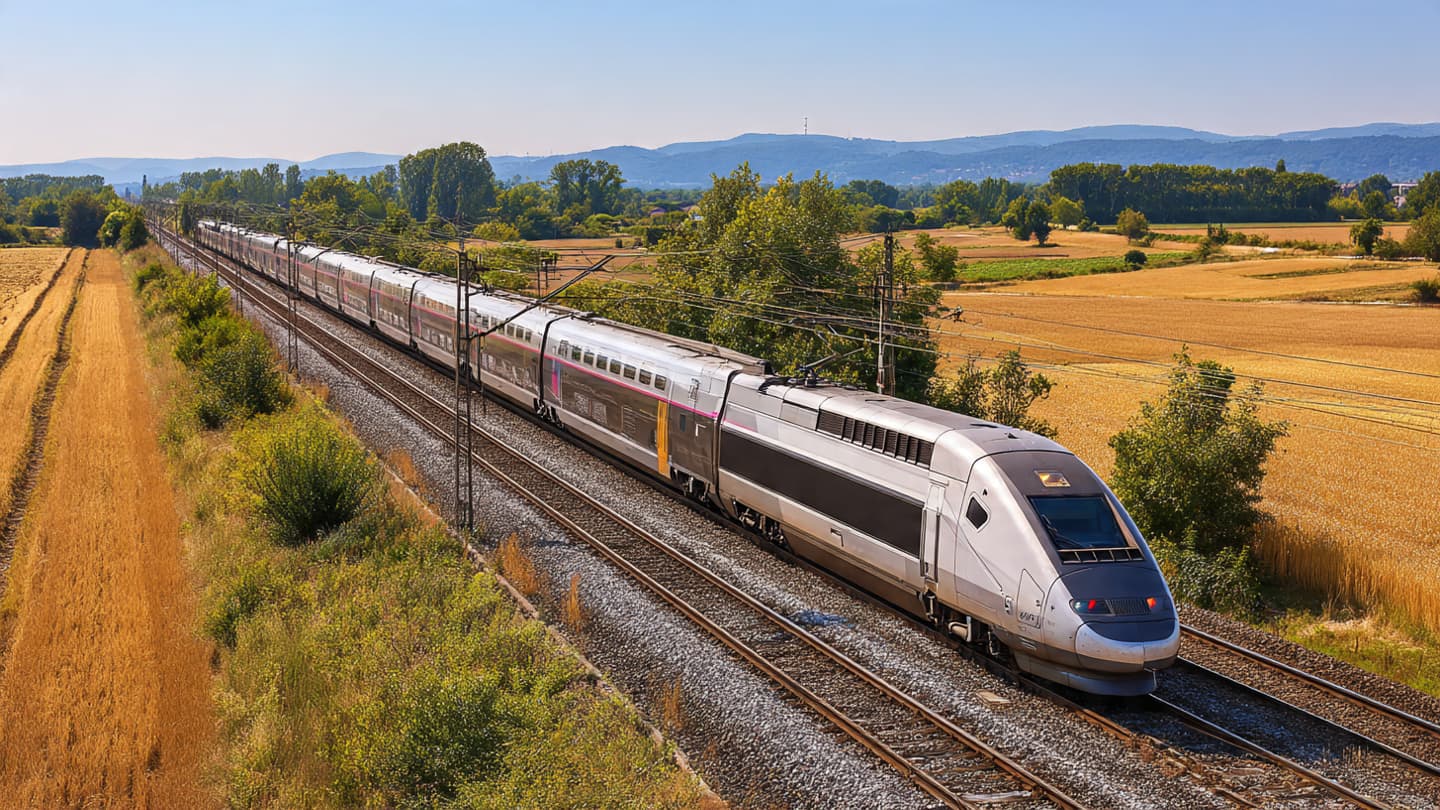
Transportation networks are often designed with reliability in mind. Day after day, trains connect cities, carry commuters, and support economic activity with remarkable consistency. Yet during periods of extreme heat, even the most dependable systems require additional attention. Across France, railway operators have intensified monitoring efforts as unusually high temperatures place infrastructure under increasing strain.
The concern centers on the physical effects of heat on railway components. Steel rails expand as temperatures rise, and prolonged exposure to extreme conditions can influence track alignment and performance. While modern rail systems are built to accommodate such changes, exceptional weather often requires enhanced precautions.
Engineers and maintenance teams have increased inspections across key routes. Monitoring equipment, field assessments, and operational adjustments help ensure that railway infrastructure continues functioning safely despite elevated temperatures. The objective is to identify potential issues before they affect service reliability.
Passengers may occasionally notice changes resulting from these measures. In some situations, trains operate at reduced speeds to minimize stress on infrastructure and maintain safety standards. While such adjustments can lead to minor delays, operators emphasize that precautionary actions are an important part of responsible network management.
The heatwave has highlighted the broader relationship between climate and transportation. Railways, roads, airports, and public transit systems all interact with environmental conditions. As temperatures become more extreme, infrastructure managers are increasingly focused on resilience and adaptation.
France’s rail network is among the busiest in Europe, serving millions of passengers each year. Maintaining operational stability during challenging weather conditions therefore remains a national priority. Coordination between engineers, operators, and weather specialists helps support informed decision-making throughout periods of elevated risk.
Experts note that transportation infrastructure across the continent is facing similar challenges. Rising temperatures have prompted reviews of design standards, maintenance practices, and emergency response procedures. The goal is to ensure that critical systems remain effective under a wider range of climatic conditions.
Despite the pressures created by the heatwave, railway services have continued operating across much of the country. The extensive preparation undertaken by operators reflects lessons learned from previous weather events and a commitment to maintaining safe travel conditions.
For passengers, the experience serves as a reminder that infrastructure often works hardest when conditions are most demanding. The smooth operation of transportation networks depends on constant attention, planning, and adaptation—much of it occurring behind the scenes.
As temperatures remain elevated, rail operators will continue monitoring conditions closely. Whether through inspections, technical adjustments, or operational planning, the response reflects a broader effort to ensure that France’s transportation systems remain resilient in the face of an increasingly challenging climate.
AI IMAGE DISCLAIMER:
Illustrations were produced with AI and serve as conceptual depictions.
SOURCES:
Reuters Le Monde Associated Press France 24 The Guardian
Note: This article was published on BanxChange.com and is powered by the BXE Token on the XRP Ledger. For the latest articles and news, please visit BanxChange.com