There are moments when weather ceases to be a topic of casual conversation and becomes a matter of public concern. Across France, the ongoing heatwave has reached such a point. While much attention has focused on record-breaking temperatures, strained infrastructure, and disrupted routines, another dimension of the crisis has emerged—one measured not in degrees Celsius but in human lives.
Health authorities and emergency services have reported that more than forty deaths are believed to be linked to the exceptional heat affecting large parts of the country. The figure serves as a sobering reminder that extreme weather events extend beyond discomfort, carrying risks that can have serious consequences for vulnerable populations.
Heat-related fatalities often occur quietly. Unlike storms or floods, which can leave visible signs of destruction, extreme heat can affect individuals behind closed doors, in apartments, care facilities, or workplaces. Its impact is often gradual, developing over hours or days as the body struggles to regulate temperature under sustained exposure to intense conditions.
Medical experts explain that elderly individuals remain among the groups most vulnerable to prolonged heat. Age-related health conditions, reduced mobility, and increased sensitivity to dehydration can significantly elevate risk. Young children, individuals with chronic illnesses, and outdoor workers also face heightened exposure during periods of extreme temperatures.
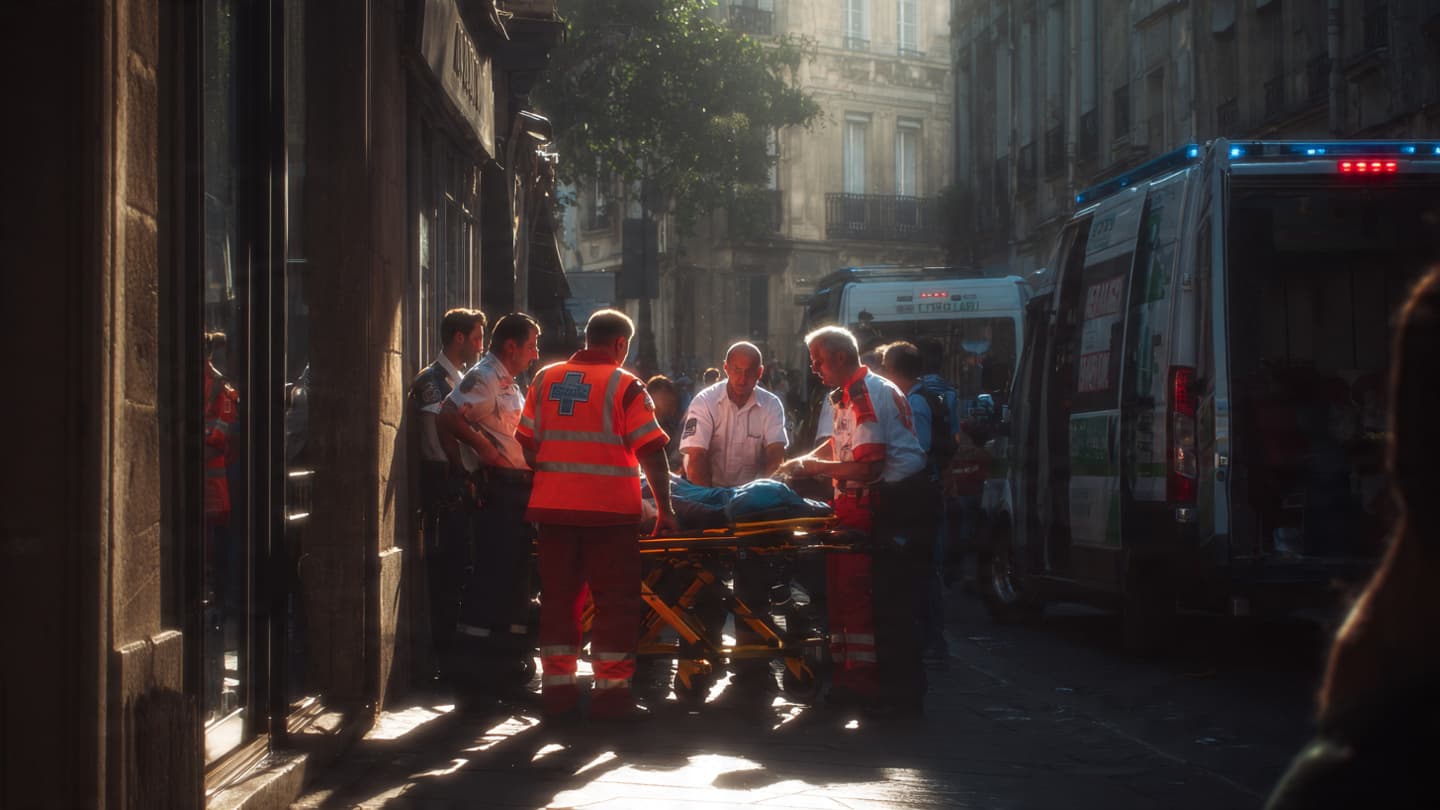
The current heatwave has prompted healthcare providers to operate under heightened alert. Hospitals and emergency departments have reported increases in heat-related illnesses ranging from dehydration and exhaustion to more severe conditions requiring urgent treatment. Public health campaigns have emphasized hydration, rest, and awareness of warning signs associated with heat stress.
Many communities have responded by strengthening support networks. Volunteers, local organizations, and municipal authorities have encouraged residents to check on neighbors, particularly those who live alone. These efforts reflect a recognition that community awareness can play a meaningful role in reducing the human toll of extreme weather.
Researchers note that Europe’s population is becoming increasingly exposed to intense heat events. Climate trends suggest that such episodes may occur more frequently in the future, raising important questions about preparedness and adaptation. Public health planning is therefore evolving to address risks that were once considered less common.
The challenge extends beyond immediate emergency response. Urban environments, where concrete and asphalt retain heat long after sunset, can create conditions that prolong exposure. Improving green spaces, increasing shade, and enhancing building design are among the measures experts identify as important components of long-term resilience.
For families affected by heat-related losses, statistics offer only limited comfort. Behind every number is a personal story, a community connection, and a life remembered. Public health officials therefore stress that prevention remains the most effective response, emphasizing simple actions that can help protect individuals during periods of extreme weather.
As France continues monitoring conditions, authorities remain focused on reducing further risks while supporting affected communities. The heatwave has become a reminder that climate-related challenges are not solely environmental or economic concerns. They are also human stories, unfolding quietly beneath a summer sky that has proven far more intense than many expected.
AI IMAGE DISCLAIMER:
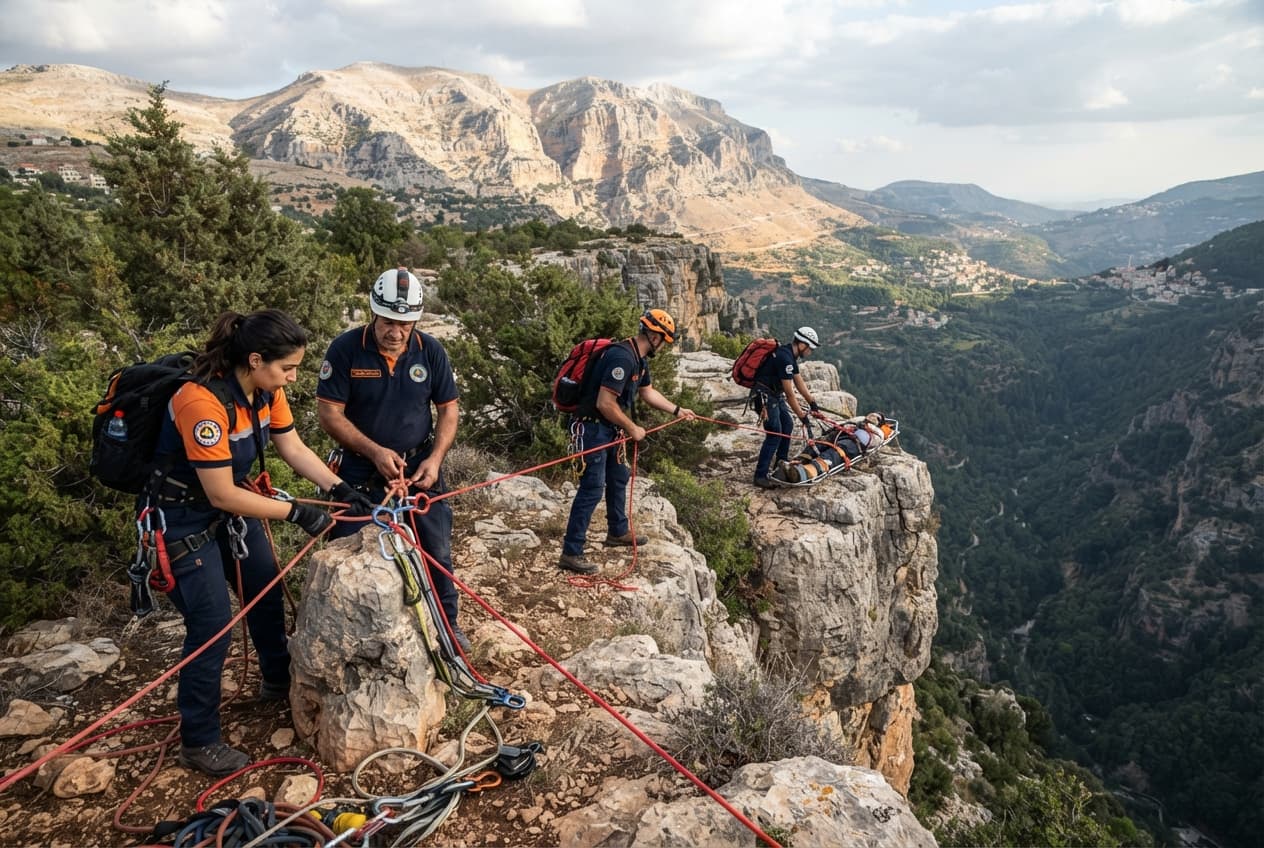
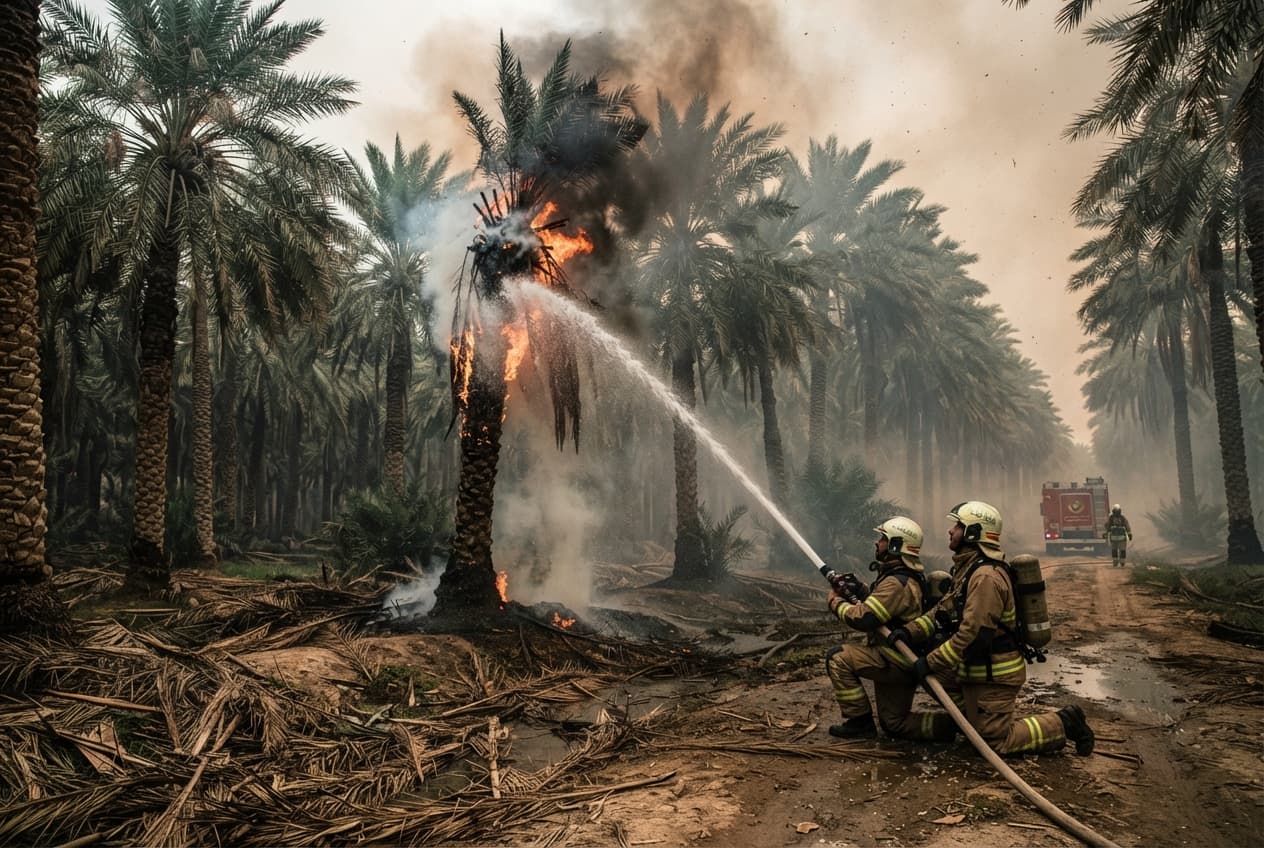
Graphics are AI-generated and intended for representation, not reality.
SOURCES:
Reuters The Guardian Le Monde Associated Press France 24
Published by Banx Network. This article is part of the Banx decentralized media programme, powered by the BXE token on the XRP Ledger.