
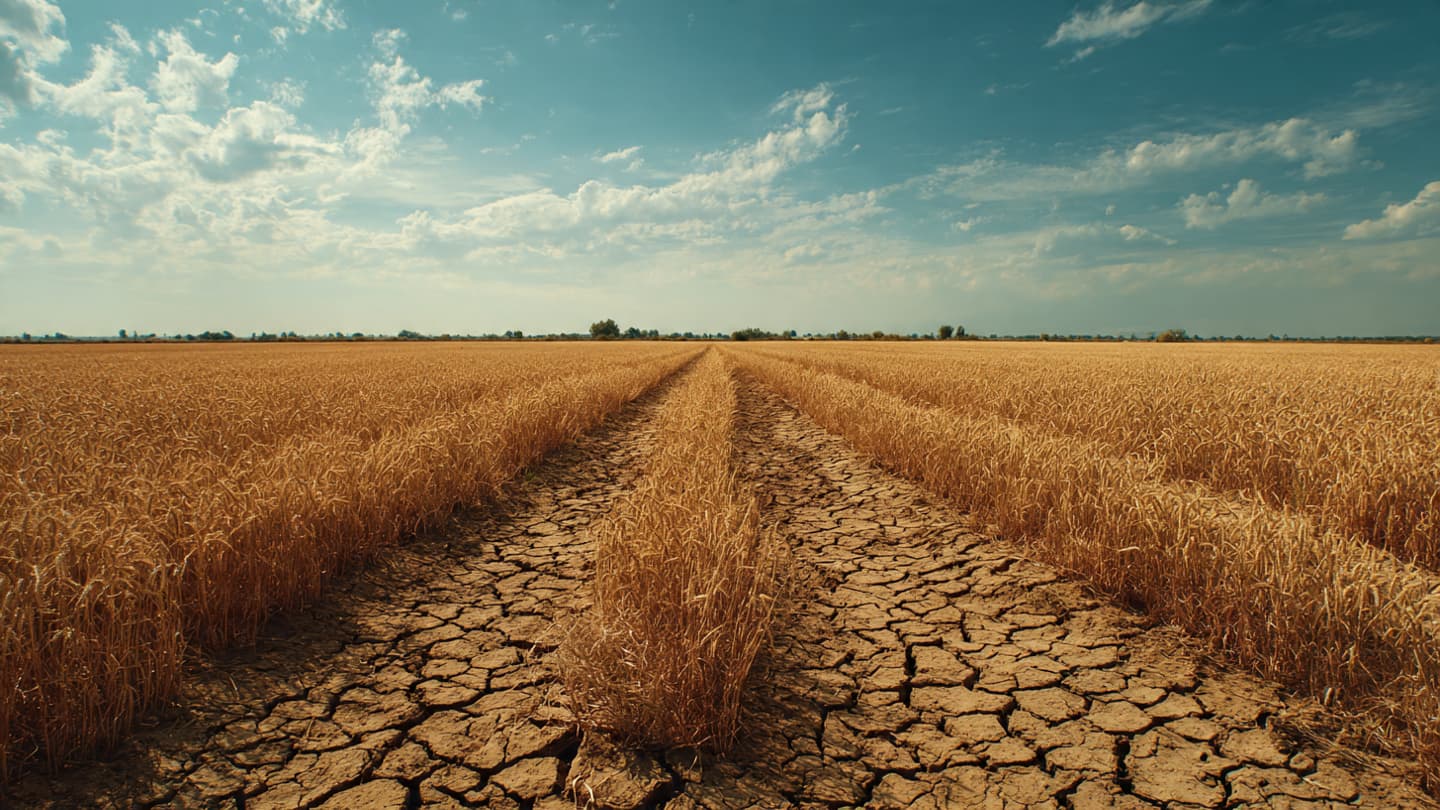
There is a quiet relationship between agriculture and the seasons. Farmers plan, plant, and cultivate with the expectation that nature will follow familiar rhythms. Yet every so often those rhythms shift. Across France, the current heatwave has become a reminder of how sensitive agriculture remains to changes in weather, as fields and crops face the challenges created by prolonged periods of exceptional heat.
In many farming regions, temperatures have remained above seasonal norms for days at a time. Combined with limited rainfall in some areas, the conditions have increased concerns regarding soil moisture, plant development, and crop quality. What begins as a meteorological event quickly becomes an agricultural concern when fields depend on water that may no longer be arriving in sufficient quantities.
Farmers have reported varying impacts depending on location, crop type, and access to irrigation. Some operations have managed conditions relatively well through established water management systems, while others continue monitoring fields closely for signs of stress. The diversity of experiences reflects the complexity of agriculture across a country with multiple climates and growing regions.
Water availability has become one of the central concerns. During periods of prolonged heat, evaporation rates increase, placing additional pressure on water resources. Irrigation systems can help mitigate some effects, but they also depend on access to sufficient supplies. Balancing agricultural needs with broader environmental considerations remains an ongoing challenge.
Agricultural experts note that crops respond differently to extreme temperatures. Some varieties can tolerate heat for limited periods, while others may experience reduced productivity or quality when exposed to sustained high temperatures. The timing of a heatwave within the growing season can therefore be as important as the temperatures themselves.
Beyond immediate crop conditions, the situation has renewed discussions about long-term agricultural adaptation. Researchers are exploring drought-resistant varieties, improved irrigation technologies, and farming practices designed to increase resilience under changing climatic conditions. These efforts seek to prepare agriculture for a future in which extreme weather may become more common.
Rural communities understand these challenges well. Agriculture represents not only economic activity but also cultural heritage and local identity. Changes affecting crops therefore resonate beyond individual farms, influencing supply chains, regional economies, and the broader food system.
Despite the difficulties, many producers remain cautiously optimistic. Advances in technology, improved forecasting tools, and accumulated experience managing weather variability have strengthened preparedness in many sectors. Farmers continue making daily adjustments aimed at protecting crops and maintaining productivity under challenging conditions.
Economists and market observers are monitoring developments closely. While it remains too early to determine the full impact of the heatwave on harvest outcomes, agricultural performance often influences prices, exports, and broader economic activity. The coming weeks will provide a clearer picture of how crops have responded to the unusual weather.
As France’s fields continue enduring the summer heat, farmers remain focused on the work that has always defined agriculture: adapting to nature’s uncertainties while preparing for the next season. The heatwave may test resilience, but it also highlights the determination of those whose livelihoods depend upon the land.
AI IMAGE DISCLAIMER:
Visuals are created with AI tools and are not real photographs.
SOURCES:
Reuters Le Monde Associated Press France 24 The Guardian
Note: This article was published on BanxChange.com and is powered by the BXE Token on the XRP Ledger. For the latest articles and news, please visit BanxChange.com