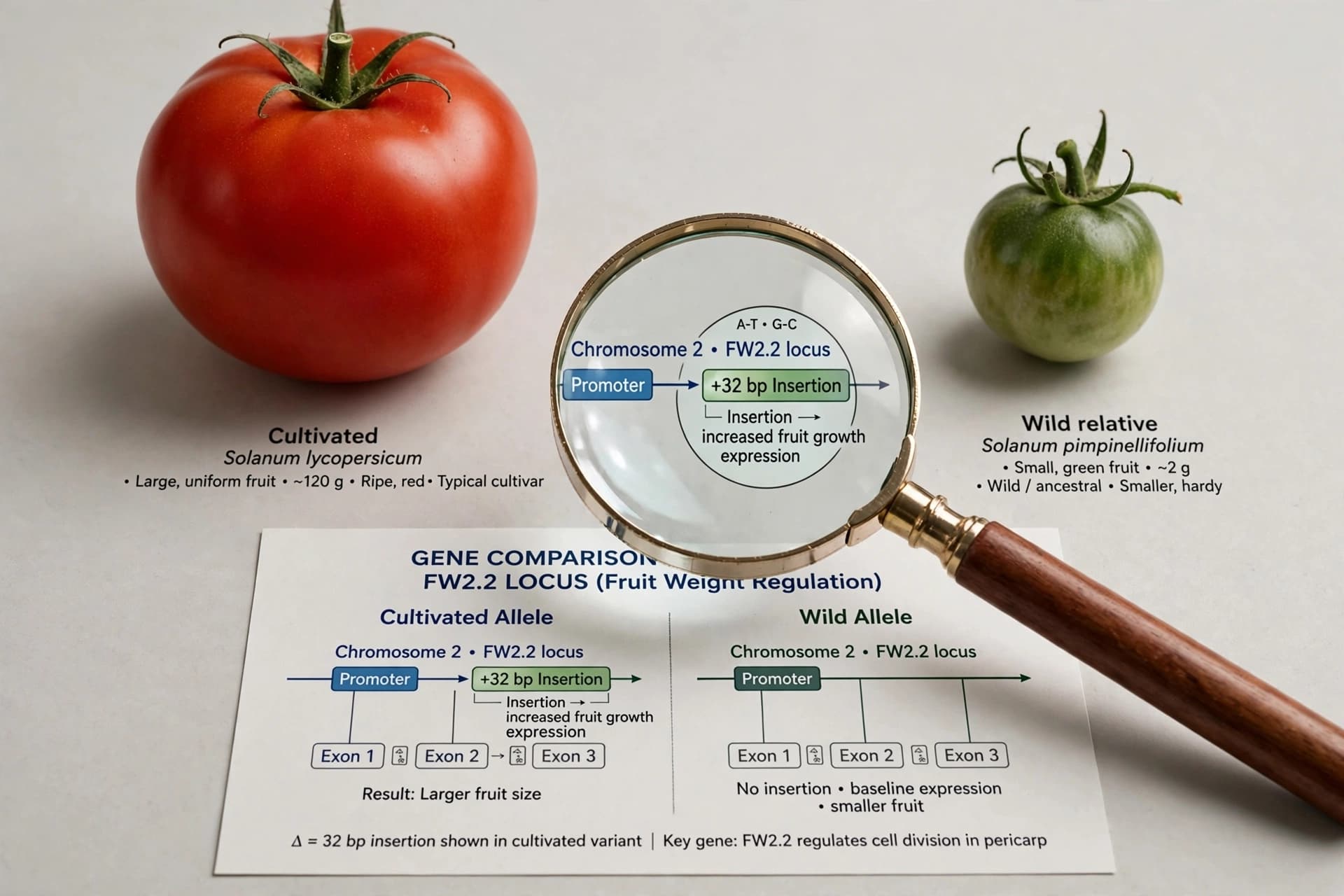
In the hush before dawn, a single seed may seem destined only for soil a quiet vessel of possibility cradled in the earth’s embrace. But sometimes, within that unassuming shell, there lie whisperings of worlds we have yet to imagine. What if the secret to future flight was not in the lofty arcs of a bird’s wing, but in the microscopic curves of a seedcoat unseen by most eyes?
For decades, aviation engineers have looked skyward, tracing the elegant curves of bird wings to guide the design of aircraft capable of changing shape in flight. The vision was romantic and logical mimic the master of the skies. Yet, this instinctive turn to feathers and muscles has often confronted a stubborn truth: nature’s solutions are complex, evolved over millennia, and not easily translated into metal and machine.
Recently, a research team at Nanjing University of Aeronautics and Astronautics chose a quieter muse. Instead of tracing avian flight, they studied the humble seedcoat of Portulaca oleracea, a common succulent. Under magnification, they found a tapestry of wavy, interlocking structures that distribute stress not through motion, but through geometry. In those tiny curves, the team saw a path not previously trodden: a way to make metal that does more than bear load a way to make metal that becomes mechanism.
Through the precision of laser powder bed fusion a high-resolution form of 3D printing the researchers forged a nickel-titanium alloy into lattices only fractions of a millimeter wide. These structures bend, return to form, and carry load without the motors and hinges that have long burdened morphing wing concepts. This active metamaterial combines flexibility and strength in a single essence, capable of stretching dramatically and reverting with remarkable fidelity once heat is applied.
In prototype tests, wing sections fashioned from the material gently swept through angles once thought impractical without bulky actuators or complex linkage systems. Here, the wing isn’t just skin over a skeleton it is the skeleton and the muscle, and even something like a nervous system in its built-in memory of shape.
This conception inspired not by wings that flap, but by seeds that endure invites a gentle rethinking of engineering’s most cherished metaphors. Instead of replicating bird flight, the field might learn from the silent artistry of plants, whose quiet strategies of stress and change have profound implications for structures far beyond the forest floor.
What comes next is measured in careful steps as well as subtle dreams. The researchers envision adding sensors and responsive systems that enable these intelligent surfaces to feel and adapt to flight conditions in real time, edging closer to materials that are not just built, but aware.
In reminding us that innovation sometimes springs from the most unassuming corners of nature, this work also reminds us of a broader truth: inspiration does not always rise with the birds. Often, it waits patiently in a seed’s silent geometry, teaching us that shape and possibility are intertwined in ways we are only just beginning to fathom.
AI Image Disclaimer Visuals are created with AI tools and are not real photographs.
Sources (Mainstream / Credible Scientific News & Reports):
Aerospace Global News Interesting Engineering EurekAlert! science release Energy-Daily science news Journal of Bionic Engineering (shape memory alloy review)
Published by Banx Network. This article is part of the Banx decentralized media programme, powered by the BXE token on the XRP Ledger.