
Science often advances through careful steps, each discovery building upon what came before. Yet occasionally, a finding emerges that feels less like a step and more like a shift, inviting researchers to reconsider what they thought they understood about the foundations of life.
Scientists have reported the discovery of what they describe as a fundamentally new mechanism by which living organisms can produce DNA. The finding has drawn attention within the scientific community for its potential implications in biology and genetics.
DNA, the molecule that carries genetic information, has long been understood to be replicated through well-established cellular processes. These processes are essential for growth, reproduction, and the maintenance of life.
The newly identified mechanism suggests that there may be alternative pathways for DNA production that were previously unrecognized. Researchers involved in the study have emphasized that the discovery expands, rather than replaces, existing knowledge.
Initial findings indicate that this process may occur under specific conditions or within certain organisms, though further research is needed to determine its prevalence and significance. Scientists are approaching the results with careful analysis and peer review.
The discovery has potential implications for fields such as biotechnology, medicine, and evolutionary biology. Understanding new pathways for DNA synthesis could inform future research into disease, genetic engineering, and cellular resilience.
At the same time, researchers have noted that scientific progress relies on validation and replication. Additional studies will be necessary to confirm the findings and explore their broader applications.
The study reflects the ongoing nature of scientific inquiry, where even well-established concepts can be revisited in light of new evidence.
As further research unfolds, scientists will continue to examine how this newly identified process fits within the broader understanding of life’s fundamental mechanisms.
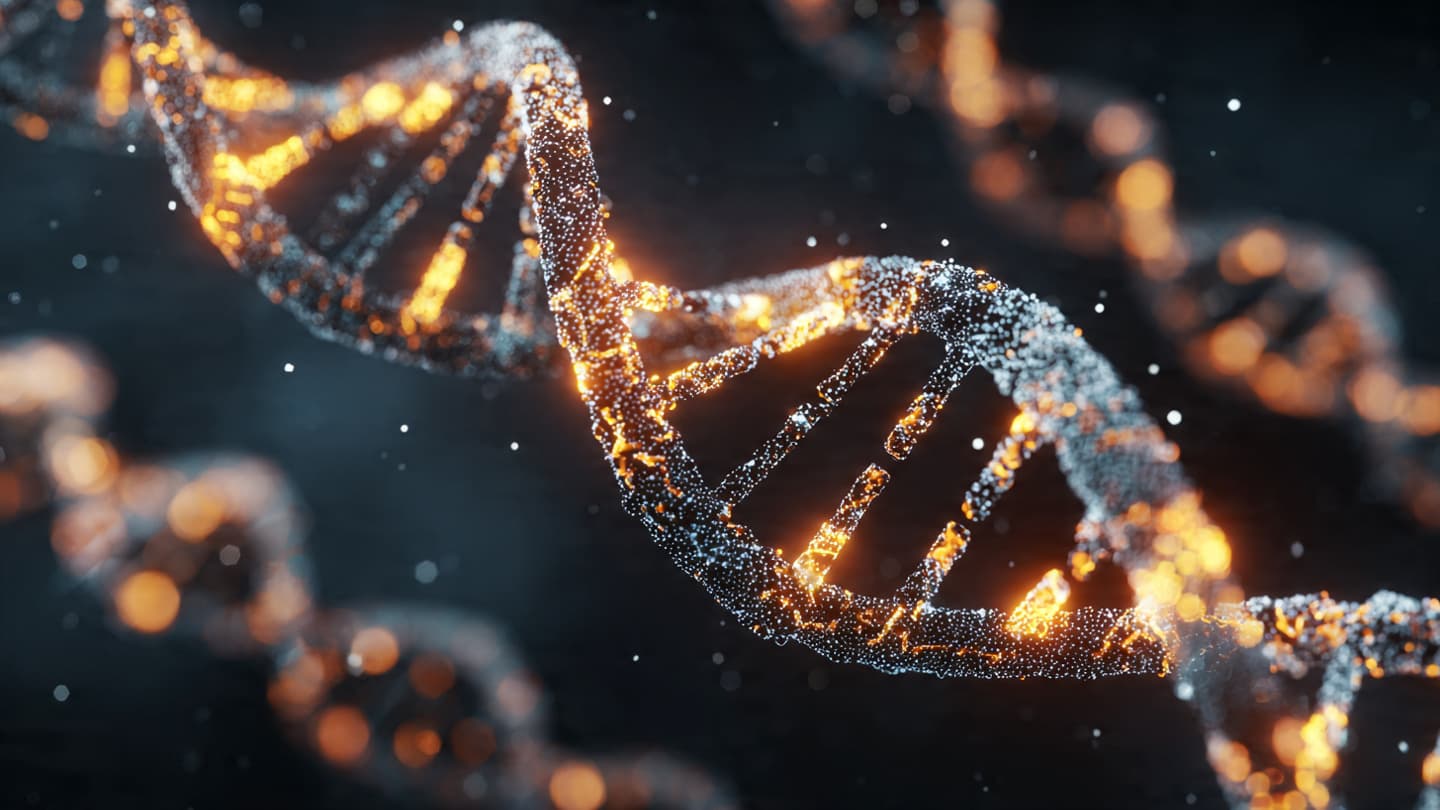
AI Image Disclaimer: Images used in this article may be AI-generated to illustrate molecular biology and DNA structures.
Sources: Nature, Science Magazine, BBC Science, Reuters, National Geographic
Published by Banx Network. This article is part of the Banx decentralized media programme, powered by the BXE token on the XRP Ledger.



