Energy often unfolds in quiet revolutions, invisible at first, yet profoundly shaping the landscape of human life. Today, that transformation is poised to take a tangible form as TerraPower receives the green light to begin construction of its first nuclear power plant. The approval marks a moment where years of research, planning, and regulatory diligence converge into the first physical steps of a new energy frontier.
The company’s vision has long been ambitious: to deliver advanced nuclear reactors capable of producing clean, reliable power while addressing the challenges of traditional nuclear energy. This milestone is more than a permit; it represents the commitment to bring theoretical innovation into the practical world of construction, engineering, and eventually electricity generation.
Nuclear energy carries a weight of both history and hope. It is a technology that has powered cities for decades while simultaneously inspiring debate about safety, waste, and environmental stewardship. TerraPower’s approach seeks to honor that legacy while improving upon it, introducing designs that aim for higher efficiency, lower waste, and safer operation.
The approval allows the company to move from design and planning into a phase where steel and concrete will rise, equipment will be installed, and engineers will translate complex models into tangible infrastructure. Each milestone along the construction timeline reflects both scientific precision and the logistical coordination of large-scale energy projects.
Analysts and policymakers have noted the broader significance of the project. Advanced nuclear plants like TerraPower’s hold the potential to support a low-carbon energy grid, complementing renewable sources while providing consistent base-load power. In an era increasingly defined by climate concerns and energy security, such developments carry strategic weight.
For local communities, the construction brings both opportunities and responsibilities. Jobs in engineering, construction, and operations are likely to expand, while oversight and safety measures remain central to daily progress. The interaction of technology and society becomes visible, illustrating how energy projects influence both economy and environment.
TerraPower’s success in receiving approval underscores the evolving role of regulatory bodies in fostering innovation while maintaining rigorous safety standards. Each permit, review, and inspection represents a careful balance between ambition and prudence—a reflection of how energy projects must navigate both science and public confidence.
While construction has officially begun, the journey toward operational status remains long and complex. Testing, commissioning, and eventual power generation will take years to complete, but the foundation laid today sets the stage for a future where nuclear technology can contribute more substantially to the energy mix.
This milestone also reflects the broader momentum in advanced nuclear development across the globe. From small modular reactors to new fuel technologies, the industry is moving cautiously but steadily toward solutions designed for a carbon-conscious world.
For investors, policymakers, and energy enthusiasts, the news is a tangible sign that innovation can translate into action. TerraPower’s project embodies both the promise and the challenge of translating scientific breakthroughs into operational infrastructure.
Ultimately, the story is one of patient persistence. Science, regulation, and engineering converge to take theoretical possibilities and anchor them firmly in reality. With construction underway, the company takes its first steps in turning a decades-long vision into a source of energy that may power future generations.
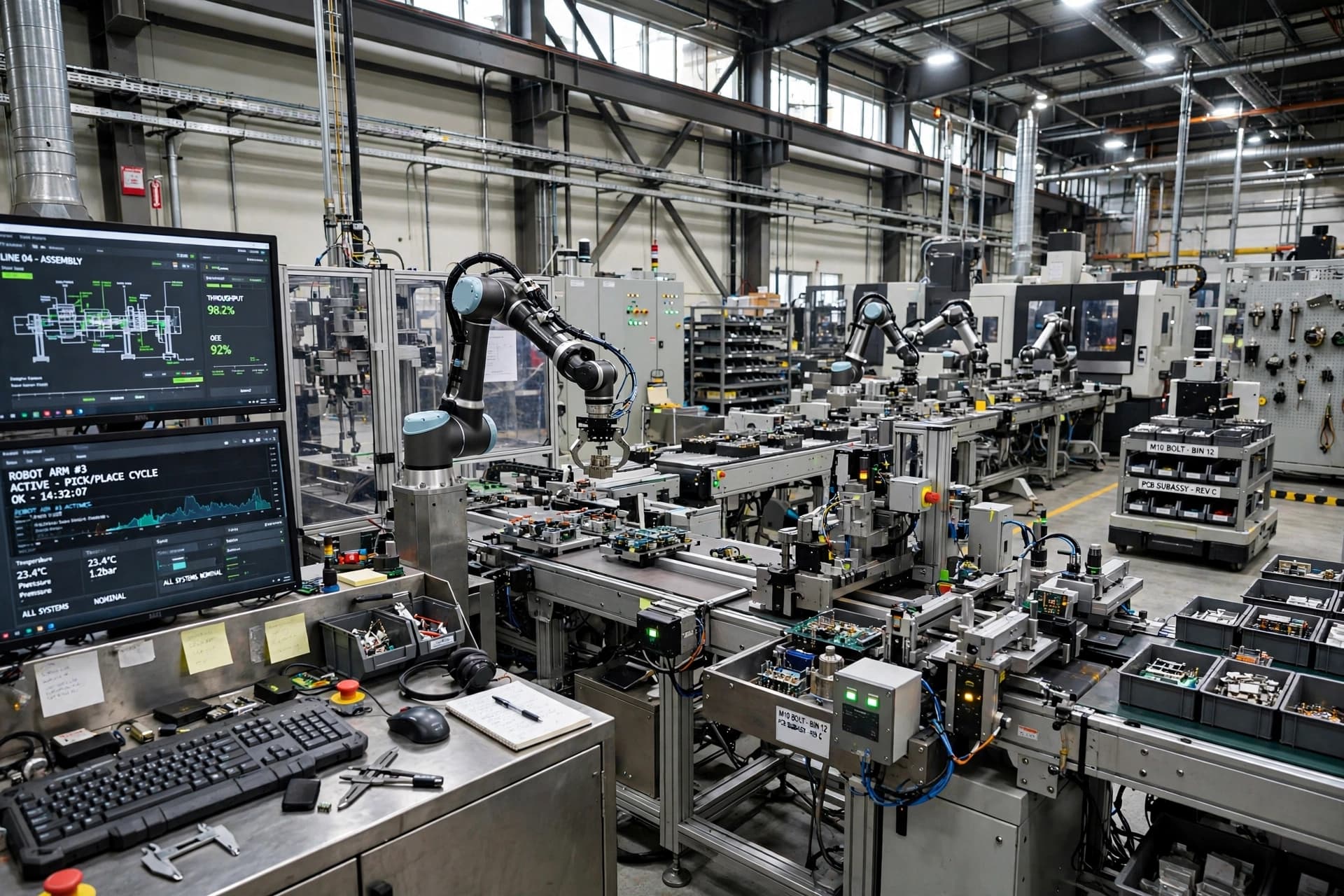
AI Image Disclaimer Visuals are created with AI tools and are not real photographs.
Sources Reuters Bloomberg CNBC Financial Times The Wall Street Journal
Published by Banx Network. This article is part of the Banx decentralized media programme, powered by the BXE token on the XRP Ledger.