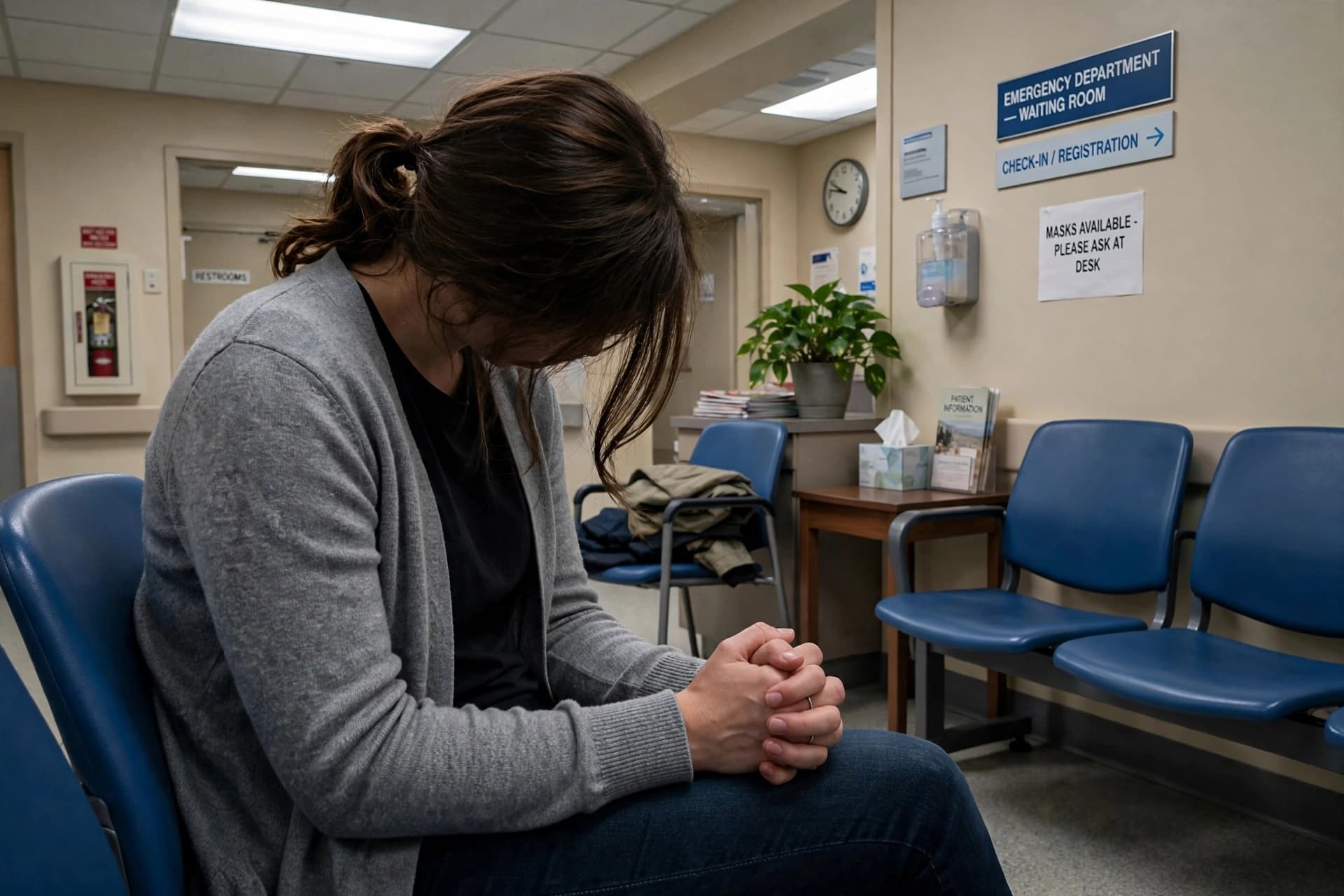
In the hushed corridors of oncology wards, time often carries a weight heavier than any clock can measure. For patients facing lung cancer, every decision, every appointment, can feel pivotal, yet the question of when to act has remained as important as how. Recent research offers a new compass: identifying the best timing for treatment may improve outcomes and, importantly, provide patients with renewed hope.
Studies suggest that aligning therapies with the body’s natural rhythms — optimizing the timing of chemotherapy, surgery, or targeted treatments — can enhance effectiveness while reducing side effects. The discovery resonates beyond charts and lab results; it touches the human experience, offering a gentle reminder that medicine is not only a science of intervention but also a practice of timing, patience, and care.
This insight is as practical as it is poetic. By considering the rhythms of the human body and the progression of disease, clinicians can offer treatments when they are most likely to succeed, transforming uncertainty into strategy. For patients and families, this knowledge carries quiet reassurance — a sense that hope can be measured, nurtured, and acted upon with intention.
As the medical community continues to refine approaches, the finding highlights a broader truth: precision in timing can amplify the impact of medicine. In the delicate interplay between disease and care, attention to detail — even the hours in a day — can shape outcomes, offering both science and humanity a shared path toward healing.
AI Image Disclaimer “Visuals are AI-generated and serve as conceptual representations.”
Sources (up to 5 credible sources) American Cancer Society National Cancer Institute Journal of Clinical Oncology The Lancet Oncology Harvard Medical School
Published by Banx Network. This article is part of the Banx decentralized media programme, powered by the BXE token on the XRP Ledger.