
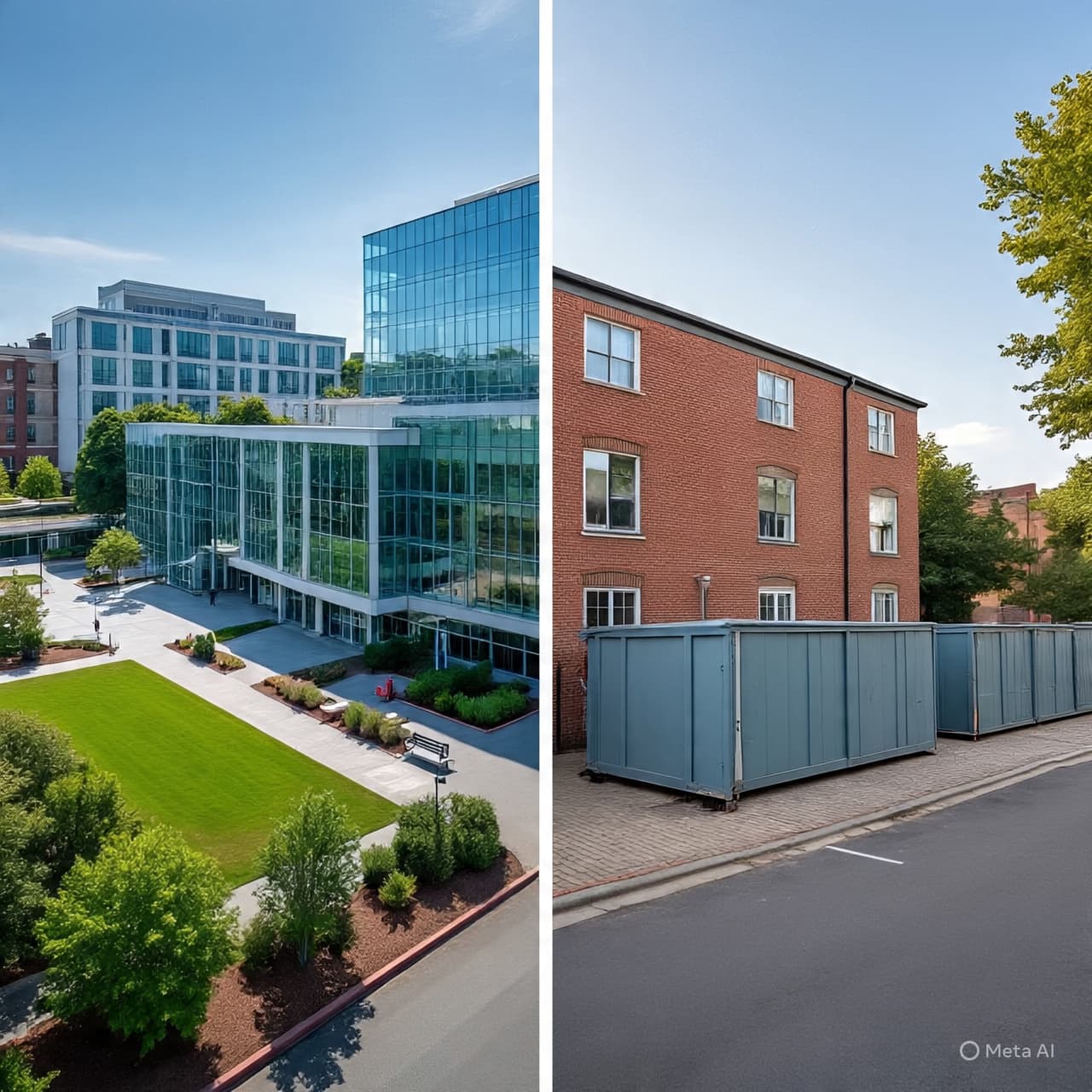
In the soft early light of a school day, students file into classrooms as the sun traces gentle patterns across brick and concrete. In some parts of Victoria, those buildings stand tall and gleaming, a testament to investment and resources. In others, the paint peels at the edges, demountable classrooms creak in the wind, and teachers whisper apologies for what they wish they could provide. That contrast is not merely physical — it’s emblematic of a growing divide in how we invest in the futures of our children.
The latest figures, drawn from an educational equity report, tell a stark story: over the past decade, private schools in Victoria have received an estimated $10.8 billion more in capital funding than public schools. In the most recent year alone, spending on private school capital works outpaced that in government schools by more than $1.4 billion, translating into twice the level of investment per student in many elite independent schools compared with their disadvantaged public counterparts.
Walk through the grounds of a well-resourced private college — its modern science labs, sports facilities, climate-controlled libraries — and you sense the quiet accumulation of advantages. Now walk into a public school playground where hundreds of students share shuffling demountables, some without air conditioning; where 27 percent of campuses report insufficient classrooms to meet enrolment, and teachers speak quietly of asbestos, outdated toilets, or spaces that simply cannot support the curriculum they’re tasked to deliver.
The numbers sketch a form of structural inequity: while private schools often exceed the Schooling Resource Standard — the benchmark for fair government funding — public schools across Victoria struggle to meet it, meaning the very fabric of their facilities lags behind the needs of their students. Detailed studies of funding trends point out that public school resourcing sits far below what is recommended, even as private schools continue to attract investment and donations on top of government support.
For principals and educators in public schools, this isn’t an abstract statistic; it’s part of the lived experience of educating children who bring with them an array of challenges — and with whom every dollar, every square metre of safe space, counts. What a child can do in an education environment often reflects what the walls around them allow. In that sense, the divide in capital funding becomes more than a budget line — it becomes a quiet commentary on whose opportunities we choose to build first.
Governments at state and federal levels have responded with policy negotiations and commitments to broader agreements on funding shares. Some ministers speak of record public school building programs, while noting that capital responsibility sits primarily with the state. Others urge federal contributions to grow. But the debate continues about when — and whether — these measures will erase the visible and invisible gaps that separate one school’s playground from another.
In the meantime, in classrooms across Victoria, teachers work with care and commitment, bridging gaps with creativity and compassion. Their efforts remind us of the human heart at the centre of this story: children whose curiosity and potential deserve the quiet but firm foundation of equitable educational spaces.
As the sun arcs across another day of learning, the question lingers not in loud accusation, but in thoughtful reflection: what kind of future do we choose when some schools are built like bridges toward opportunity, and others still feel like pathways in need of repair?
AI Image Disclaimer (rotated wording) “Visuals are created with AI tools and are not real photographs.”
Source Check Credible sources reporting on the Victorian funding gap between public and private schools:
Herald Sun (Australia) — education funding report. The Advertiser (Adelaide) — national report context, including Victoria. Australian Education Union reports and data referenced in analyses. School funding research papers on Victoria’s Schooling Resource Standard/SRS. Parents Victoria analysis on school resources & gaps.
Published by Banx Network. This article is part of the Banx decentralized media programme, powered by the BXE token on the XRP Ledger.


