
Key Highlights
- Incident:A 40-meter scaffolding collapsed at JFE Steel's East Japan Works.
- Casualties:Three workers died, and one remains missing.
- Cause:A 500-ton counterweight fell, leading to the collapse.
On a typical Tuesday afternoon in Kawasaki, the air was filled with the sounds of industry when an unexpected disaster struck at JFE Steel’s East Japan Works. The rhythmic hum of machinery was shattered by a catastrophic failure as a 40-meter tower of scaffolding collapsed, sending five workers plummeting into the chaos below. This tragic event has left the community grappling with the loss of life and the implications for safety in industrial environments.
The collapse occurred during a routine crane dismantling operation, a task that should have been straightforward. However, the sudden fall of a 500-ton counterweight triggered a chain reaction that resulted in the scaffolding giving way. Dust and debris enveloped the site, marking the end of normalcy for the workers involved. Among the deceased were a 19-year-old and a 29-year-old, both of whom had their lives cut short in an instant, leaving families and friends in mourning.
As the dust settled, the search for one missing worker began, a somber reminder of the fragility of life in the face of industrial might. The waters of the Keihin District, usually a backdrop to the bustling activity of the plant, now serve as a haunting reminder of the tragedy. Rescue teams continue to scour the area, hoping to find any trace of the missing individual, while the community holds its breath in anticipation.
In the wake of the incident, authorities have launched an investigation to determine the cause of the collapse. They are meticulously examining the equipment and protocols in place at the plant, seeking to uncover the moment when safety measures failed. The investigation aims to provide answers not only to the families affected but also to the broader community that relies on the steel industry for its livelihood.
Kawasaki, a city deeply intertwined with its industrial roots, feels the weight of this tragedy profoundly. The loss of three workers resonates throughout the community, highlighting the inherent risks associated with heavy industry. As families mourn, the city reflects on the unspoken agreement between workers and the machinery they operate—a pact that, when broken, reverberates through homes and hearts alike.
Safety protocols are now under scrutiny, as discussions about professional negligence and accountability emerge. While the physical structures can be repaired, the emotional scars left by this incident will take much longer to heal. The community is left to grapple with the reality that the very tools designed to build and support can also lead to devastating consequences.
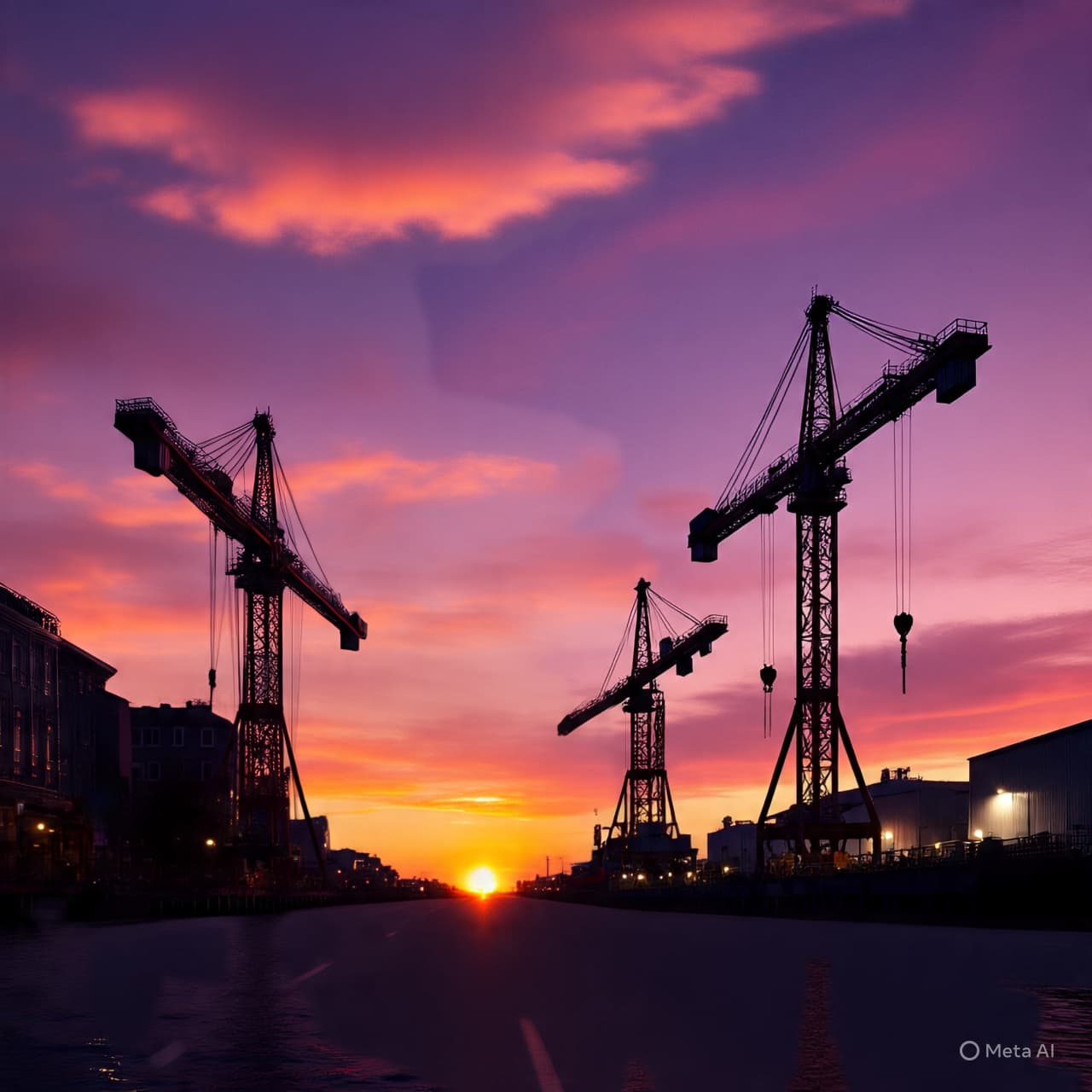
As the search for the missing worker continues, the cranes that once symbolized progress now stand as stark reminders of the tragedy. The community awaits news, hoping for closure while recognizing the delicate balance between industrial necessity and human safety. In the quiet moments, as the sun sets over the harbor, the shimmering waters reflect the fragility of life and the enduring spirit of those who remain.
Three workers have died, and one remains missing after a 40-meter scaffolding structure collapsed during crane dismantling at JFE Steel’s East Japan Works in Kawasaki. The incident was triggered when a 500-ton counterweight fell, causing five workers to plunge into the site and the sea.
Published by Banx Network. This article is part of the Banx decentralized media programme, powered by the BXE token on the XRP Ledger.



