
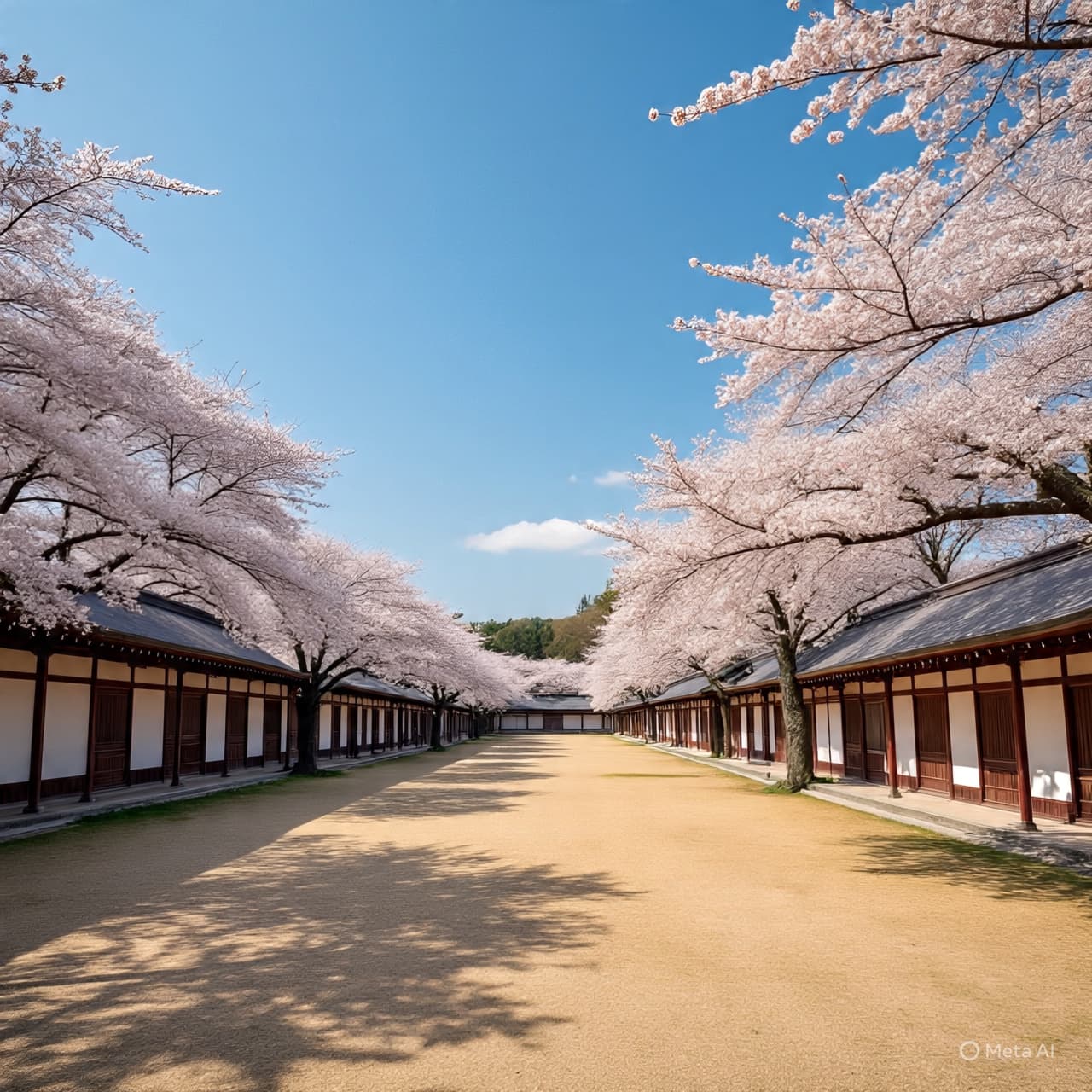
Key Highlights
- Cancellation:A popular cherry blossom festival in Japan was canceled due to overwhelming tourist crowds.
- Public Safety:Local authorities cited safety concerns and environmental damage as reasons for the decision.
- Economic Impact:The cancellation reflects a struggle between tourism benefits and community well-being.
Japan's cherry blossom season, known as sakura, traditionally invites both locals and tourists to celebrate the fleeting beauty of the blossoms. Each spring, cherry trees bloom, transforming parks and streets into picturesque landscapes. However, this year, the season has been marred by an unexpected challenge: an overwhelming influx of tourists. In response, local organizers in one city made the difficult decision to cancel their annual cherry blossom festival, a move that underscores the tension between tourism and community integrity.
The cancellation was not due to adverse weather or the condition of the blossoms, but rather the sheer volume of visitors. Local officials reported scenes of congestion, with blocked roads and overwhelmed public services. Tourists climbed trees for photographs and ignored safety barriers, leading to a chaotic atmosphere that detracted from the festival's intended spirit of joy and communal celebration. What was once a cherished local event became a source of frustration for residents, who felt a loss of control over their own environment.
In recent years, Japan's cherry blossom season has attracted increasing numbers of international travelers. The resurgence of global tourism, fueled by social media and easier access to flights, has turned local traditions into major attractions. While this influx can bring economic benefits, it also poses challenges for communities that must balance the needs of visitors with the preservation of their cultural practices.
The decision to cancel the festival was framed not as a punitive measure but as a necessary step to protect public safety and the environment. Organizers expressed concerns about the potential for damage to local ecosystems and the well-being of residents who rely on the festival for seasonal income and pride. Without effective crowd management systems in place, stepping back from the festival was deemed the least disruptive option.
For many local residents, the cancellation carries mixed emotions. Festivals are vital for economic vitality and community spirit, yet they also require a delicate balance between hospitality and respect for local customs. The cherry trees, while beautiful, offer no refuge from the challenges posed by excessive tourism. Their branches, laden with blossoms, serve as a reminder of the fragility of this balance.
As the cherry blossoms opened and fell without the usual celebrations, parks remained quieter than anticipated. The absence of lanterns, performances, and festivities left a void that highlighted the impact of the decision. Only the petals drifting onto paths served as a reminder of the beauty that continues to exist, even in the absence of celebration.
The cancellation of the cherry blossom festival marks a significant moment in Japan's ongoing dialogue about tourism and its role in daily life. While the country remains open to visitors, this incident suggests a growing awareness of the need to reassess how tourism interacts with local traditions and spaces. As spring returns each year, the question remains: how will communities choose to gather and celebrate beneath the cherry blossoms in the future?
Published by Banx Network. This article is part of the Banx decentralized media programme, powered by the BXE token on the XRP Ledger.



