There is a quiet tension in store aisles across the country, as parents and health officials grapple with a recall that hasn’t fully cleared the shelves. What should have been a swift removal of a potentially dangerous product is proving more complicated — and for some families, more frightening.
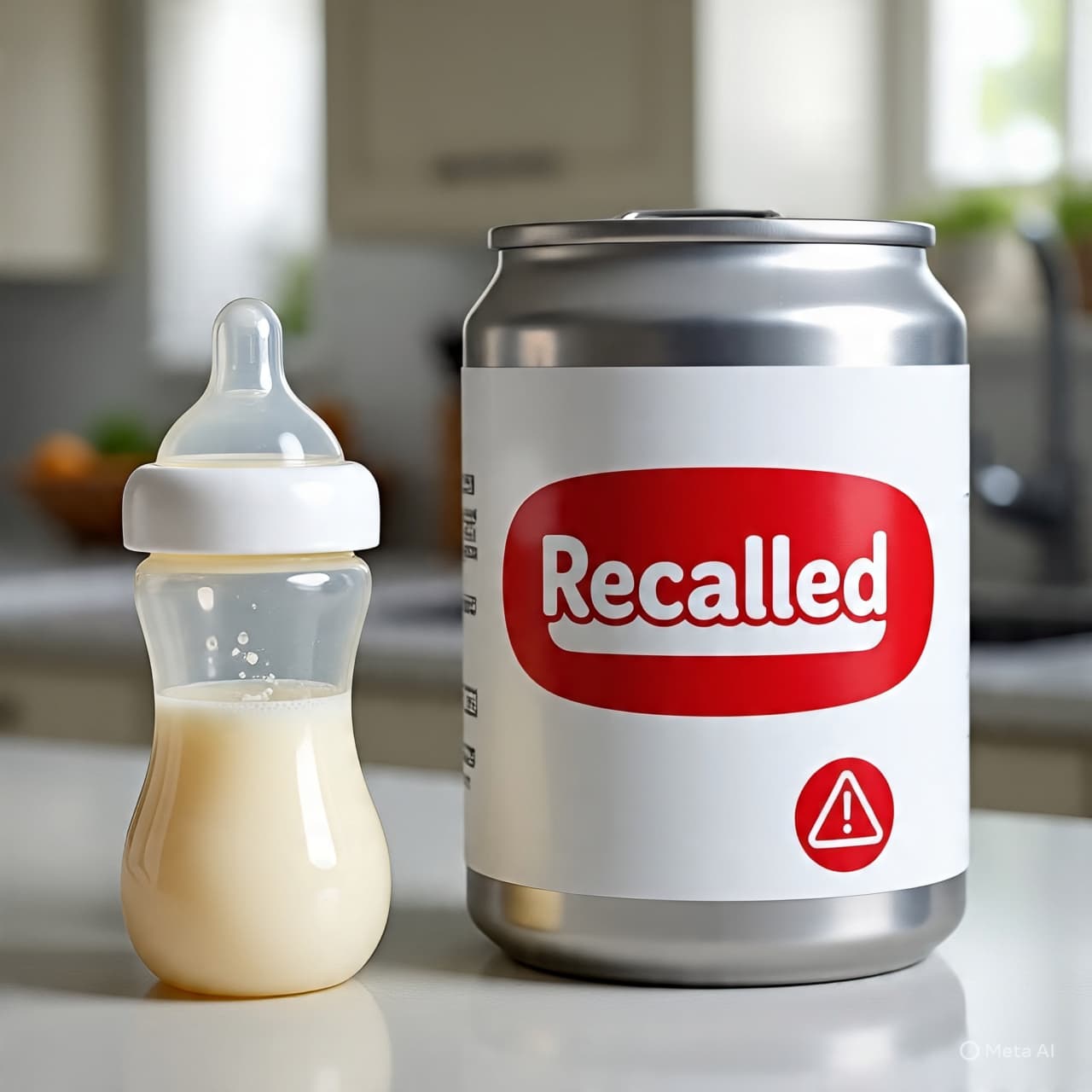
Federal and state regulators have sounded the alarm after a growing outbreak of infant botulism was linked to ByHeart Whole Nutrition infant formula. As of mid-November, at least 31 infants across 15 states have been hospitalized. In response, ByHeart and the U.S. Food and Drug Administration issued a voluntary recall — not just of certain batches, but all unexpired ByHeart formula, including both cans and single-serve packs.
But even with the recall in place, officials warn that some of this formula remains on store shelves. In Oregon, for instance, inspectors found the product in 9 out of more than 150 stores checked. In Minnesota, investigators removed the formula from several retail locations over a multi-day sweep.
Why is a recalled product still visible in stores? Part of the challenge is logistics: despite the voluntary recall, by the nature of large-scale distribution it's not always possible to pull every can immediately, especially for a brand that reaches many national retailers. The FDA says it’s working with state partners and retailers to ensure that recalled stock is removed. But for now, some caregivers are being urged to remain cautious.
Health authorities are asking parents to stop using any ByHeart formula immediately, regardless of lot number. If you have leftover formula, you should label it “DO NOT USE,” store it safely for at least a month, and consider giving that sample to your local health department if your baby develops symptoms. The concern is that the bacteria Clostridium botulinum, which can produce a potent neurotoxin, might be present even in lots that weren’t part of the original recall.
Symptoms of infant botulism can take up to 30 days to appear and may begin subtly — with constipation or poor feeding, progressing to weak crying, drooping eyelids, or loss of head control. If caregivers notice anything unusual, they are strongly encouraged to seek medical help immediately.
ByHeart has said it is cooperating fully with the FDA and conducting broad testing, while working to identify the root cause of contamination. The company also issued a heartfelt apology to affected families and pledged transparency as it investigates.
Meanwhile, public health officials continue to stress: even though ByHeart accounts for only a small share of the national formula market, the pattern in this outbreak is striking. And while no deaths have been reported so far, the risk is serious enough that vigilance — from both parents and retailers — remains critical.
AI Image Disclaimer “Images are created with AI tools and serve as conceptual illustrations, not actual photographs.”
Sources CDC FDA ABC News / AP via ABC PBS NewsHour CBS News
Published by Banx Network. This article is part of the Banx decentralized media programme, powered by the BXE token on the XRP Ledger.