
Key Highlights
- Recent airstrikes in Beirut have intensified, affecting previously safe neighborhoods.
- The strikes target infrastructure linked to Hezbollah, altering residents' perceptions of safety.
- International observers express concern over the potential for wider conflict.
The city of Beirut, long a tapestry of resilience amid turmoil, is now grappling with a new reality as airstrikes intensify. Once-thought safe neighborhoods are now caught in the crossfire, transforming the landscape of daily life for residents. Cafés that once buzzed with laughter and conversation now sit under the shadow of uncertainty, as the rhythm of life is disrupted by the sound of distant explosions.
In recent days, Israeli airstrikes have expanded their reach into areas of Beirut that had previously been insulated from direct conflict. This escalation is not marked by a singular event but rather a pattern of increasing aggression that has left residents questioning their safety. The strikes, according to military sources, are aimed at infrastructure associated with Hezbollah, yet the implications extend far beyond military targets, reshaping the very fabric of the city.
As the airstrikes continue, the distinction between safe and unsafe areas blurs. Neighborhoods that once felt secure now share the same tension as those long familiar with conflict. This shift is subtle at first, but it becomes unmistakable as the familiar landmarks of daily life are transformed into symbols of vulnerability. Buildings that once housed homes and businesses are now marked by destruction, altering the mental maps that residents rely on to navigate their city.
Lebanese officials have voiced their concerns regarding the impact of these strikes on civilian life, emphasizing the risks posed to non-combatants and critical infrastructure. Meanwhile, Israeli authorities justify their actions as necessary measures to neutralize perceived threats. This divergence in perspectives highlights the complex nature of the conflict, where the experiences of those on the ground often clash with the narratives presented by military and political leaders.
Despite the chaos, life in Beirut continues. Streets remain busy, shops open their doors, and conversations persist, albeit with an undercurrent of anxiety. The sounds of aircraft overhead and the distant echoes of strikes have become part of the city's daily rhythm, a reminder of the precariousness that now defines life in Beirut.
International observers are closely monitoring the situation, warning of the potential for broader consequences if the conflict escalates further. Diplomatic efforts are ongoing, seeking to de-escalate tensions even as the situation on the ground evolves. The delicate balance between military action and restraint is increasingly difficult to maintain, with each day bringing new challenges and uncertainties.
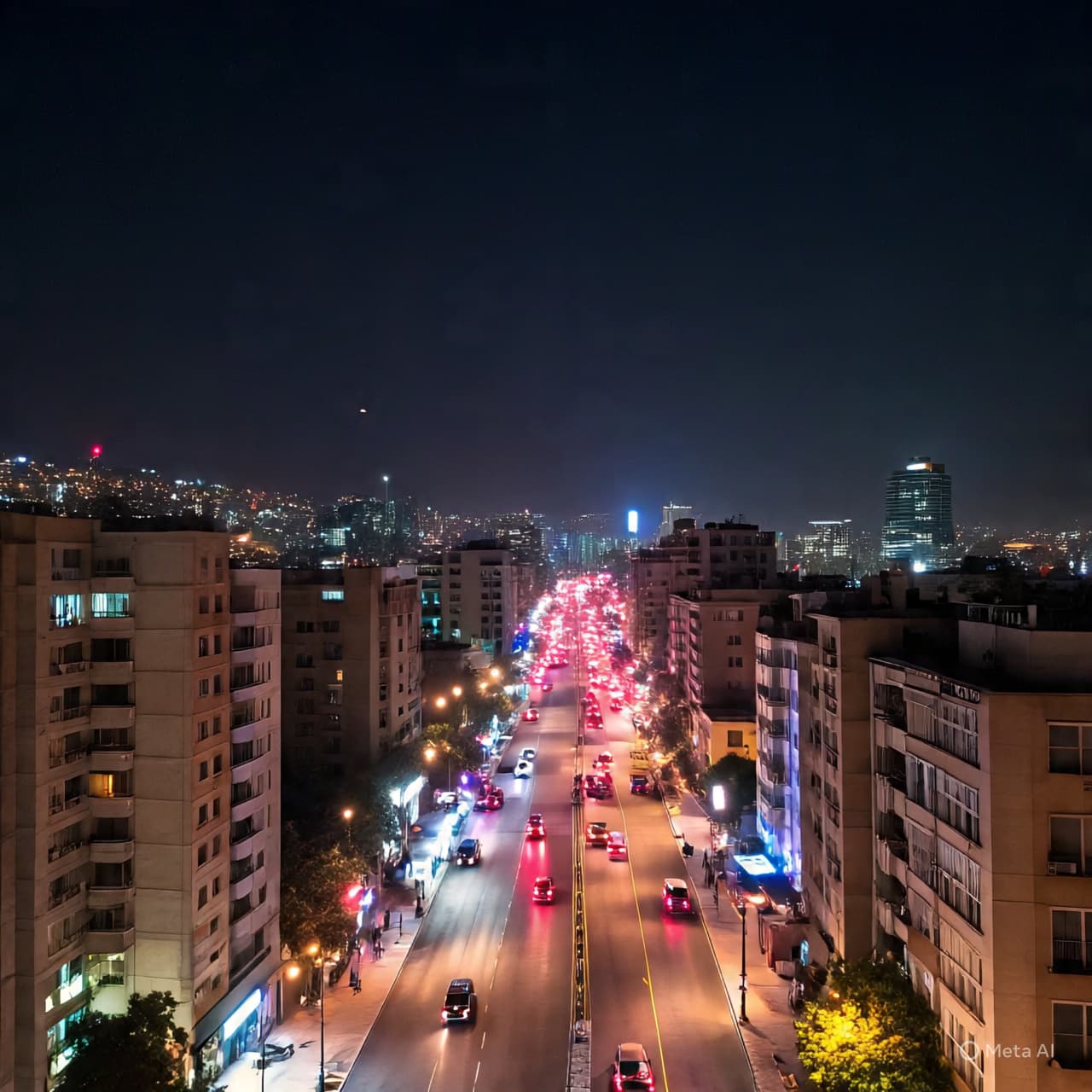
As night descends on Beirut, the city resumes its familiar patterns, yet the sense of safety that once characterized certain neighborhoods has diminished. The transformation of these spaces carries a weight that extends beyond physical destruction; it reshapes the expectations and experiences of those who call Beirut home. The question lingers: where does safety reside in a city where once-safe havens are now under threat?
In the coming days, more information will emerge regarding the extent of the damage and the responses from various stakeholders. However, the shift in the city's landscape is already evident, leaving residents to navigate a new reality where the boundaries of safety are continuously redrawn.
Published by Banx Network. This article is part of the Banx decentralized media programme, powered by the BXE token on the XRP Ledger.



