
Key Highlights
- Controversy:A fresco in a Roman chapel sparked debate over its resemblance to Prime Minister Giorgia Meloni.
- Restoration:The church authorities decided to paint over the cherub's face amid public interest and concern.
- Cultural Impact:The incident highlights the intersection of art, politics, and sacred spaces in contemporary Italy.
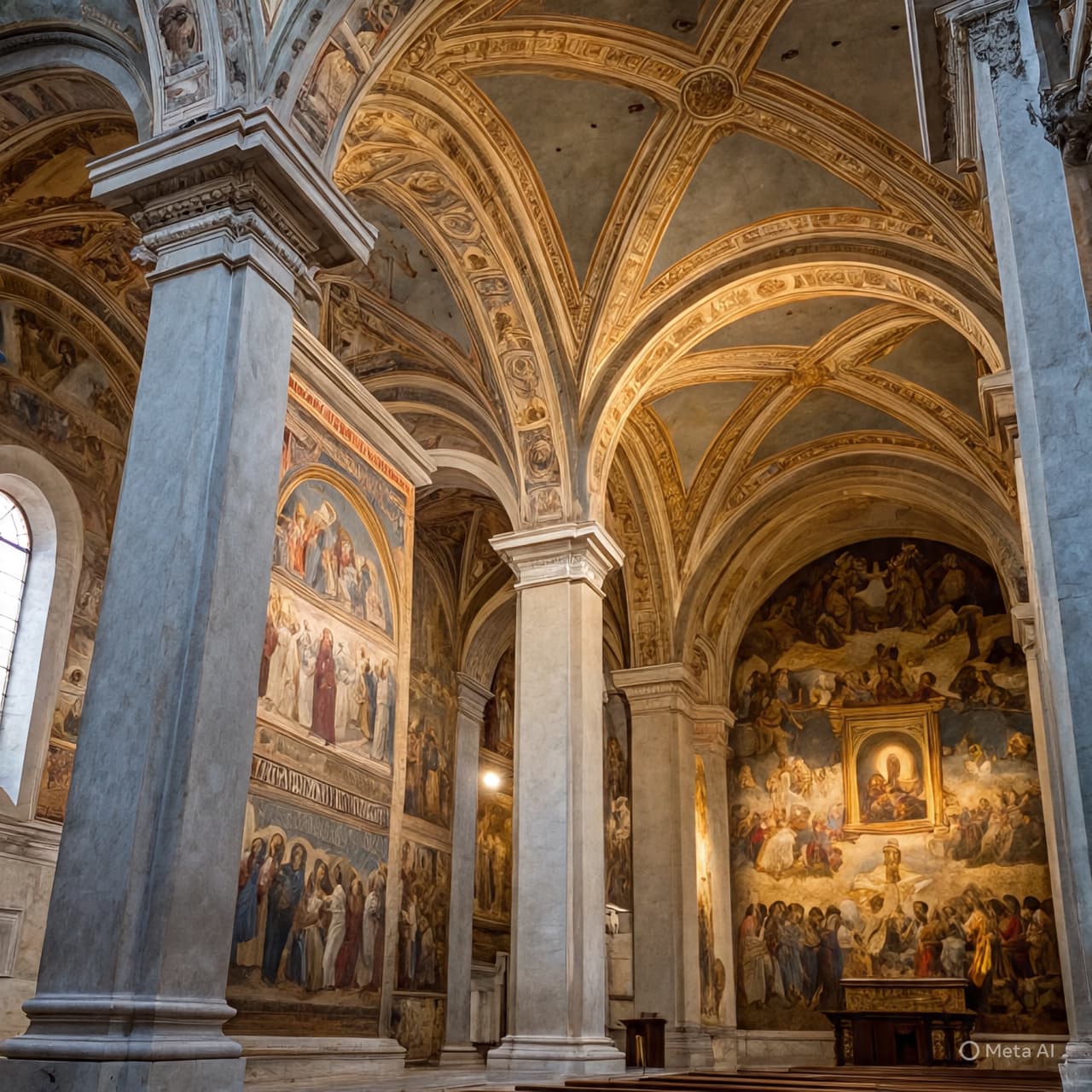
In the heart of Rome, the Basilica of San Lorenzo in Lucina stands as a testament to centuries of faith and history. This ancient chapel, known for its serene ambiance, recently became the center of a unique controversy that blurred the lines between sacred art and modern political imagery. The incident began when a restored fresco of a cherub was unveiled, drawing attention for its striking resemblance to Giorgia Meloni, Italy's first female prime minister.
The fresco, which had been a part of the chapel's decor for years, suddenly transformed from a religious symbol into a subject of public fascination. Visitors flocked to the basilica, not for prayer, but to capture photographs of the angelic figure that many believed mirrored the features of Meloni. This unexpected twist prompted church authorities and the Culture Ministry to intervene, as the implications of a political figure depicted in a sacred context raised questions about appropriateness and respect for religious spaces.
As the image circulated on social media and news outlets, discussions erupted among parishioners, critics, and political commentators. Some viewed the resemblance as a humorous coincidence, while others expressed concern over the potential blurring of lines between faith and politics. The presence of the cherub, once a symbol of divine protection, became a focal point for debates about the role of art in society and the responsibilities of those who oversee sacred spaces.
In response to the growing attention and mixed reactions, church officials made the decision to paint over the cherub's face, restoring it to a more traditional appearance. This action was not merely a restoration of the artwork but a recalibration of the relationship between art, politics, and public perception. The blank visage now serves as a reminder of the delicate balance that must be maintained in places of worship, where the sacred and the secular often intersect.
The incident also prompted a light-hearted response from Meloni herself, who remarked that she did not see an angelic likeness in the fresco. Her comments added a layer of levity to the situation, highlighting the absurdity of the controversy while also acknowledging the public's fascination with the intersection of art and politics.
As discussions continue among the diocese, the Culture Ministry, and other stakeholders regarding future restorations, this episode underscores the complexities involved in preserving sacred art. The balance between artistic expression and the sanctity of religious spaces remains a critical consideration for those tasked with maintaining these historical sites. The Basilica of San Lorenzo in Lucina, with its rich history and cultural significance, now stands as a case study in how modern perceptions can challenge traditional values in the realm of sacred art.
Published by Banx Network. This article is part of the Banx decentralized media programme, powered by the BXE token on the XRP Ledger.



