Agriculture is the backbone of many rural communities, relying on a steady flow of labor to bring crops from field to table. When legal decisions disrupt this flow, the ripple effects are felt far beyond the farm gate. The recent court decision regarding the H-2A visa program’s Interim Final Rule has prompted a response from Duane Simpson, President and CEO of the National Council of Farmer Cooperatives (NCFC). His statement underscores the critical importance of regulatory stability for farmers who depend on seasonal workers.
The H-2A program allows U.S. employers to bring foreign nationals to the country to fill temporary agricultural jobs. The Interim Final Rule, introduced by the Department of Labor, aimed to update wages and working conditions for these workers. However, legal challenges have led to a court decision that has left many aspects of the rule in limbo, creating uncertainty for both employers and employees.
Simpson’s statement highlights the frustration of farmer cooperatives who have planned their seasons based on existing regulations. The sudden shift caused by the court’s ruling disrupts hiring timelines and budget projections. For many farms, especially those with perishable crops, timing is everything. A delay in securing labor can mean the difference between a successful harvest and significant financial loss.
The NCFC emphasizes the need for a predictable and fair regulatory environment. Farmers are not opposed to reasonable standards for worker protection, but they require clarity to operate effectively. The current legal ambiguity makes it difficult to comply with changing requirements, potentially exposing them to liability and operational risks.
Beyond the immediate logistical challenges, the decision raises broader questions about the sustainability of the agricultural workforce. As domestic labor shortages persist, the H-2A program remains a vital tool for filling gaps. Any disruption to this pipeline threatens the food supply chain and the economic viability of rural America.
Simpson calls for collaboration between policymakers, legal experts, and agricultural leaders to resolve the issue. He advocates for a solution that balances the rights of workers with the needs of employers, ensuring that the system works for everyone involved. This cooperative approach is essential for building a resilient and equitable agricultural sector.
The statement also touches on the human element of the issue. H-2A workers are integral to many farming communities, contributing not just labor but also cultural diversity and economic activity. Ensuring their fair treatment and legal status is a moral obligation as well as an economic necessity.
As the legal process continues, farmers are adapting as best they can. Some are exploring alternative labor sources, while others are advocating for legislative reforms. The resilience of the agricultural community is evident, but the need for a permanent solution is urgent.
The NCFC remains committed to working with all stakeholders to achieve a stable and fair H-2A program. Duane Simpson’s statement serves as a call to action for policymakers to prioritize the needs of American agriculture in their judicial and legislative decisions.
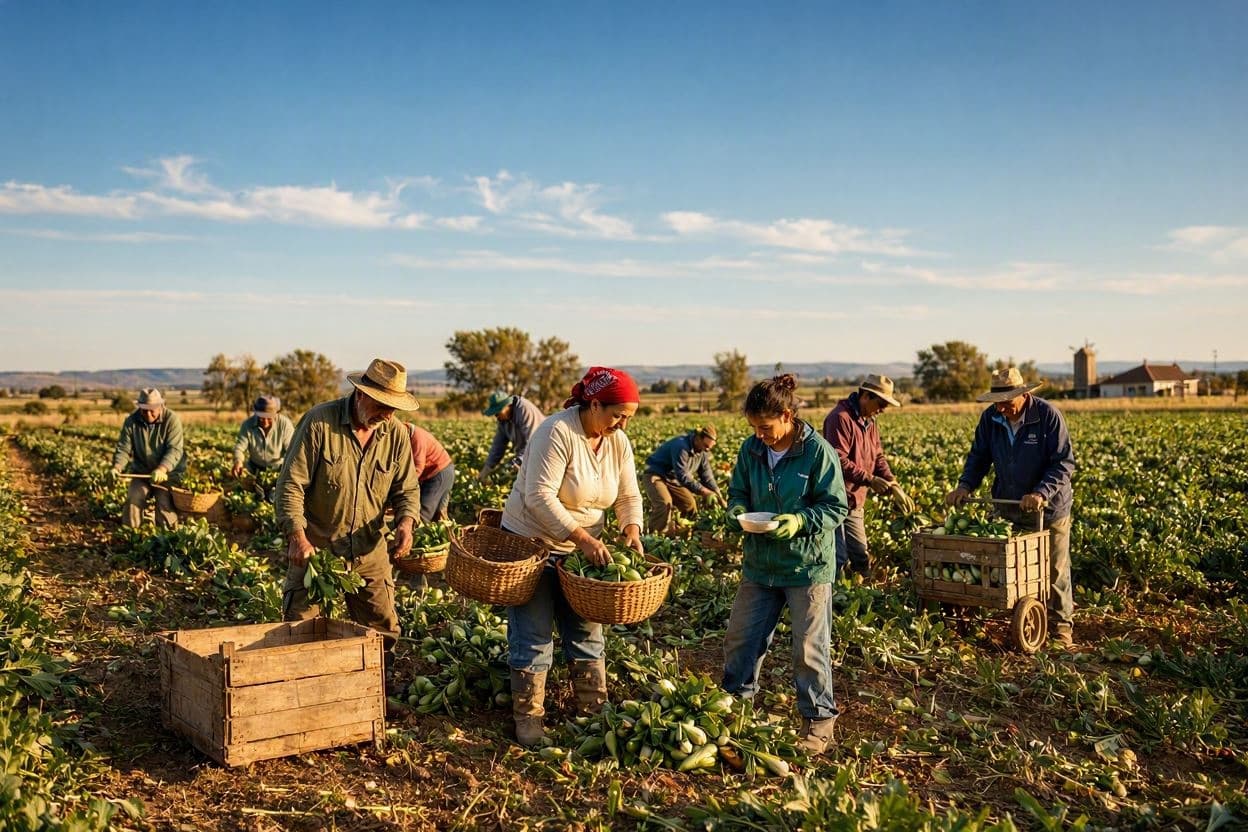
AI Image Disclaimer: Please be aware that any images accompanying this article are AI-generated illustrations designed to evoke the themes of agricultural labor, legal policy, and rural community resilience.
Sources: National Council of Farmer Cooperatives (NCFC) Agri-Pulse Farm Journal Reuters
Published by Banx Network. This article is part of the Banx decentralized media programme, powered by the BXE token on the XRP Ledger.