
Key Highlights
- Election systems in the U.S. are governed by a mix of federal and state rules.
- Recent legal challenges have spotlighted disputes over voter access and ballot procedures.
- The judicial system plays a critical role in shaping election law and governance.
[Understanding the Election System]
Election systems in the United States are governed by a complex interplay of federal guidelines and state regulations. This dual structure creates a unique landscape where rules can vary significantly from one state to another. The ongoing disputes surrounding these rules have become a focal point in discussions about the integrity and accessibility of the electoral process.
At the core of these disputes is the question of authority. Federal institutions establish overarching legal frameworks intended to ensure a baseline of rights and protections for voters. However, individual states maintain substantial control over the administration of elections, leading to a patchwork of laws and practices. This divergence can result in confusion and inconsistency, particularly for voters who may encounter different rules depending on their location.
[Recent Legal Challenges]
Recent legal challenges have underscored the tensions between state and federal authority in election management. Courts across the country have been tasked with resolving disputes that often center on critical issues such as voter access, ballot procedures, and administrative requirements. For instance, cases have emerged regarding voter ID laws, mail-in voting regulations, and the accessibility of polling places. These legal battles not only address immediate concerns but also set precedents that shape the future of election law.
Supporters of stricter state-level control argue that localized governance allows for tailored solutions that better reflect the needs of individual communities. They contend that states are best positioned to understand their unique demographics and challenges. Conversely, critics warn that such variability can undermine the principle of equal access to the ballot, potentially disenfranchising voters in less accessible states. This debate highlights the delicate balance between local autonomy and the need for a consistent electoral framework.
[The Role of the Judiciary]
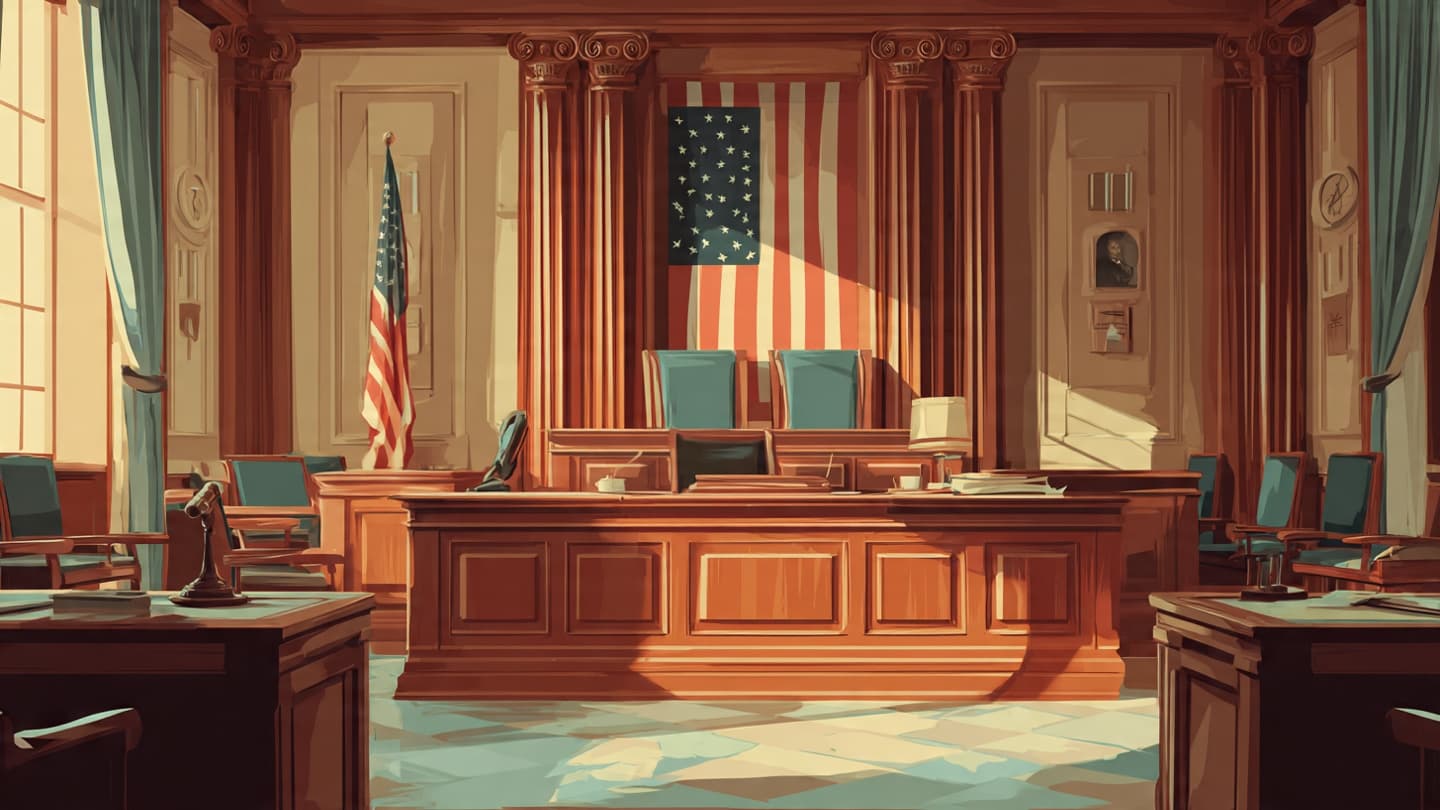
The judiciary plays a pivotal role in interpreting and enforcing election laws. Court rulings not only resolve specific disputes but also help define the boundaries of electoral governance for future elections. As legal challenges continue to arise, the decisions made by judges can have far-reaching implications for how elections are conducted across the nation. The judiciary's involvement is crucial in ensuring that the electoral process remains fair and transparent, particularly in times of heightened scrutiny.
[Public Awareness and Engagement]
Public discourse surrounding election rules has intensified in recent years, reflecting a growing awareness of the complexities involved in electoral systems. Civic organizations, advocacy groups, and policy experts are increasingly engaged in discussions about the importance of transparency and accessibility in elections. These conversations are vital for fostering an informed electorate and ensuring that all voices are heard in the democratic process.
[Looking Ahead]
As disputes over election rules continue, they are likely to influence both immediate practices and the long-term structure of electoral governance in the United States. The ongoing dialogue between state and federal authorities, coupled with active public engagement, will be essential in shaping a fair and equitable electoral system. Despite the legal uncertainties, established institutional processes remain in place to support election administration, ensuring that democracy endures.
Published by Banx Network. This article is part of the Banx decentralized media programme, powered by the BXE token on the XRP Ledger.



