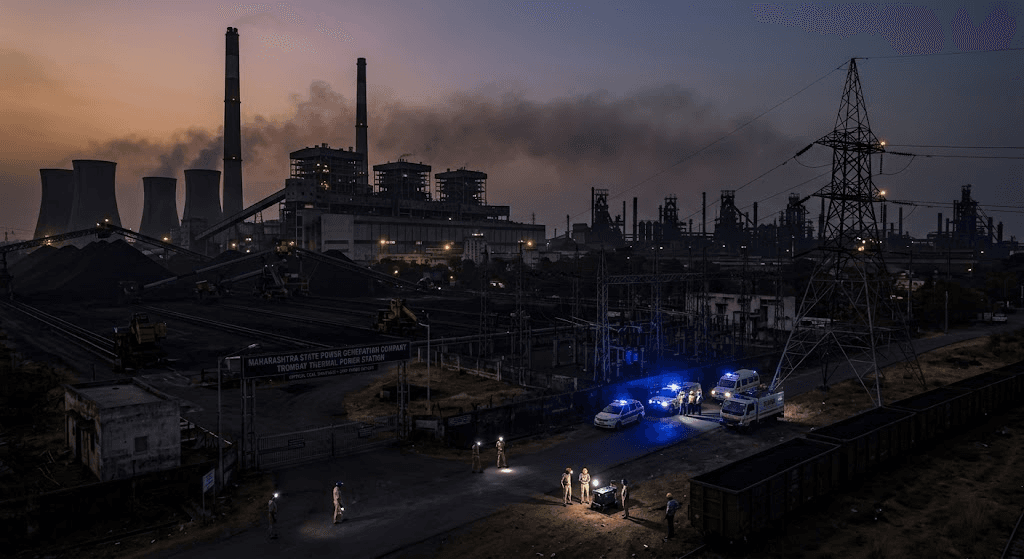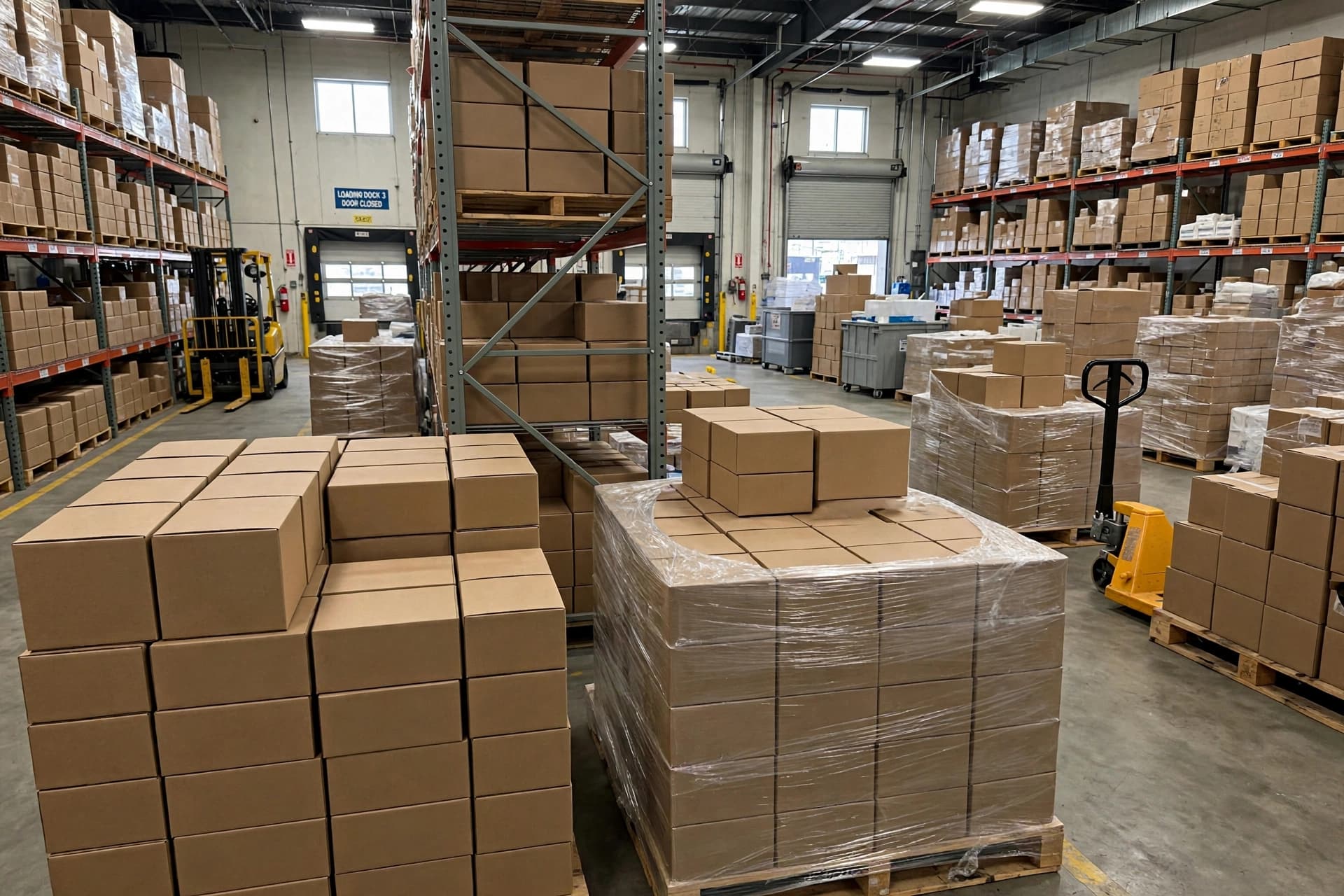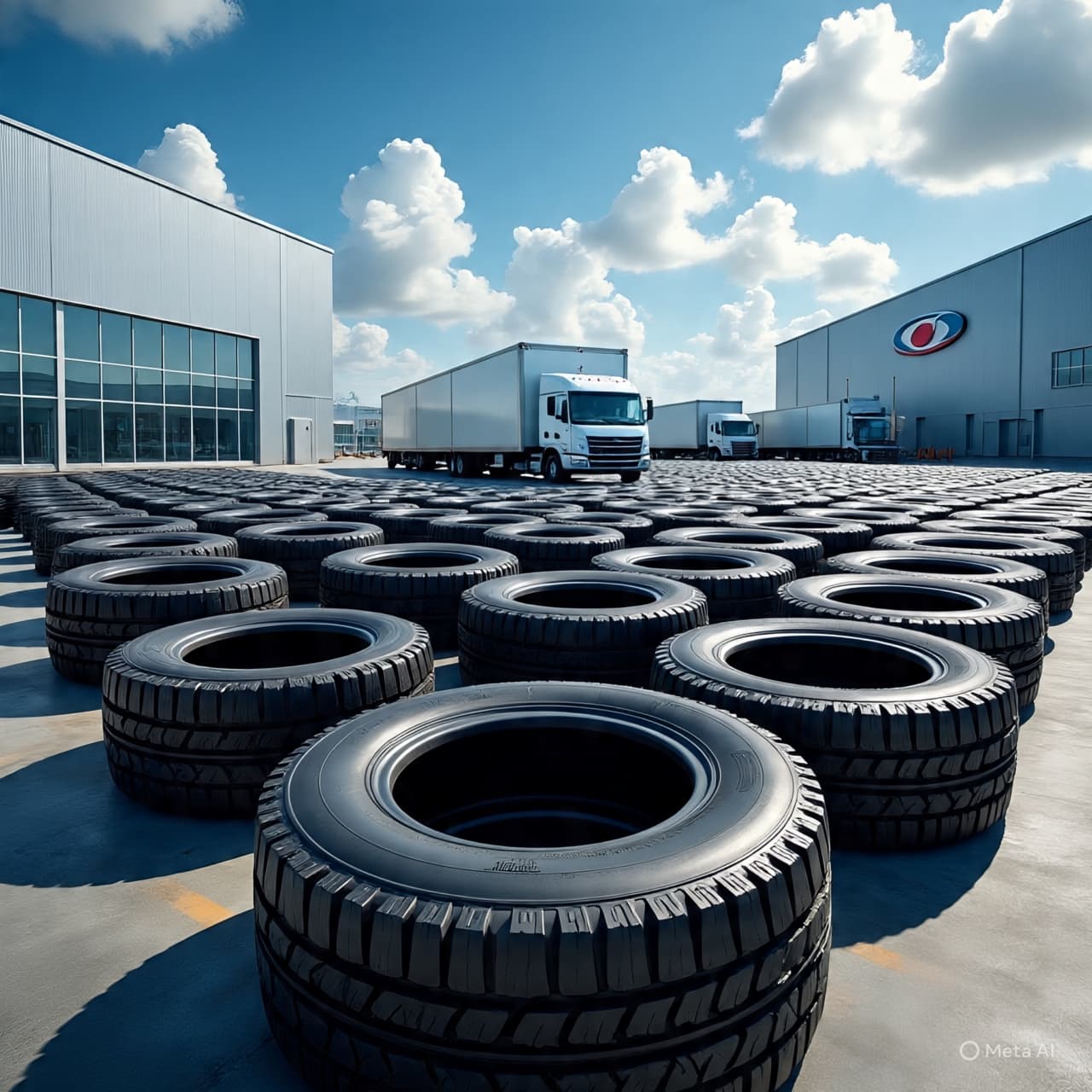
Opening In the gentle dawn light of a new industrial era, the hum of machinery in Central Java carries more than sound. It carries a story of changing landscapes, of capital and ambition traveling across seas, seeking fertile ground in a nation with wide roads and wider markets. Investors from China, like seasonal winds, have found their way to Indonesia’s tire factories bringing with them not just dollars and machines, but aspirations and questions about the rhythms of local industry and global commerce.
Body In recent years, Chinese tire producers have begun to sow their seeds in Indonesia’s soil, spending trillions of rupiah to build and operate manufacturing hubs that could transform regional supply chains and employment figures. One of the most visible examples is the investment by Sailun Group in Demak, Central Java, where a new factory backed by about USD 251 million (roughly Rp 4 trillion) has started producing tires for the local and regional market. The company frames Indonesia as a strategic gateway, partnering with distributors to offer different tire lines and after-sales support throughout the archipelago.
At the same time, Zhongce Rubber Group China's largest tire maker has inaugurated its new facility under the name PT Matahari Tire Indonesia in the Kendal Special Economic Zone. With investments in the hundreds of millions of dollars, this plant has been scaled to produce millions of passenger, truck, and motorcycle tires, along with essential components like carbon black. Prominent in global industry rankings, the group’s local venture reflects a broader strategy of extending production closer to growing markets and raw materials.
These investments are more than financial figures. They represent a belief in Indonesia’s labor availability, its proximity to raw materials, and its potential role as a trade hub. Manufacturers speak of technology transfer and global competitiveness, while local partners see opportunities for employment and infrastructure development.
Yet, within the hum of these factories, there are also echoes of concern. Some local tire producers, represented by industry associations, have voiced apprehension about oversupply if new facilities continue to proliferate. They caution that without careful calibration of production and demand, the industry could face excess capacity that outpaces consumption a scenario seen in other Southeast Asian markets.
Amid these developments, foreign players maintain a respectful tone about their role: contributing to the local economy while fostering global linkages. Indonesian consumers, logistics partners, and workforce communities are watching, poised between the promise of new jobs and the ongoing dialogue about competition, quality standards, and sustainable growth.
Closing As the rubber meets the road in both production and policy, Indonesia’s tire sector stands at a crossroads of global investment and domestic development. The arrival and expansion of Chinese producers from Demak’s newly warmed assembly lines to Kendal’s orderly logistics yards mark another chapter in economic collaboration. Observers, producers, and policymakers alike are adapting to this evolving landscape with practical eyes, noting opportunities without downplaying challenges. The outcomes will unfold at the intersection of markets, jobs, and international ties.
AI Image Disclaimer (rotated wording) Visuals are created with AI tools and are not real photographs.
Sources (listed) KatadataOTO Mobil123 ANTARA News Kontan Bisnis.com
Published by Banx Network. This article is part of the Banx decentralized media programme, powered by the BXE token on the XRP Ledger.