There is something profoundly human about reaching for the Moon — and equally human about pausing when the path forward asks for patience. Spaceflight has never been a straight line drawn boldly across the sky. It is a careful choreography of ambition and restraint, where even the smallest whisper from a machine is treated with respect. In that quiet space between countdowns, NASA now finds itself again: listening, adjusting, choosing caution over haste.
The upcoming Artemis II mission, intended to carry astronauts around the Moon for the first time in more than half a century, is likely to be delayed due to a technical issue with its rocket. Engineers identified a concern involving helium flow within the upper stage of the Space Launch System. Helium, though invisible and light, plays an essential role — pressurizing propellant tanks and ensuring fuel moves as intended. When its behavior raises questions, the launch timeline naturally follows.
The mission had been aiming for a March 2026 window. Now, depending on troubleshooting and possible repairs, that window may shift into April or later. NASA officials are evaluating whether the rocket must be rolled back from the launch pad at Kennedy Space Center to the Vehicle Assembly Building for further inspection. Such rollbacks are not unprecedented, though they add weeks of careful, methodical work to an already intricate schedule.
Artemis II carries symbolic weight far beyond its technical objectives. It represents the first crewed lunar voyage since the Apollo era — a reminder that exploration is not merely about distance traveled, but about continuity of vision. Four astronauts are slated to circle the Moon on a roughly ten-day journey, testing spacecraft systems in deep space and preparing the way for future missions that aim to land crews on the lunar surface once more.
In many ways, delays are woven into the fabric of space exploration. Rockets operate at the very edge of physics, where temperatures swing wildly and materials endure extraordinary forces. The smallest irregularity — a sensor reading slightly outside expectation, a valve behaving differently than modeled — can ripple through the schedule. In this realm, prudence is not hesitation; it is discipline.
The Artemis program itself was built on lessons learned from decades of engineering triumphs and setbacks. Each pause is part of a longer rhythm, one that values crew safety above calendar commitments. For the astronauts preparing for flight, and for the teams refining every component of the spacecraft, time spent ensuring reliability is time well invested.
Observers may note that space programs often move slower than headlines predict. Yet history suggests that sustainable progress in space rarely thrives under urgency alone. The Apollo missions were bold, but they were also marked by meticulous testing and repeated recalibration. Today’s lunar ambitions are broader still, envisioning not only a return, but a sustained presence that could eventually support journeys to Mars.
For now, NASA’s focus remains on diagnosing the helium issue and determining the most efficient, safest path forward. Engineers continue to analyze data, weighing whether work can be completed at the launch pad or requires relocation of the rocket. The timeline will follow the evidence.
The Moon, as ever, remains steady in its orbit — neither nearer nor farther because of a delayed launch. Artemis II will follow when ready. In the measured cadence of exploration, another careful step backward may simply be preparation for a longer stride ahead.
AI Image Disclaimer Graphics are AI-There is something profoundly human about reaching for the Moon — and equally human about pausing when the path forward asks for patience. Spaceflight has never been a straight line drawn boldly across the sky. It is a careful choreography of ambition and restraint, where even the smallest whisper from a machine is treated with respect. In that quiet space between countdowns, NASA now finds itself again: listening, adjusting, choosing caution over haste.
The upcoming Artemis II mission, intended to carry astronauts around the Moon for the first time in more than half a century, is likely to be delayed due to a technical issue with its rocket. Engineers identified a concern involving helium flow within the upper stage of the Space Launch System. Helium, though invisible and light, plays an essential role — pressurizing propellant tanks and ensuring fuel moves as intended. When its behavior raises questions, the launch timeline naturally follows.
The mission had been aiming for a March 2026 window. Now, depending on troubleshooting and possible repairs, that window may shift into April or later. NASA officials are evaluating whether the rocket must be rolled back from the launch pad at Kennedy Space Center to the Vehicle Assembly Building for further inspection. Such rollbacks are not unprecedented, though they add weeks of careful, methodical work to an already intricate schedule.
Artemis II carries symbolic weight far beyond its technical objectives. It represents the first crewed lunar voyage since the Apollo era — a reminder that exploration is not merely about distance traveled, but about continuity of vision. Four astronauts are slated to circle the Moon on a roughly ten-day journey, testing spacecraft systems in deep space and preparing the way for future missions that aim to land crews on the lunar surface once more.
In many ways, delays are woven into the fabric of space exploration. Rockets operate at the very edge of physics, where temperatures swing wildly and materials endure extraordinary forces. The smallest irregularity — a sensor reading slightly outside expectation, a valve behaving differently than modeled — can ripple through the schedule. In this realm, prudence is not hesitation; it is discipline.
The Artemis program itself was built on lessons learned from decades of engineering triumphs and setbacks. Each pause is part of a longer rhythm, one that values crew safety above calendar commitments. For the astronauts preparing for flight, and for the teams refining every component of the spacecraft, time spent ensuring reliability is time well invested.
Observers may note that space programs often move slower than headlines predict. Yet history suggests that sustainable progress in space rarely thrives under urgency alone. The Apollo missions were bold, but they were also marked by meticulous testing and repeated recalibration. Today’s lunar ambitions are broader still, envisioning not only a return, but a sustained presence that could eventually support journeys to Mars.
For now, NASA’s focus remains on diagnosing the helium issue and determining the most efficient, safest path forward. Engineers continue to analyze data, weighing whether work can be completed at the launch pad or requires relocation of the rocket. The timeline will follow the evidence.
The Moon, as ever, remains steady in its orbit — neither nearer nor farther because of a delayed launch. Artemis II will follow when ready. In the measured cadence of exploration, another careful step backward may simply be preparation for a longer stride ahead.
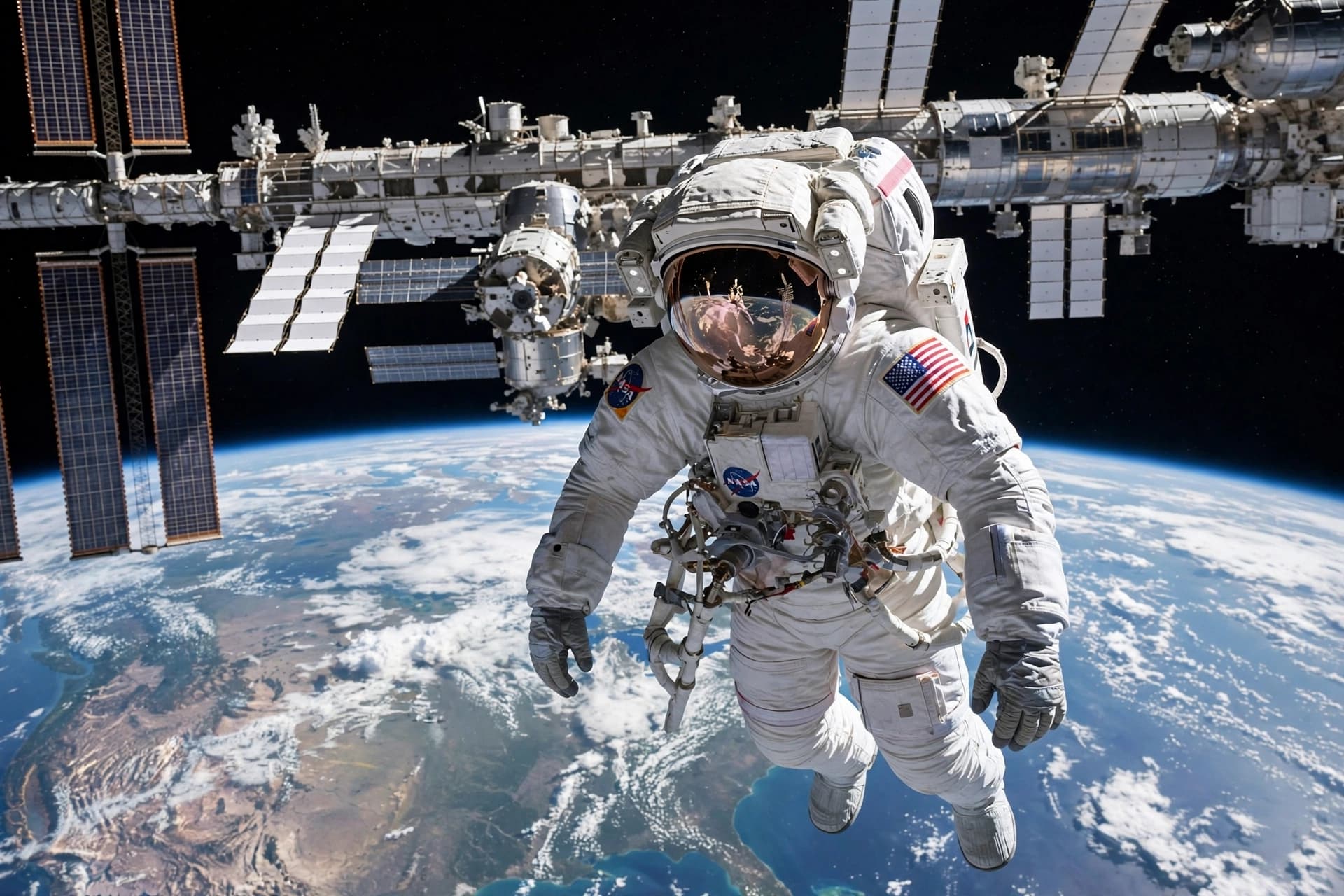
AI Image Disclaimer Graphics are AI-generated and intended for representation, not reality.
Sources: Reuters Associated Press Space.com Scientific American Los Angeles Times
Published by Banx Network. This article is part of the Banx decentralized media programme, powered by the BXE token on the XRP Ledger.