
Key Highlights
- European officials are discussing new energy infrastructure in the Middle East.
- The aim is to reduce reliance on conflict-prone regions.
- Ongoing geopolitical tensions have reshaped energy supply routes.
In recent discussions in Brussels, European officials are contemplating a significant shift in energy infrastructure across the Middle East. This initiative aims to create alternative routes that bypass conflict zones and enhance stability in energy supply. The conversations reflect a growing recognition of the need for resilience in energy systems, particularly in light of geopolitical tensions that have disrupted traditional supply chains.
The backdrop of these discussions is marked by years of instability in energy corridors, particularly those traversing the eastern Mediterranean and the Red Sea. Recent events, including the war in Ukraine and maritime tensions, have underscored the vulnerability of existing routes. As a result, the European Union is exploring how financial and technical support can be directed toward infrastructure projects that create new pipelines, terminals, and interconnections.
This initiative is not merely a technical endeavor; it is deeply intertwined with regional politics. Energy infrastructure in the Middle East serves as both a utility and a strategic asset, influencing relationships among nations. The reconfiguration of these energy routes could lead to a renegotiation of alliances that have developed over decades, making the stakes particularly high for all involved.
European officials are framing their discussions around key themes of resilience, diversification, and redundancy. The language used is pragmatic, reflecting a clinical approach to a complex issue. However, there is an underlying awareness that the recent geopolitical landscape has transformed Europe’s energy vulnerabilities. The need for alternative routes is not just about engineering; it is about ensuring that energy flows remain stable in an increasingly unpredictable world.
Bypassing conflict zones does not imply a complete withdrawal from these regions. Instead, it involves designing energy systems that can withstand uncertainty. This could mean expanding liquefied natural gas (LNG) capacity, enhancing overland corridors with more stable partners, or investing in electrical interconnectors that lessen dependence on singular routes. Each of these options carries its own political implications and environmental considerations.
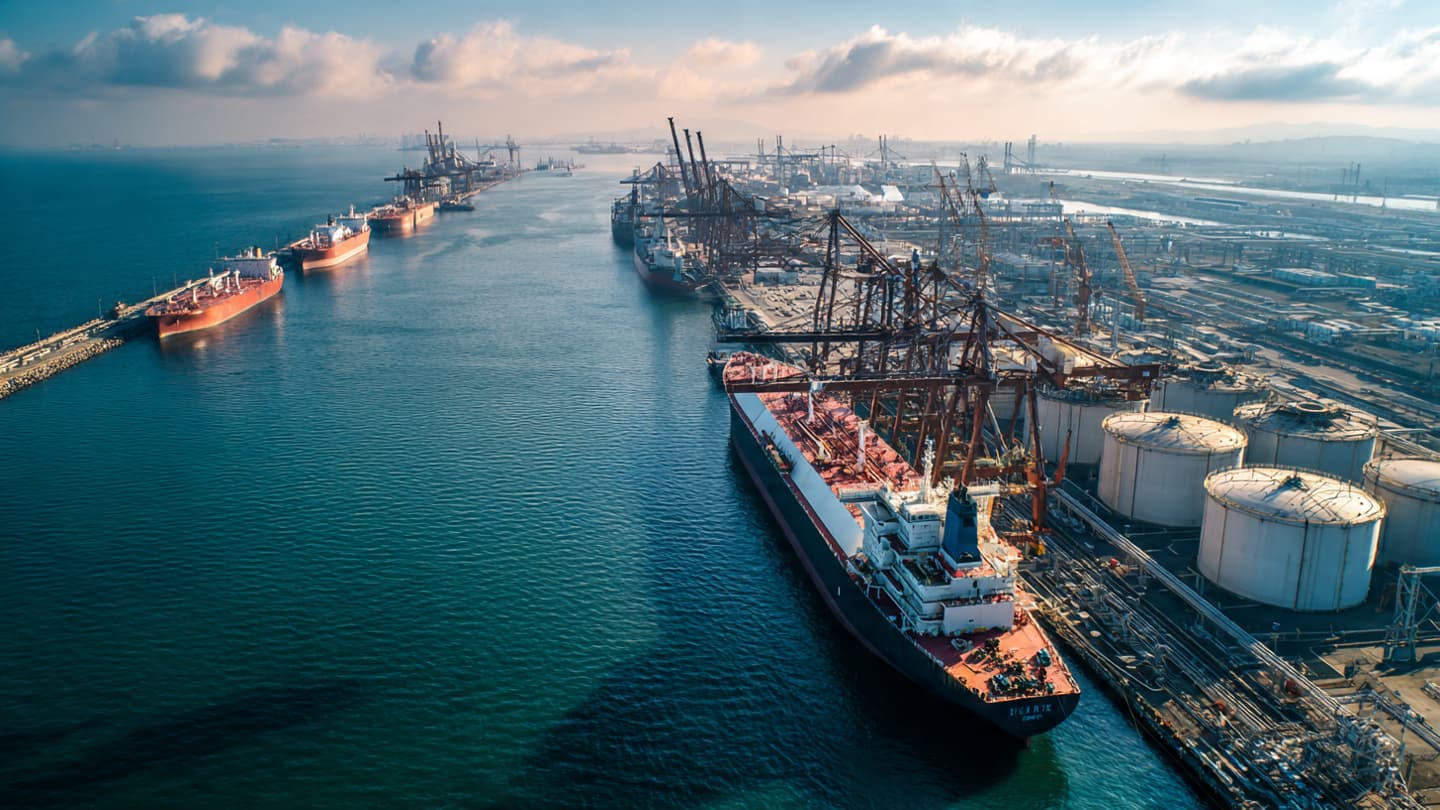
As policymakers and engineers engage in discussions about these potential solutions, it is essential to remember the human element involved in energy distribution. Energy does not exist in a vacuum; it is transported through ports, pipelines, and terminals, impacting the lives of workers and communities along its path. Any redesign of energy infrastructure will inevitably affect those who live and work in proximity to these systems.
The current moment also signifies a broader recalibration of global energy dependence. The past decade has highlighted the inseparable link between energy security and geopolitical stability. Supply chains that once appeared robust have revealed vulnerabilities, and infrastructure that was once considered peripheral has gained newfound importance.
Despite the urgency of these discussions, the process of transforming energy infrastructure is inherently slow. It involves feasibility studies, consultations with regional governments, environmental impact assessments, and negotiations over financing. While progress may seem gradual, the intent to reshape energy routes is quietly gaining momentum.
Ultimately, the European Union's initiative to assist in building or redirecting energy infrastructure in the Middle East represents a complex interplay of technical, political, and human factors. As these discussions evolve, they may lead to a new framework for energy distribution that prioritizes stability and resilience in a rapidly changing geopolitical landscape.
Published by Banx Network. This article is part of the Banx decentralized media programme, powered by the BXE token on the XRP Ledger.



