
Key Highlights
- Golfech nuclear reactor temporarily shut down due to high river temperatures.
- The shutdown reflects the impact of climate change on energy production.
- France's energy sector faces increasing challenges from extreme weather events.
During France's ongoing heatwave, the Golfech nuclear power station faced an unexpected challenge as unusually warm river temperatures led to a temporary shutdown of one of its reactors. This incident underscores the intricate relationship between energy production and environmental conditions, highlighting how extreme weather can disrupt even the most advanced energy systems.
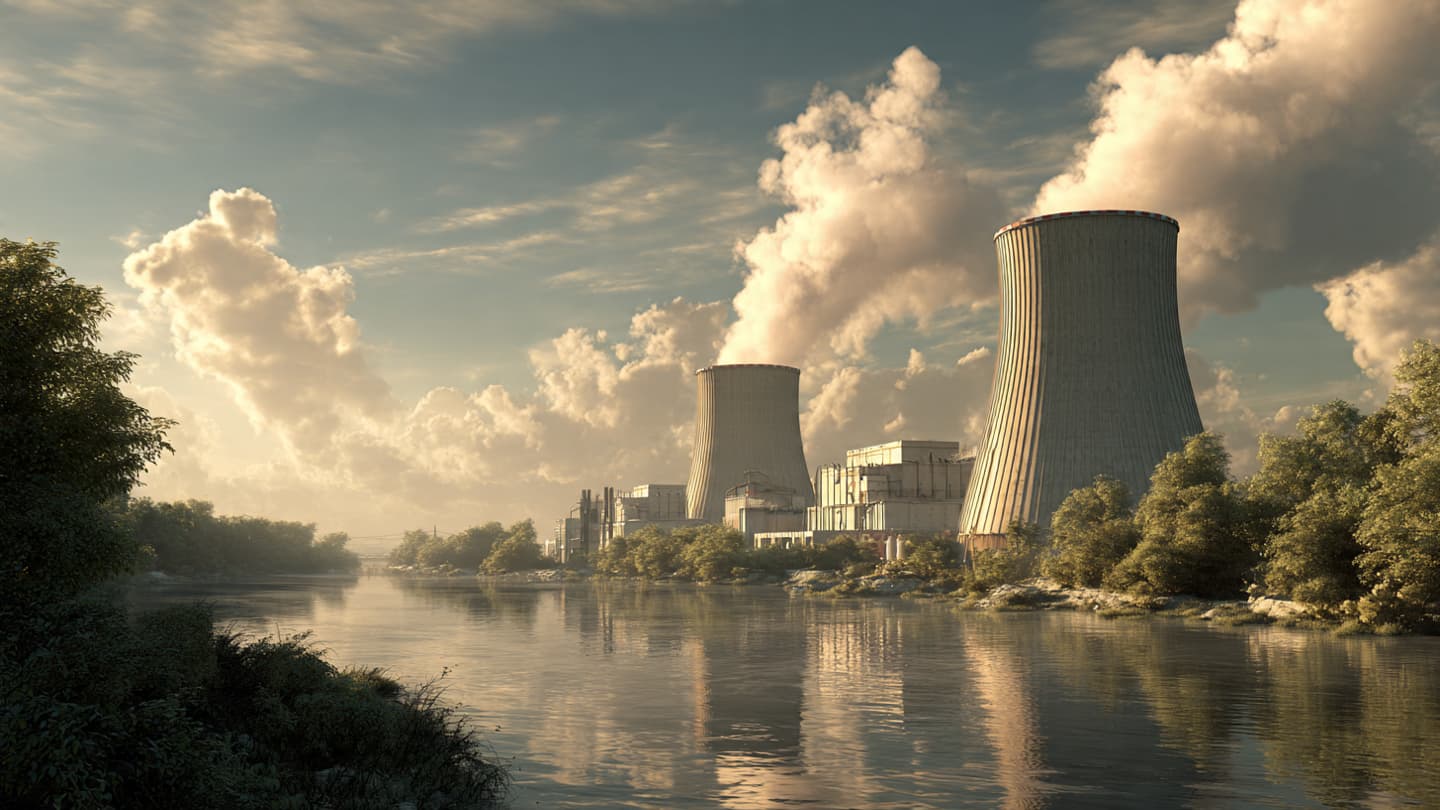
Nuclear power facilities, such as Golfech, rely on nearby rivers for cooling purposes. Under normal circumstances, these water bodies maintain stable temperatures that help regulate the reactors' operational heat. However, during periods of extreme heat, river temperatures can rise significantly, necessitating operational adjustments to ensure safety and environmental protection. In this case, authorities monitored the water temperatures closely and determined that precautionary measures were required to safeguard both the reactor and the surrounding ecosystem.
The decision to shut down the reactor was not taken lightly. Energy operators emphasized that it was a responsible response to the changing environmental conditions, adhering to established safety protocols. While the immediate impact on power generation was noted, officials reassured the public that the broader energy network could compensate for the loss, minimizing disruptions to consumers.
This incident serves as a stark reminder that energy infrastructure is not insulated from the effects of climate change. As global temperatures rise and weather patterns become more erratic, energy providers must increasingly consider how these environmental factors influence their operations. The Golfech shutdown illustrates the growing need for resilience and adaptability in energy systems worldwide, as operators grapple with the implications of climate trends on reliability and efficiency.
France's energy sector is one of the largest users of nuclear power globally, making events like the Golfech shutdown particularly significant. Policymakers, researchers, and energy experts are closely monitoring such developments to better understand how climate change may shape the future of energy production. The incident has sparked discussions about the importance of diversifying energy sources and enhancing infrastructure resilience to withstand extreme weather events.
Environmental specialists have also raised concerns about the broader ecological impacts of warmer river temperatures. Regulatory frameworks are in place to ensure that energy facilities operate in ways that minimize disruption to local ecosystems, especially during sensitive periods. As temperatures continue to rise, maintaining this balance becomes increasingly critical for both energy production and environmental stewardship.
While consumers may not immediately feel the effects of a single reactor shutdown, the event contributes to larger conversations about the future of energy systems in the face of climate change. Research institutions across Europe are actively studying how climate change may influence critical infrastructure over the coming decades, from energy facilities to transportation networks. These evaluations aim to develop strategies that ensure reliability under a wider range of environmental conditions than previously anticipated.
As France endures an exceptionally warm summer, the temporary pause at Golfech serves as a significant example of the intersection between climate and infrastructure. It highlights the ongoing effort to balance human needs with the realities of a changing natural world, emphasizing the importance of adaptation and responsible stewardship in the face of climate challenges.
Published by Banx Network. This article is part of the Banx decentralized media programme, powered by the BXE token on the XRP Ledger.



