
Key Highlights
- Oil prices are rising due to geopolitical tensions in the Gulf region.
- The Strait of Hormuz is a critical maritime corridor for global oil trade.
- Businesses are reassessing supply chains and logistics in response to increased costs.
Rising oil prices have once again become a focal point of concern for the global economy, particularly as tensions in the Gulf region escalate. The Strait of Hormuz, a vital maritime corridor through which a significant portion of the world's oil supply passes, has been under scrutiny as geopolitical uncertainties mount. This situation has led to increased oil prices, which have ripple effects across various sectors of the economy.
Energy markets are particularly sensitive to developments in the Gulf, with traders reacting to potential risks that could disrupt supply flows. Although oil shipments continue through major export routes, the mere uncertainty surrounding these routes can influence market behavior. Investors are increasingly pricing commodities based on not just current supply and demand but also future stability, leading to heightened caution in oil markets.
As oil prices approach the psychologically significant threshold of one hundred dollars per barrel, the implications extend far beyond just fuel costs. Higher energy prices impact transportation networks, manufacturing, agriculture, and logistics, all of which rely on affordable energy supplies. Consequently, fluctuations in oil prices can significantly influence a wide range of economic activities, from consumer spending to corporate profitability.
The strategic importance of the Strait of Hormuz cannot be overstated. A substantial share of globally traded oil traverses this narrow waterway, making it a critical point for international markets. Even minor uncertainties in this region can prompt shipping companies to reassess their operational strategies. Reports indicate that several shipping operators are increasing their monitoring efforts and exploring alternative routing options to mitigate risks associated with potential disruptions.
While alternative routes may enhance security, they often come with trade-offs, including longer transit times and increased operational costs. These adjustments can complicate delivery schedules and elevate freight expenses, posing additional challenges for international trade. Businesses that depend on global supply chains are now reevaluating their sourcing strategies and logistical arrangements to adapt to these changing conditions.
Manufacturers, in particular, face complex decisions as their production schedules hinge on timely deliveries of components and materials from various countries. Any delays or increases in transportation costs can disrupt inventory management and customer commitments, making reliability crucial in competitive markets. The lessons learned from past disruptions, such as those experienced during the pandemic, have prompted many organizations to diversify their suppliers and enhance their contingency planning.
Financial markets are closely monitoring these developments, understanding that sustained increases in energy costs can lead to inflationary pressures and affect consumer spending. However, analysts note that global trade systems have shown resilience in the face of previous disruptions, creating a balance between caution and confidence in market sentiment.
Governments are also taking note of the broader implications of rising oil prices. Energy-importing nations are assessing their supply security and the potential impact of higher transportation and fuel costs on economic growth. Policymakers are increasingly focusing on strategies to reduce vulnerability to external shocks, emphasizing diversification and infrastructure investment.
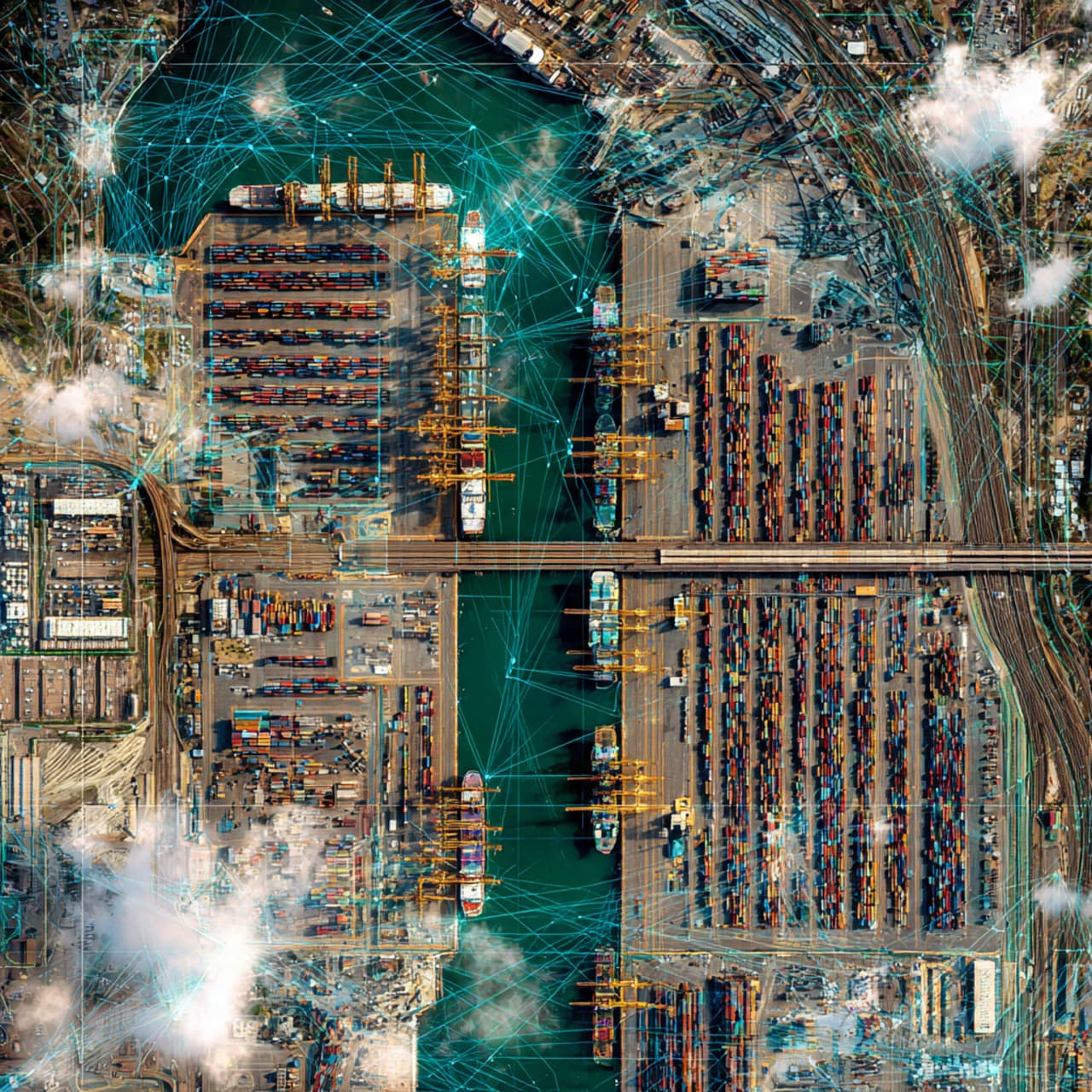
In this evolving landscape, technology and data analytics are playing a crucial role in helping companies navigate the complexities of rising oil prices. Advanced logistics systems provide real-time visibility into shipments, enabling organizations to identify potential bottlenecks and respond swiftly to changing conditions. As the global economy adapts to these challenges, the interplay between energy markets and economic stability remains a critical area of focus for businesses and governments alike.
Published by Banx Network. This article is part of the Banx decentralized media programme, powered by the BXE token on the XRP Ledger.



